China is opening a possible path back into its entertainment market for South Korean films, video games and music, nearly a decade after a dispute over an American missile defense system disrupted cultural ties between the two countries. A new trade agreement could ease longstanding barriers, although Beijing has yet to guarantee the return of K-pop concerts.
The restrictions emerged after South Korea agreed in 2016 to deploy the U.S. Terminal High Altitude Area Defense system, known as THAAD, to protect against North Korean missile threats. China opposed the deployment over security concerns, and South Korean entertainment subsequently faced restrictions in the Chinese market. The dispute showed how a disagreement involving American military technology could affect businesses operating in China.
The latest agreement also offers a point of interest for Hollywood studios and American video game publishers, which face China’s strict content approval requirements. Although the deal applies to South Korean businesses rather than U.S. companies, its implementation could provide an indication of Beijing’s willingness to ease barriers facing foreign entertainment producers.
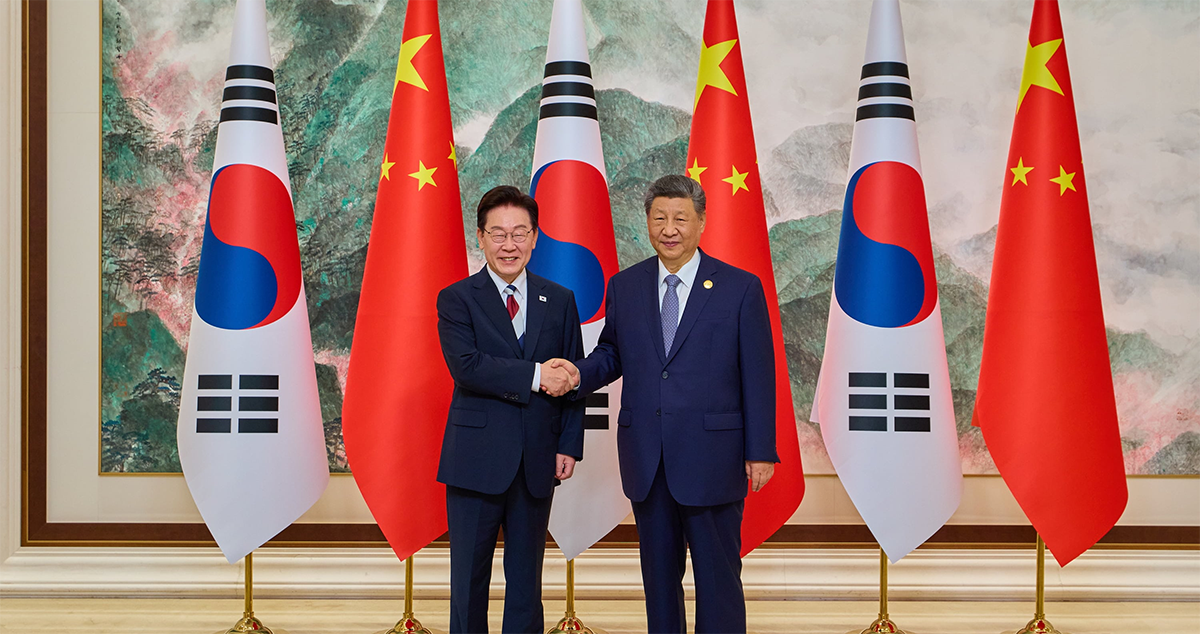
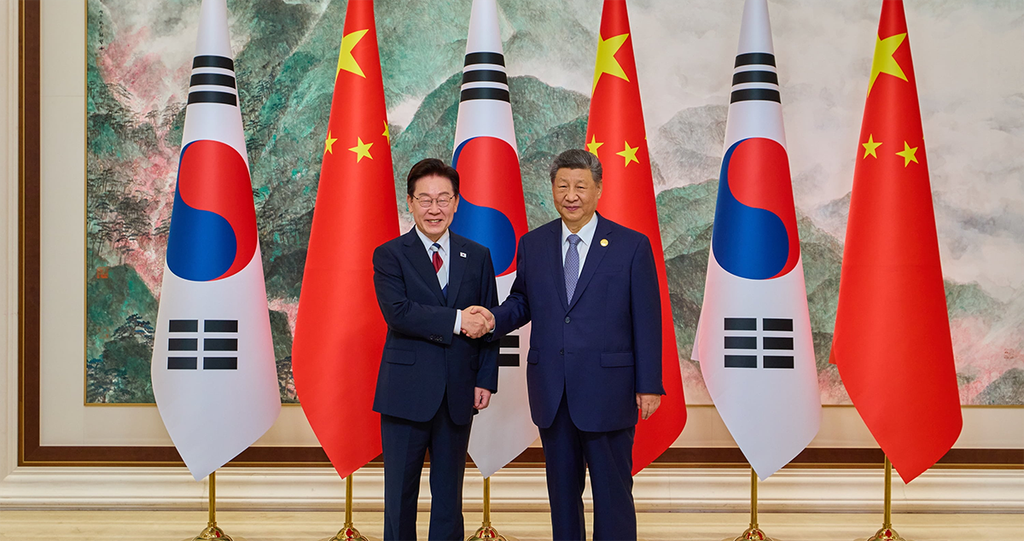
South Korean President Lee Jae Myung and Chinese President Xi Jinping announced the substantial conclusion of negotiations on services and investment under their existing free trade agreement during a November 18 summit in Shenzhen, China, held alongside the Asia Pacific Economic Cooperation summit.
The agreement follows more than eight years of negotiations aimed at expanding economic cooperation beyond traditional merchandise trade. Talks accelerated this year after the two governments agreed to pursue progress, culminating in commitments to improve access to China’s entertainment, tourism, legal and financial services markets.
Under the agreement, China will grant South Korean films and online games most favored nation treatment, ensuring they receive terms no less favorable than those offered to comparable foreign businesses. The commitment also covers government review procedures, which determine whether foreign films and games can enter the Chinese market.
The two governments also agreed to expand joint productions beyond films to other types of programming, creating additional opportunities for collaboration between their entertainment industries.
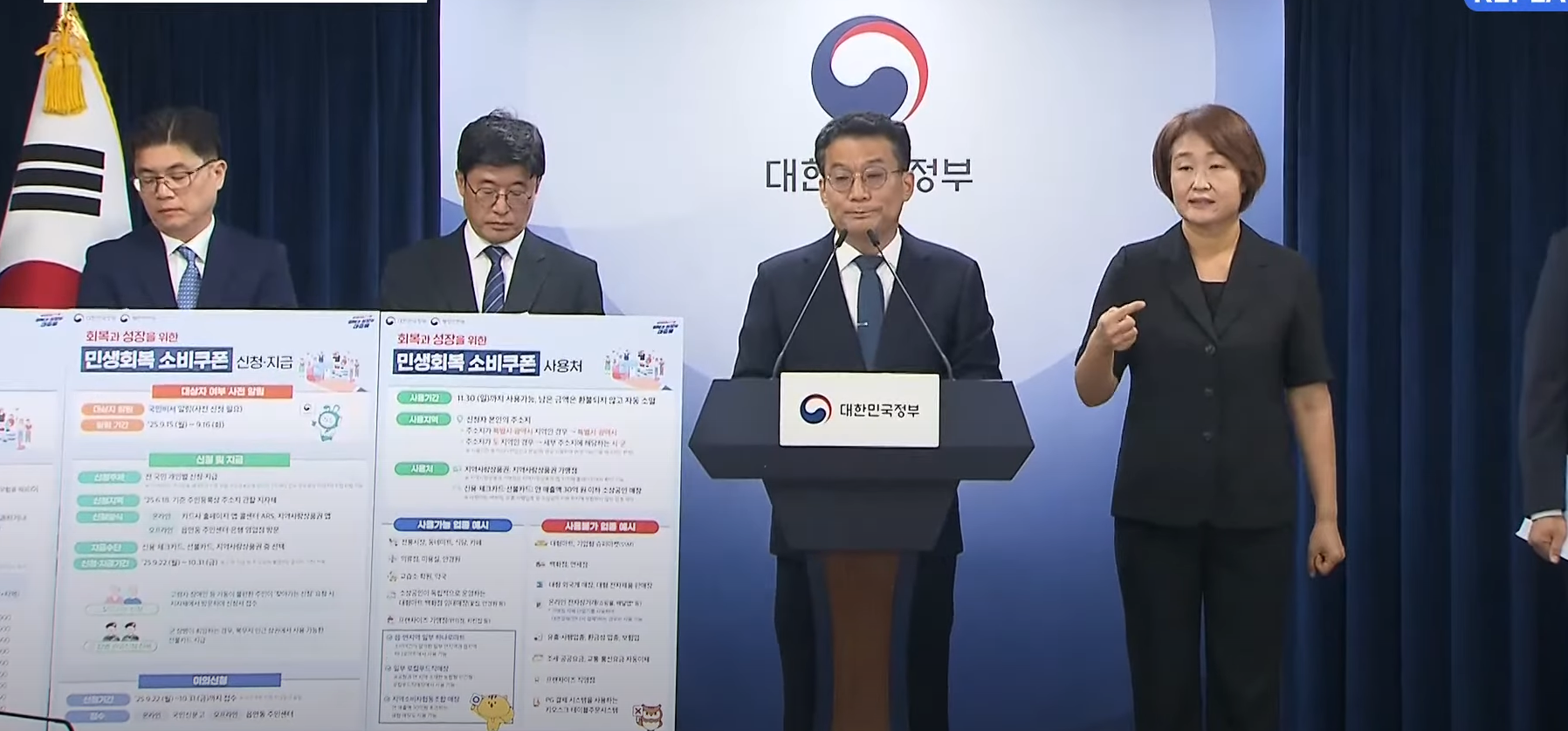
Ha Joon-kyung, South Korea’s presidential policy chief, said during a November 19 briefing in Shenzhen that the agreement establishes a stronger institutional foundation for bilateral economic cooperation.
Ha explained that China accounts for a much smaller share of South Korea’s services trade than its merchandise trade, leaving considerable room for expansion. The agreement is intended to help companies invest, establish operations and provide services across borders under clearer trade arrangements.
The entertainment provisions have generated particular interest in South Korea, where the restrictions on Korean popular culture are widely known as the Korean Wave ban.
A senior official at South Korea’s presidential office said China’s commitment to treating Korean content on equal terms with comparable foreign productions represents meaningful progress toward removing barriers that have affected the industry for years.
However, one of the most closely watched issues remains unresolved. The agreement does not guarantee that South Korean musicians will be allowed to hold concerts in China.
The official explained that Chinese authorities treat live performances differently from films and digital content because concerts involve large public gatherings. Differences in how the two countries approach such events have complicated efforts to secure performance approvals.
The agreement does not require either government to authorize concerts by artists from the other country, but it also contains no provision prohibiting those performances.
South Korean officials said the negotiations had established additional channels for discussing concert approvals with Chinese authorities, increasing opportunities to pursue the return of Korean performers to Chinese stages.
The distinction is important for entertainment companies considering expansion into China. Improved regulatory treatment could make it easier for Korean film producers and game developers to pursue opportunities in the market, but it does not eliminate China’s approval requirements or guarantee that individual projects will be authorized.
The agreement represents a potential shift in economic relations between two countries whose cultural ties were strained by a dispute rooted in U.S. security policy. Its commercial significance will depend on whether China follows its commitments with approvals for Korean films, games and eventually live concerts, determining how far the new trade framework translates into actual access to Chinese consumers.