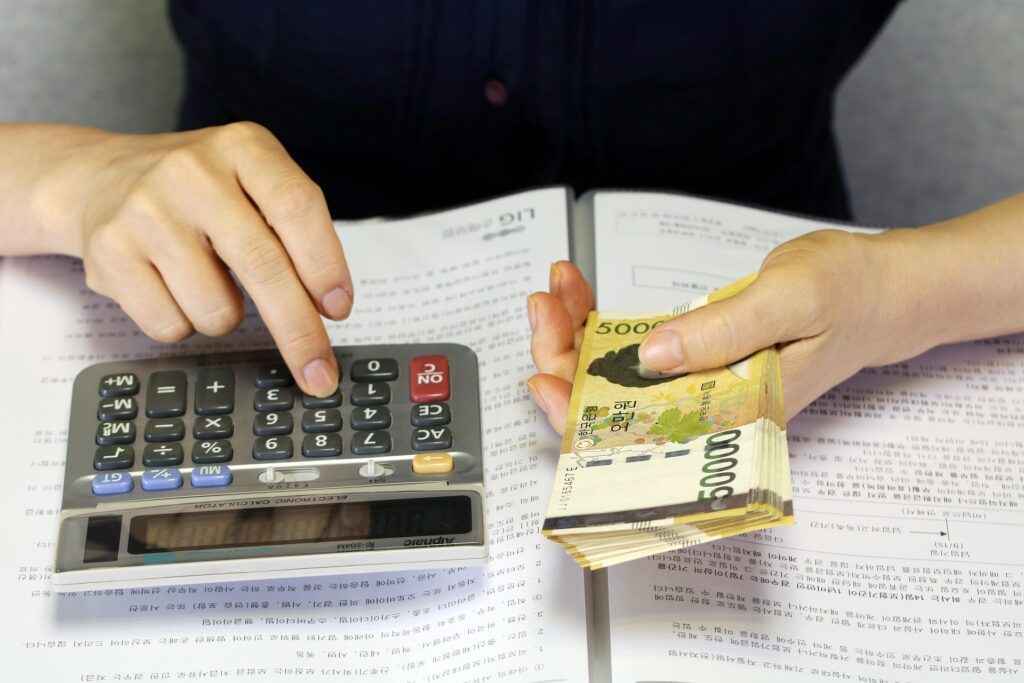
South Koreans are borrowing more money even as stock market volatility and rising living costs put pressure on household finances. Outstanding personal credit lines at the country’s five largest banks have climbed to $33 billion, their highest level in more than four years, raising questions about whether consumers are taking on debt to chase investment gains or simply make ends meet.
The surge reveals a growing tension in South Korea’s economy. Some investors are borrowing in hopes of profiting from a stock market rebound, while other households may be turning to credit to cover everyday expenses. Both pressures are emerging as banks prepare to tighten lending toward the end of the year.
The distinction matters to Wall Street investors monitoring South Korean equities and American companies assessing consumer demand in one of Asia’s major economies. Borrowing driven by stock purchases could signal continued investor appetite for risk despite market volatility. Borrowing driven by living expenses, however, could point to mounting financial pressure on households and potential weakness in consumer spending.
According to banking industry figures released November 15, outstanding revolving credit balances at KB Kookmin, Shinhan, Hana, Woori and NH NongHyup, five major South Korean commercial banks, reached $33 billion as of November 12.
The figure was the highest since August 2022 and represented a $4 billion increase from $29 billion at the end of last year.
The pace of borrowing has accelerated. During the first 12 days of November, outstanding balances increased by $500 million, surpassing the $457 million rise recorded throughout October.
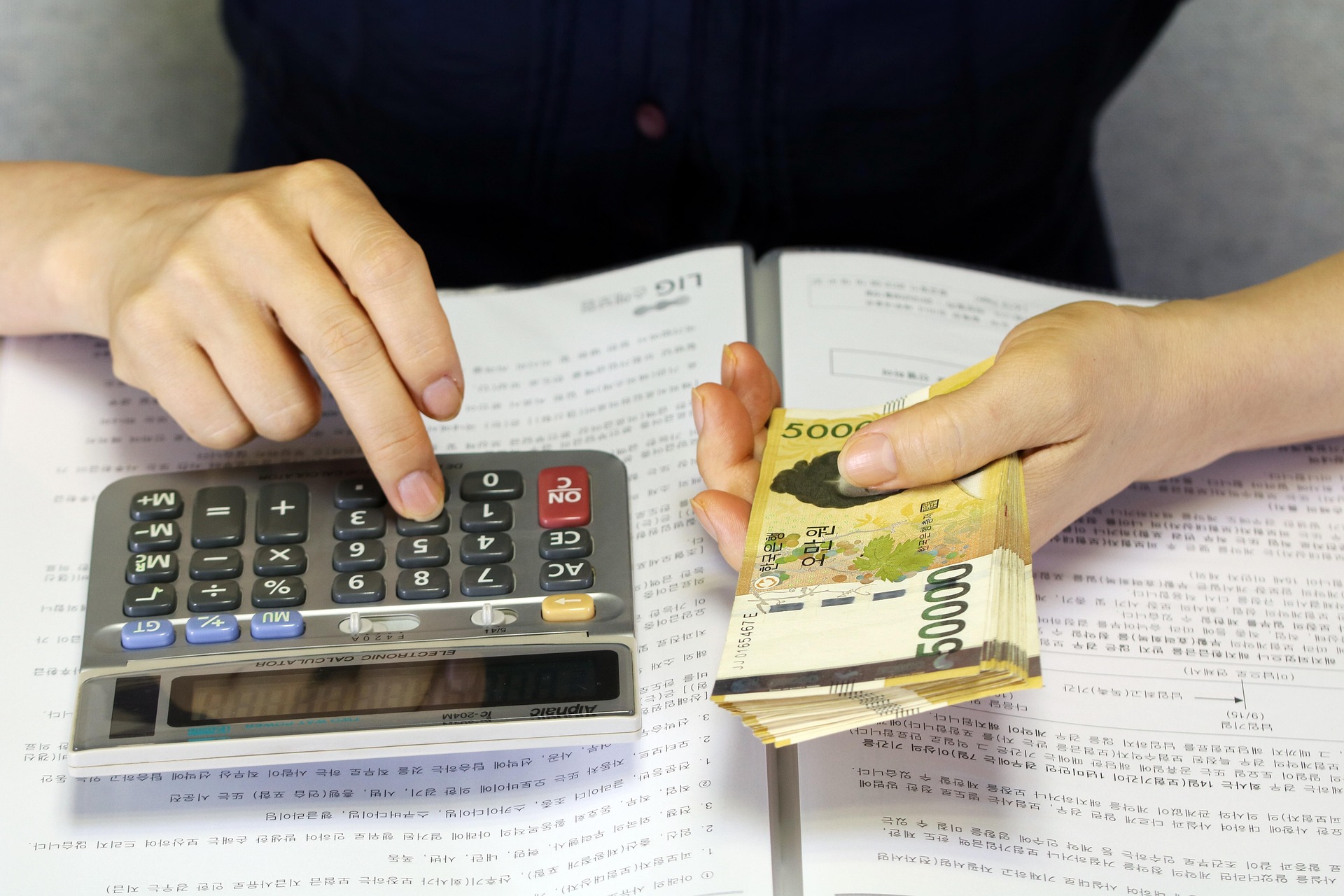
Much of the borrowing comes through financial products known locally as minus accounts, which function similarly to revolving personal lines of credit in the United States. Customers receive a predetermined borrowing limit and can withdraw money whenever needed without applying for a new loan.
The accounts can be used to purchase stocks, pay household bills or cover other expenses, making it difficult to determine exactly where the borrowed money is going.
Customers are also using a larger share of their available credit. At some banks, utilization rates have approached 50%, suggesting borrowers are drawing more heavily on existing credit facilities.
Stock market investment is one possible explanation. Despite continued caution among some investors about returning to South Korean equities, others are seeking opportunities to profit from a recovery in share prices. Market volatility has not eliminated demand for borrowed investment funds.
The increase also raises a question about household finances. When stock markets fluctuate and living costs rise, investors may face competing demands on their cash. Some could be reluctant to sell investments while borrowing to meet other financial obligations, although the available banking figures do not establish whether that behavior is contributing to the recent surge.
Seasonal lending restrictions offer another explanation. South Korean banks typically strengthen household loan controls near the end of the year to meet annual lending targets, making new borrowing more difficult. Some customers consequently secure credit lines in advance to ensure they can access money later.
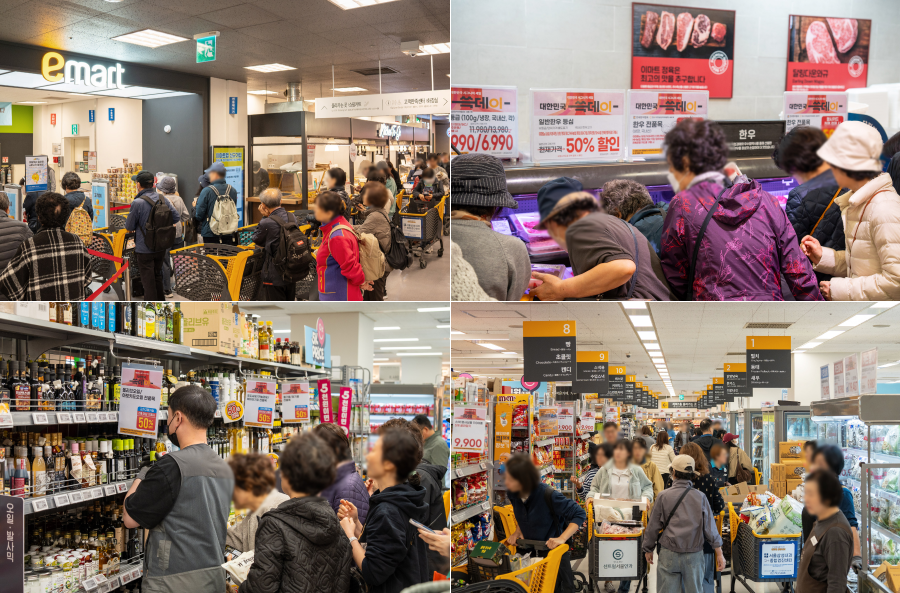
Inflation may also be contributing to the increase. Higher everyday expenses can create additional demand for short term financing, particularly among households facing pressure on their budgets.
A banking industry official said increased stock market volatility and rising living costs may both be behind the recent growth in credit balances.
The official cautioned that revolving credit lines serve multiple purposes, including investments and household spending, making it difficult to attribute the surge to any single factor.
The $33 billion balance therefore presents a complicated picture of South Korea’s financial landscape. Rising borrowing could reflect confidence among investors anticipating a stock market recovery, greater dependence on debt among households struggling with expenses, or both.
The unanswered question is how much of South Korea’s growing demand for credit reflects investment opportunity and how much reflects financial necessity.
That distinction could prove important in evaluating the strength of the country’s stock market and the financial resilience of its consumers.