
The global artificial intelligence boom is generating enormous profits for South Korea’s semiconductor industry and delivering a windfall in government tax revenue. Yet the country’s economic success has a troubling contradiction. While technology companies prosper, many ordinary households continue to struggle with housing costs, employment uncertainty and financial pressures.
South Korean President Lee Jae-myung is preparing to address that divide with a record $615 billion budget for 2027, an ambitious spending proposal that seeks to turn the semiconductor industry’s success into broader economic growth. The plan calls for major investments in AI and emerging technologies alongside expanded assistance for households that have seen little benefit from the industry’s boom.
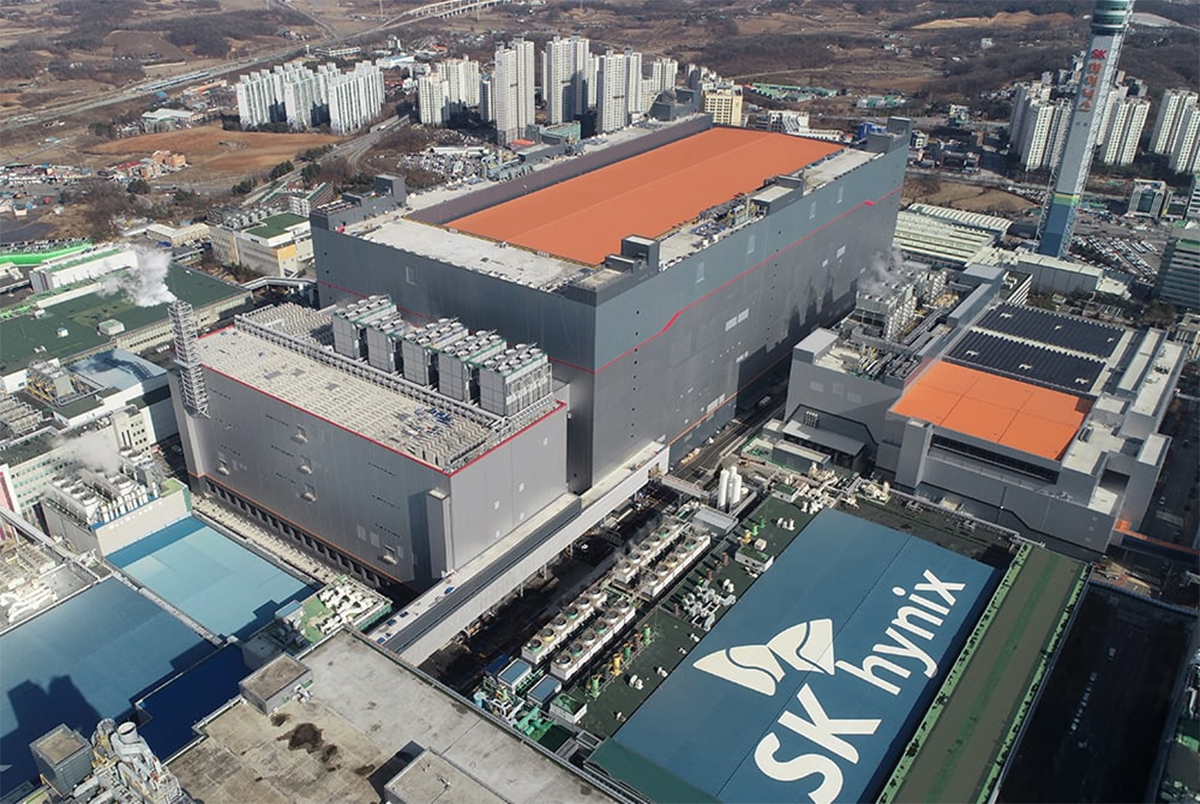
The stakes reach into the global technology supply chain. SK hynix, a South Korean semiconductor manufacturer specializing in advanced memory chips, is a major partner of Nvidia, the American company whose processors power AI systems worldwide. Surging investment in AI infrastructure has strengthened South Korea’s chip industry, helping generate the tax revenue behind the government’s expanding financial capacity. The proposed budget raises a consequential question about how countries benefiting from the AI boom should use their newfound wealth.
President Lee Jae-myung is scheduled to present the spending plan to South Korea’s National Assembly on November 2. The proposal represents a 12.8% increase, or approximately $70 billion, over this year’s budget, making it the largest in the country’s history and the first developed entirely under his administration.
The scale of the increase reflects the government’s belief that strong performance in one industry is insufficient to sustain the wider economy. Despite the semiconductor boom, growth has not translated into comparable financial improvements for many households, leaving the administration under pressure to address widening economic inequality.
The government intends to tackle the problem on two fronts. It plans to accelerate investment in AI, major industrial projects and emerging technologies while directing additional resources toward housing, employment and financial assistance for lower income households.
Support for younger generations is another priority, alongside public safety and national security. The administration hopes to establish a pattern in which economic growth produces additional government revenue that can be reinvested in industries and social programs.
But rather than spending the entire semiconductor windfall immediately, the government also wants to preserve a substantial portion for the future.
A $121 billion Future Response Fund is among the proposal’s most significant measures. The fund would draw on increased tax revenue associated with the semiconductor boom to finance future growth initiatives and prepare for economic crises.
The idea reflects a vulnerability in South Korea’s current economic strength. Semiconductor manufacturers are benefiting from extraordinary global demand, but the industry is historically sensitive to changes in investment and market conditions. Revenue that appears abundant during an industry expansion may become less reliable when demand weakens.
Preserving part of today’s gains would give the government financial resources to support future industries without depending entirely on continued growth in semiconductor tax receipts.
The proposal, however, has triggered a political confrontation over whether South Korea should prioritize new investment or reduce its financial obligations.
The main opposition People Power Party has criticized the budget as excessive, arguing that the government should eliminate unnecessary spending rather than expand its financial commitments. The party plans to seek approximately $22 billion in cuts and redirect resources toward immediate household assistance.
The disagreement is particularly sharp over the Future Response Fund. President Lee Jae-myung’s ruling Democratic Party supports preserving the fund to secure financing for future investments, while the opposition wants approximately $77 billion in available reserves used to reduce national debt.
The dispute has also exposed concerns about how the new funding arrangement could affect regional governments. Establishing the fund may reduce transfers from the central government to local administrations by more than $22 billion, potentially constraining their ability to finance public services and development projects.
That possibility has raised objections across party lines, complicating negotiations over the government’s broader spending priorities.
President Lee Jae-myung is expected to urge lawmakers to approve the budget by the December 2 statutory deadline. The parliamentary review will determine how much of the semiconductor windfall is directed toward industrial investment, household assistance, debt reduction and regional funding.
The decisions could also shape South Korea’s position in the global AI economy. As technology companies continue investing in advanced computing infrastructure, the country’s semiconductor manufacturers remain important suppliers of the memory components needed to operate increasingly powerful systems. Government investment in AI and related industries could further develop South Korea’s technological capabilities, although the commercial effects of the proposed spending remain uncertain.
The more immediate problem is how to ensure that industrial success translates into improvements across the wider economy. Strong semiconductor exports and higher corporate profits have expanded the government’s financial resources, but those gains have not eliminated the pressures facing households.
South Korea’s record budget is an attempt to address that imbalance while preparing for a future in which the current semiconductor boom may not continue indefinitely.
The central debate is no longer simply how much money the country can earn from the global AI industry. It is how much of that wealth should be spent today, how much should finance the next generation of technologies and how much should be preserved for an uncertain economic future.