The global boom in obesity drugs is exposing a divide in how governments control the cost of medicine. In Japan, public health insurance helps regulate the price of Eli Lilly’s Mounjaro. In neighboring South Korea, patients pay substantially more for the American company’s drug, and authorities are preventing them from bringing home cheaper supplies legally purchased abroad.
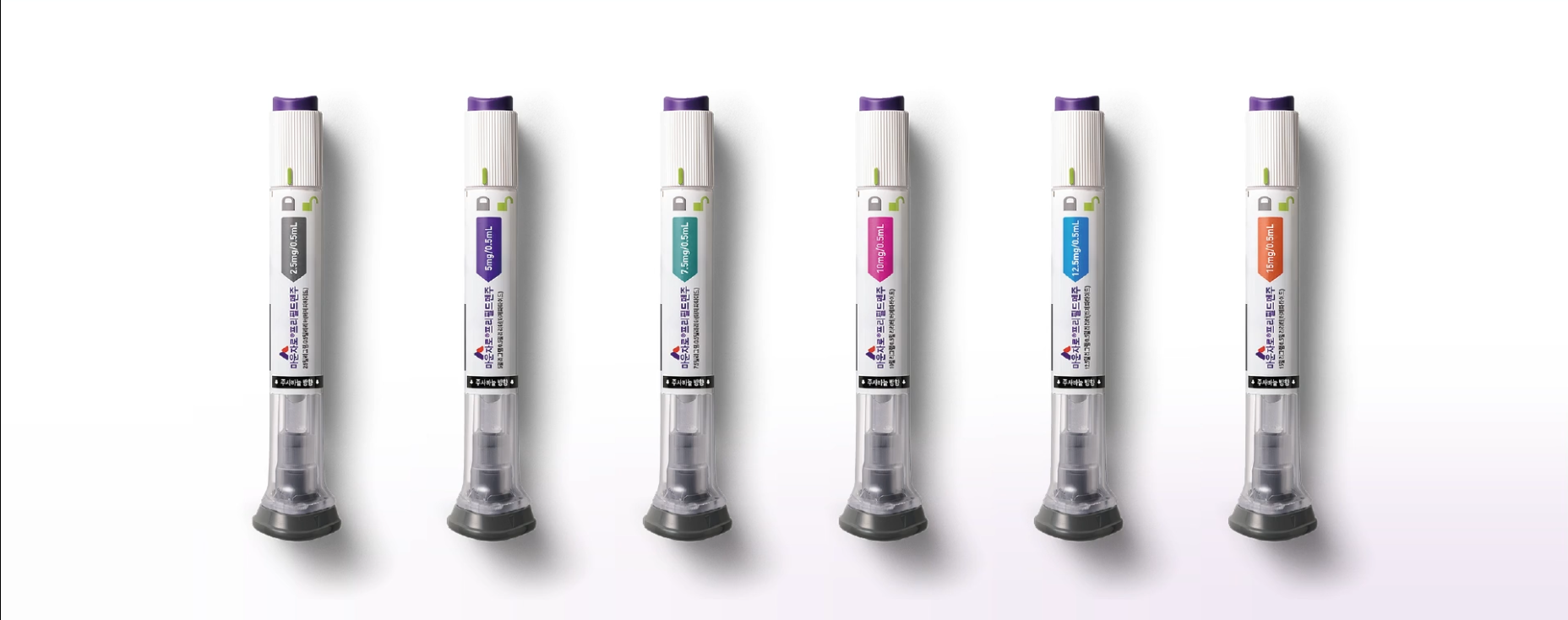
A four week supply of Mounjaro at the starting dose of 2.5 milligrams costs about $210 to $260 in South Korea, compared with $60 to $90 at some Japanese medical clinics. The difference has prompted South Koreans to travel to Japan for prescriptions, creating an unusual dispute over access to a medicine already available in their own country.
The controversy reflects an affordability problem familiar to the American pharmaceutical market. A KFF survey published in November 2025 found that 56% of U.S. adults who had used GLP-1 medications reported difficulty affording them. About 14% said they had stopped taking the drugs because of their cost. The experience in Asia illustrates how insurance decisions and national pricing policies can shape access to medicines developed by U.S. pharmaceutical companies.
Eli Lilly markets Mounjaro in the United States for Type 2 diabetes and sells the same active ingredient, tirzepatide, under the Zepbound brand for obesity treatment. Both belong to a generation of medicines that have transformed treatment options for diabetes and weight management, while raising questions about the cost of sustained therapy.
Japan has addressed part of that challenge by including Mounjaro in its national health insurance program for Type 2 diabetes. The arrangement allows authorities to manage the drug’s reimbursed price. Japan reduced that price by 25% in August following a sharp increase in sales.
South Korea has taken a different approach despite operating its own national health insurance system. Mounjaro is not covered even when prescribed for diabetes, leaving the medication outside government reimbursement price negotiations. Patients consequently face the full cost of treatment.
The difference becomes significant over time. Obesity medications often require treatment lasting a year or longer, while patients who discontinue therapy can regain weight. A major Mounjaro clinical trial followed patients for 72 weeks, illustrating the extended periods over which treatment effectiveness has been studied.
South Korean patients seeking a way around those costs have increasingly looked to Japan. The practice has acquired the nickname “Sushijaro,” a combination of sushi and Mounjaro, reflecting the popularity of obtaining prescriptions during trips to the neighboring country.
But a cheaper prescription does not guarantee that patients can take the medicine home.
South Korea’s Ministry of Food and Drug Safety, the country’s pharmaceutical regulator, prohibits travelers from bringing Mounjaro into the country even when a licensed physician abroad prescribed it and an authorized pharmacy supplied it.
The restriction originated in efforts to stop unauthorized overseas pharmaceutical sales. In October 2024, regulators placed Mounjaro and other obesity medications on a list intended to block illegal online drug purchases.
Customs authorities apply the same restrictions to medication carried personally by travelers. That means a patient returning from Japan with genuine Mounjaro and a valid prescription can face the same import barrier as someone ordering medication through an unauthorized online seller.
The restrictions can also affect international students and foreign visitors who carry prescribed drugs into South Korea. Even patients returning with medicine originally prescribed in South Korea can encounter customs difficulties.
Regulators argue that medicines obtained through overseas online channels may be difficult to verify for safety and quality. Patients may also lack access to compensation, product recalls and other legal protections if something goes wrong.
Critics do not dispute the need to prevent counterfeit medicines and unauthorized pharmaceutical sales. Their objection concerns the application of those restrictions to genuine drugs obtained through legitimate medical care. A prescription issued by a licensed doctor abroad, they argue, should not automatically be treated as equivalent to an illegal online purchase.
The dispute reached South Korea’s parliament on October 22. Lee Junseok, a lawmaker from the Reform Party, called on customs authorities to distinguish between unauthorized imports and patients carrying medication supported by valid prescriptions or other medical documentation.
Lee Jongwook, commissioner of the Korea Customs Service, said officials were enforcing restrictions based on notifications from the drug regulator. He agreed to consult the ministry about allowing imports for legitimate medical treatment.
The controversy has also renewed calls to reconsider how South Korea pays for obesity care. Medical specialists have urged authorities to recognize severe obesity within the national insurance system and reduce treatment expenses for patients with substantial medical needs, particularly those who also have diabetes.
The contrasting experiences of Japan and South Korea illustrate a challenge facing pharmaceutical companies as demand for obesity drugs expands internationally. A medicine’s commercial reach depends not only on patient demand but also on whether public insurance programs cover it and how governments regulate its price and distribution.
Allowing patients to carry legally prescribed Mounjaro across the border could resolve part of South Korea’s dispute. But the price difference that sent them abroad would remain, leaving unresolved the larger question of how the country’s healthcare system will make long term obesity treatment affordable.