North American automakers are raising the bar for suppliers as artificial intelligence, factory automation and early-stage engineering collaboration become increasingly important in sourcing decisions. The shift creates opportunities for South Korean auto parts manufacturers while giving U.S. automakers and investors new options for strengthening supply-chain resilience and accessing advanced manufacturing capabilities.
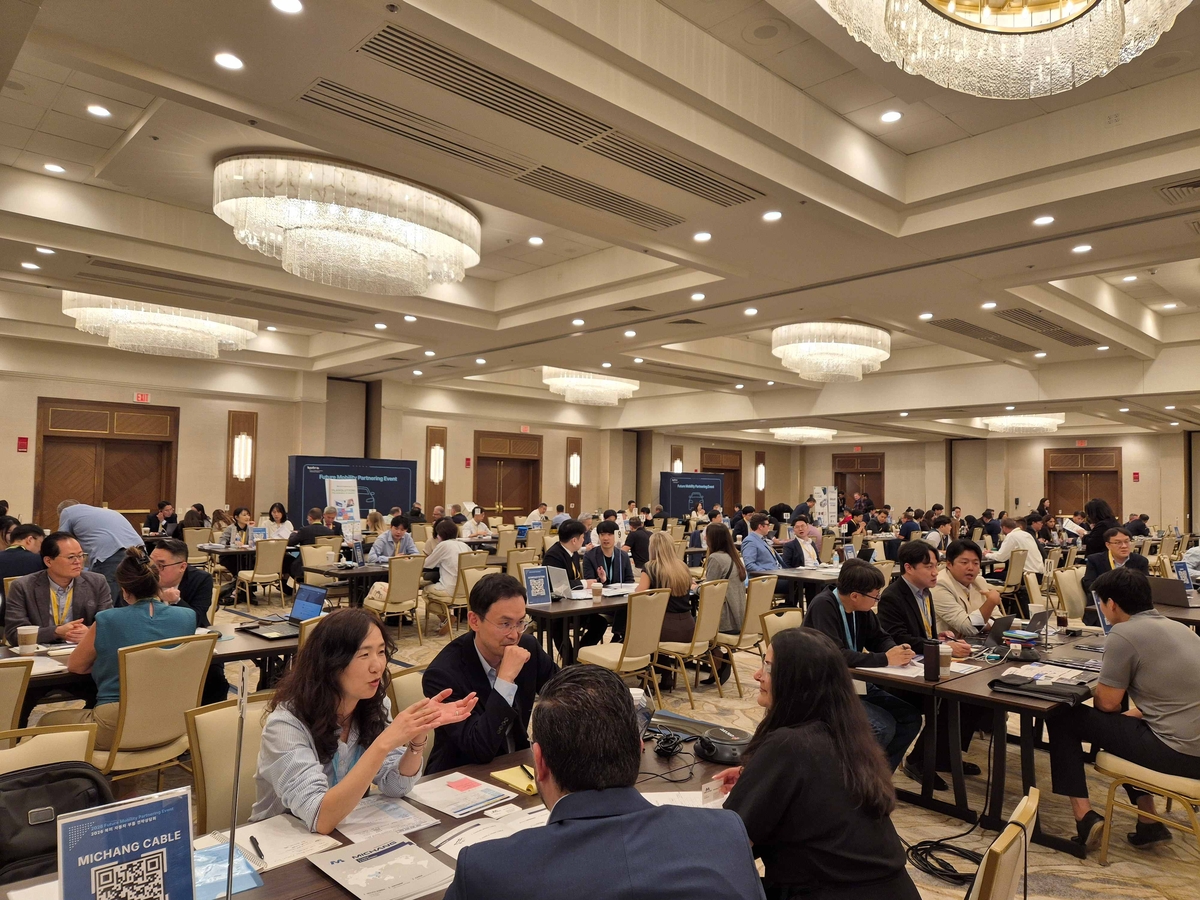
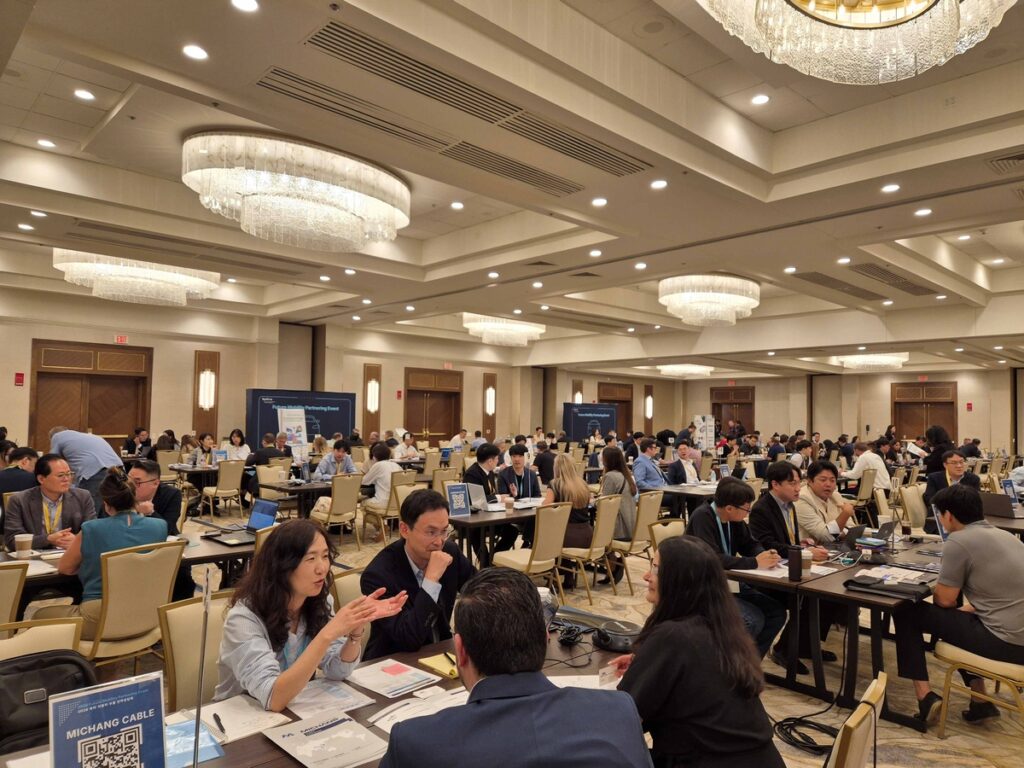
On October 13, the Korea Trade-Investment Promotion Agency (KOTRA) organized a supply-chain matchmaking event in Detroit, where 41 South Korean auto parts makers held 198 one-on-one export consultations with 32 companies, including General Motors, Ford, Stellantis and major Tier 1 suppliers. KOTRA announced the results on October 18.
The discussions underscored how procurement priorities are evolving beyond component prices and traditional manufacturing expertise. GM identified artificial intelligence adoption and factory automation as key criteria for selecting new suppliers, while Stellantis sought partners willing to collaborate from the earliest stages of product development.
Demand was concentrated in metalworking components, including stamped, forged and cast parts; powertrain systems, including drivetrain components and electric drive shafts; body and chassis components; and electrical parts such as wiring harnesses, connectors and busbars.
For U.S. automakers, expanding the supplier base could create additional sourcing options as vehicle architectures and production processes evolve. For South Korean manufacturers, the opportunity will depend on their ability to meet increasingly demanding technical requirements, integrate into automakers’ development cycles and establish durable commercial relationships.
Ten regional suppliers, including seven from South Gyeongsang Province and three from Daejeon, are extending their outreach through trade missions to Atlanta and Toronto following the Detroit event.
KOTRA President Kang Kyung-sung said shifting global supply chains and competition for technological leadership could create opportunities for South Korea’s established export industries. The agency plans to strengthen support for regional small and midsize companies seeking to enter global supply networks and convert business consultations into actual export contracts.