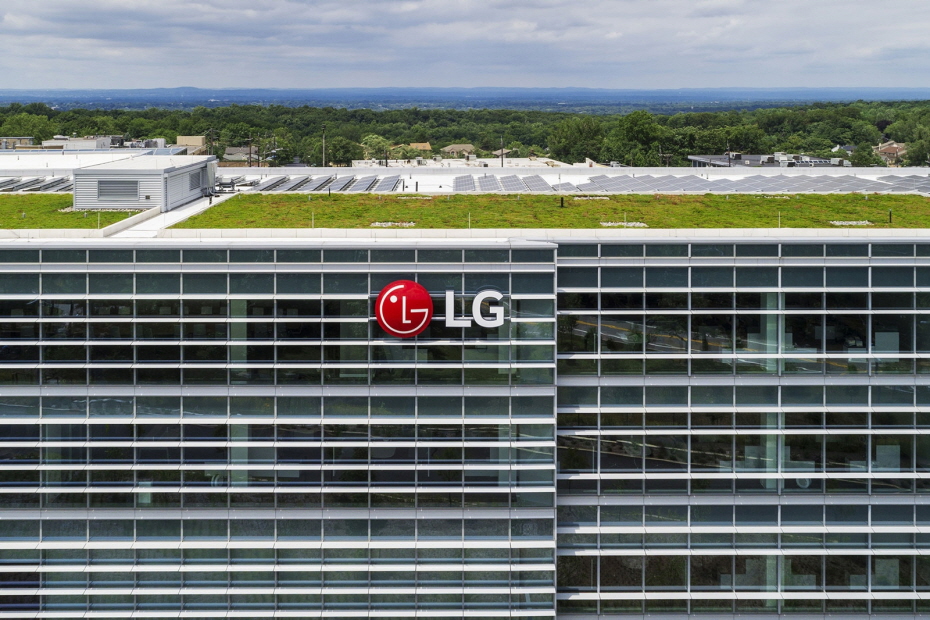
LG Electronics reported record operating profit for the first nine months of 2026, surpassing $3 billion for the first time as stronger appliance sales, improving television profitability and growth in its automotive components business helped the South Korean electronics giant weather rising costs and global economic uncertainty.
The company said Wednesday that third quarter operating profit rose 13.5% from a year earlier to $580 million, while revenue climbed 8.9% to $18 billion. The earnings increase, however, fell short of market expectations of $720 million, reflecting weaker profitability at its electronics components subsidiary, LG Innotek.
The results offer a mixed picture of a manufacturer whose televisions, refrigerators and washing machines are widely sold in the U.S. LG’s core consumer businesses continue to generate substantial profits, while its growing automotive and commercial equipment operations are becoming increasingly important to earnings. That financial strength is also supporting investments in data center cooling systems and robotics as the company seeks opportunities beyond traditional home electronics.
For the January through September period, LG recorded $52 billion in revenue, up 9.2% from a year earlier, while operating profit surged 55.9% to more than $3 billion. Both figures marked records for the first nine months of a year.
The performance came despite uncertainty surrounding the Middle East conflict, rising logistics expenses and higher raw material costs. LG attributed its improved profitability to stronger sales, manufacturing efficiencies and companywide efforts to reduce expenses.
Its home appliance division remained a major contributor to earnings. Sales benefited from demand across premium and more affordable product categories, while expanding online distribution, appliance subscription services and business customers provided additional growth.
The company also maintained a solid profit structure by improving manufacturing efficiency and streamlining logistics operations.
LG’s television business showed significant improvement from a year earlier. Higher sales of premium OLED televisions and stronger demand in emerging markets helped lift revenue, while a greater proportion of premium products and more efficient spending supported profitability.
The recovery is particularly important to LG’s earnings performance because it demonstrates the company’s ability to improve margins through product mix and cost management, rather than relying entirely on higher sales volumes.
The automotive components division also delivered steady growth as existing orders were converted into revenue. Rising sales of premium vehicle infotainment systems strengthened the division’s position as a reliable source of earnings from corporate customers.
The business has become an important part of LG’s broader effort to diversify revenue beyond household appliances and televisions, markets where consumer spending and competitive pricing can influence profitability.
Still, LG’s quarterly results revealed pressure elsewhere in its operations.
LG Innotek, an electronics components manufacturer and consolidated subsidiary of LG Electronics, faced declining profitability partly because of higher production costs.
Kiwoom Securities, a South Korean brokerage, projected LG Innotek’s third quarter operating profit at $68 million, down from $152 million a year earlier. The brokerage attributed the expected decline partly to products manufactured using raw materials purchased during the second quarter, when unfavorable exchange rates increased procurement costs.
The subsidiary’s weakness contributed to LG Electronics missing the broader market’s quarterly earnings expectations despite improvement in several of its major businesses.
Meanwhile, LG’s heating, ventilation and air conditioning division maintained revenue near the previous year’s level as overseas sales expanded. Operating profitability declined slightly because of investments in additional manufacturing capacity and hiring for emerging businesses.
Those expenses are part of LG’s longer term effort to expand into industries offering new sources of revenue.
The company is increasing production capacity for data center cooling equipment as demand for artificial intelligence infrastructure accelerates. AI servers generate substantial heat, creating demand for systems capable of managing temperatures in large computing facilities.
LG is upgrading manufacturing facilities in South Korea and overseas to meet that demand, building on its existing commercial heating and cooling operations.
The company is also expanding its robotics investments. LG operates a large robotics data facility in Seoul and is developing manufacturing infrastructure for actuators, essential components that enable robotic movement, at its production complex in Changwon, South Korea.
Although these investments could eventually diversify LG’s earnings, the company’s current profitability remains anchored in its established appliance, television and automotive businesses.
The record nine month results demonstrate the strength of those operations, even as the third quarter earnings miss highlights continuing cost pressures and uneven performance among subsidiaries.
LG plans to use the cash generated by its core businesses to finance further investments in AI infrastructure and robotics, placing greater emphasis on industrial technology while maintaining the consumer electronics operations that remain central to its financial performance.