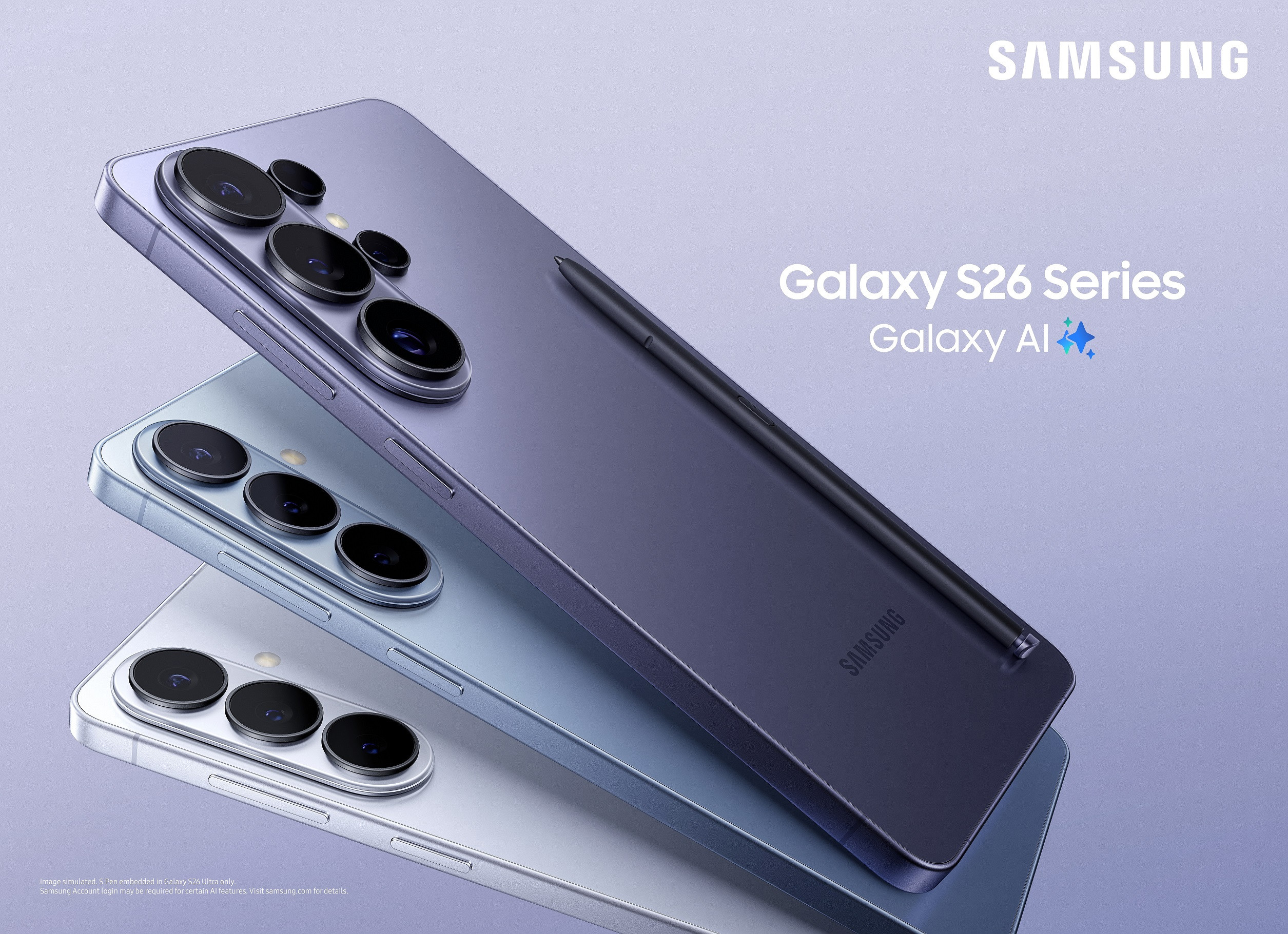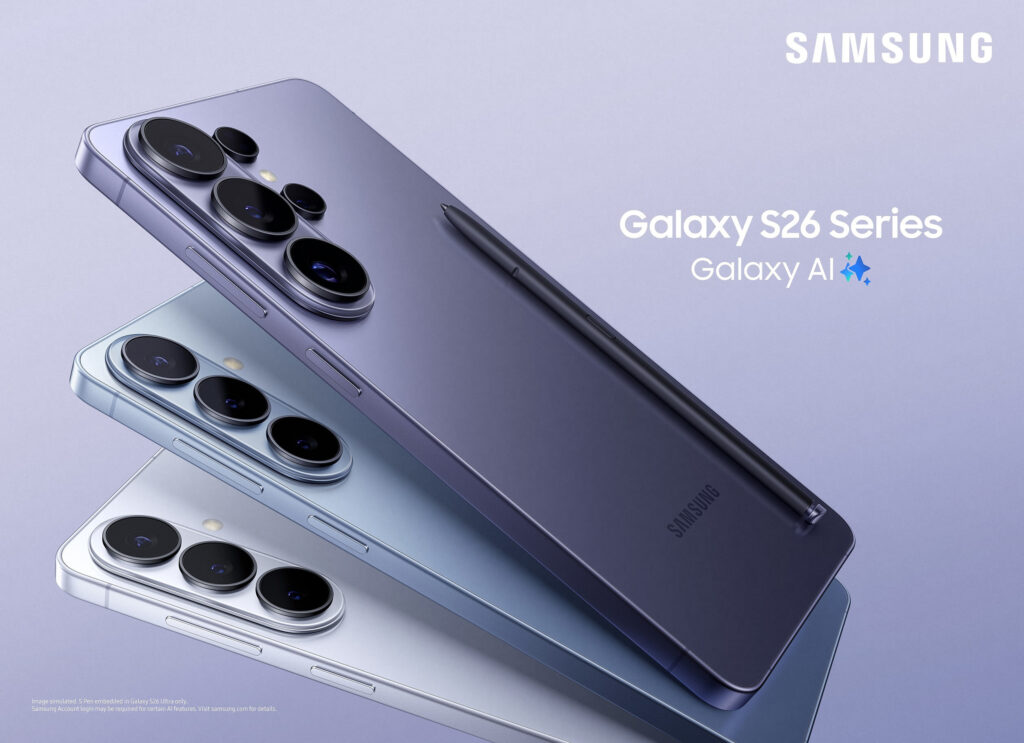
A global squeeze on memory chips is giving smartphone makers less room to absorb rising component costs, creating a new pricing risk for U.S. device makers, suppliers and investors as demand from artificial-intelligence infrastructure competes with consumer electronics for memory capacity. Samsung Electronics is now passing some of those costs to customers, raising prices for its Galaxy S26 lineup in South Korea on October 1.
Samsung increased the price of the 256GB Galaxy S26 by 149,600 won, or about $110, to 1.404 million won, equivalent to roughly $1,030. The 256GB Galaxy S26+ rose by the same amount to about $1,175, while the 256GB Galaxy S26 Ultra increased by roughly $110 to about $1,430.
The increase is larger for higher-capacity devices. Samsung raised the price of the 1TB Galaxy S26 Ultra by about 270,000 won, or roughly $200, to about $2,070 in South Korea.
The move underscores a growing challenge for the smartphone industry: memory, once a relatively manageable component cost, is becoming more expensive as AI data centers absorb a growing share of global supply. For U.S. investors, the shift could affect smartphone margins, device pricing and the earnings outlook for memory-chip suppliers as AI infrastructure demand continues to compete with traditional electronics.
Samsung’s price increase comes about seven months after the Galaxy S26 series was launched in March. The company is benefiting from higher memory prices through its semiconductor business, but its smartphone division faces the opposite effect as component costs rise.
The pricing pressure is not limited to Samsung. Apple also raised prices in September when it introduced the iPhone 18 Pro lineup and increased prices for some iPhone 17 models released in 2025.
The simultaneous price adjustments by the two major premium smartphone manufacturers point to a broader change in the economics of consumer electronics. Rather than absorbing the full increase in component costs, manufacturers are increasingly testing consumers’ willingness to pay more for higher-end devices.
For U.S. smartphone companies and investors, the key issue is whether elevated memory prices remain a temporary supply squeeze or become a structural cost increase driven by AI infrastructure. A prolonged imbalance could reshape pricing strategies across the smartphone market while strengthening the earnings outlook for memory suppliers.