South Korean retail investors sharply reduced their purchases of U.S. stocks in August, but the slowdown looks less like a retreat from Wall Street than a pause after a rush to buy American technology shares during the previous month’s selloff.
Net purchases of U.S. stocks by South Korean investors fell 57.7% from July to $1.96 billion in August, according to the Korea Securities Depository, which handles securities settlement and custody in South Korea. Yet the value of their U.S. stock holdings rose about 9.8% to $188 billion as American markets recovered.
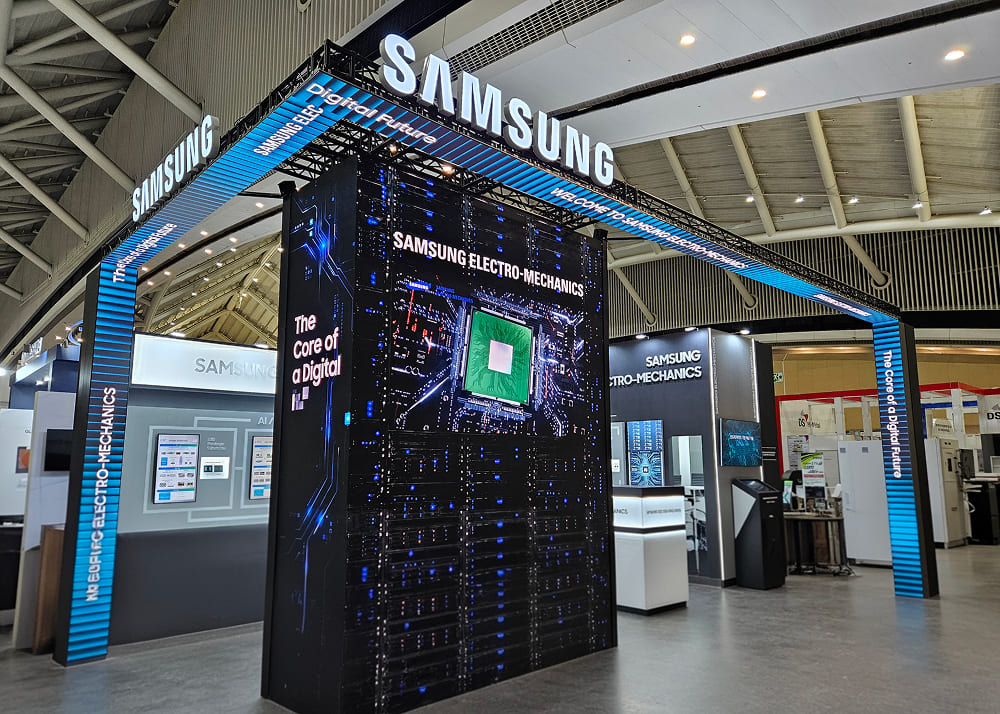
The numbers are notable because South Korea already sits at the center of the global semiconductor boom. The country is home to Samsung Electronics, a global producer of smartphones, memory chips and consumer electronics, and SK Hynix, one of the world’s largest memory chip makers and a major supplier of high bandwidth memory used in AI computing. Yet Korean individual investors continue to send large amounts of money to Wall Street, particularly when U.S. technology stocks fall.
That makes their behavior relevant to American investors. Even in a country whose own stock market offers direct exposure to the AI semiconductor cycle, retail investors have repeatedly treated declines in U.S. technology shares as buying opportunities. Their August pullback shows how quickly that overseas demand can change when Nasdaq stocks recover and Treasury yields rise, rather than signaling that enthusiasm for American equities has disappeared.
The pattern was especially clear in July. South Korean investors bought $4.6 billion more U.S. shares than they sold as American technology stocks declined. The Nasdaq 100 fell 6.6% during the month, drawing investors looking to buy large U.S. technology companies at lower prices.
That opportunity became less attractive in August. The Nasdaq 100 climbed 4.2%, ending two consecutive months of declines, while the S&P 500 gained 2.7%. As prices recovered, the urgency to buy the dip faded.
Trading activity declined as well. The average daily settlement value of U.S. stock purchases and sales by South Korean investors fell from $2.9 billion in June to $2 billion in July and $1.8 billion in August, a 37.8% decline in two months.
Higher U.S. interest rates added another reason for caution. The 10 year Treasury yield reached 4.77% during August, its highest level in 19 months. Persistently high yields can pressure stock valuations, particularly those of technology and growth companies whose prices depend heavily on expectations for future earnings.
Still, Korean investors did not abandon U.S. equities. They remained net buyers of more than $1.9 billion in August, while the value of the American stocks they already owned continued to rise. The figures suggest that buying simply returned toward more normal levels after the unusually aggressive bargain hunting of July.
The flow also has consequences outside the stock market. Korean investors generally need dollars to purchase American shares, meaning persistent overseas investment creates additional demand for the U.S. currency. Large movements of household savings into foreign assets can therefore become another source of pressure on the Korean won.
That currency link has made overseas stock investing an issue for South Korean financial regulators. Since late last year, authorities have repeatedly urged domestic brokerages to reduce aggressive promotions for foreign stock trading, including cash rewards, commission discounts and favorable foreign exchange terms.
Regulators are concerned that rapidly growing overseas investment could increase dollar demand and add pressure to South Korea’s foreign exchange market. They have also warned that generous incentives could encourage excessive trading.
Brokerages have responded by scaling back competition over overseas trading fees, currency exchange discounts and other incentives. But the latest decline in trading is raising questions within the securities industry about whether such restrictions are necessary when overseas activity is already cooling.
An industry official cited in the original report said July’s sharp decline in U.S. technology shares generated unusually strong bargain hunting, while the August rebound naturally reduced buying. The official also said broad restrictions on brokerage promotions could reduce commission and currency exchange benefits for investors even as overseas trading is already slowing.
The August figures therefore point to a change in pace rather than a change in direction. South Korean investors are buying fewer U.S. shares than they did during July’s selloff, but with $188 billion already invested in American equities, Wall Street remains deeply tied to the savings and investment decisions of retail investors in one of the world’s largest semiconductor economies.