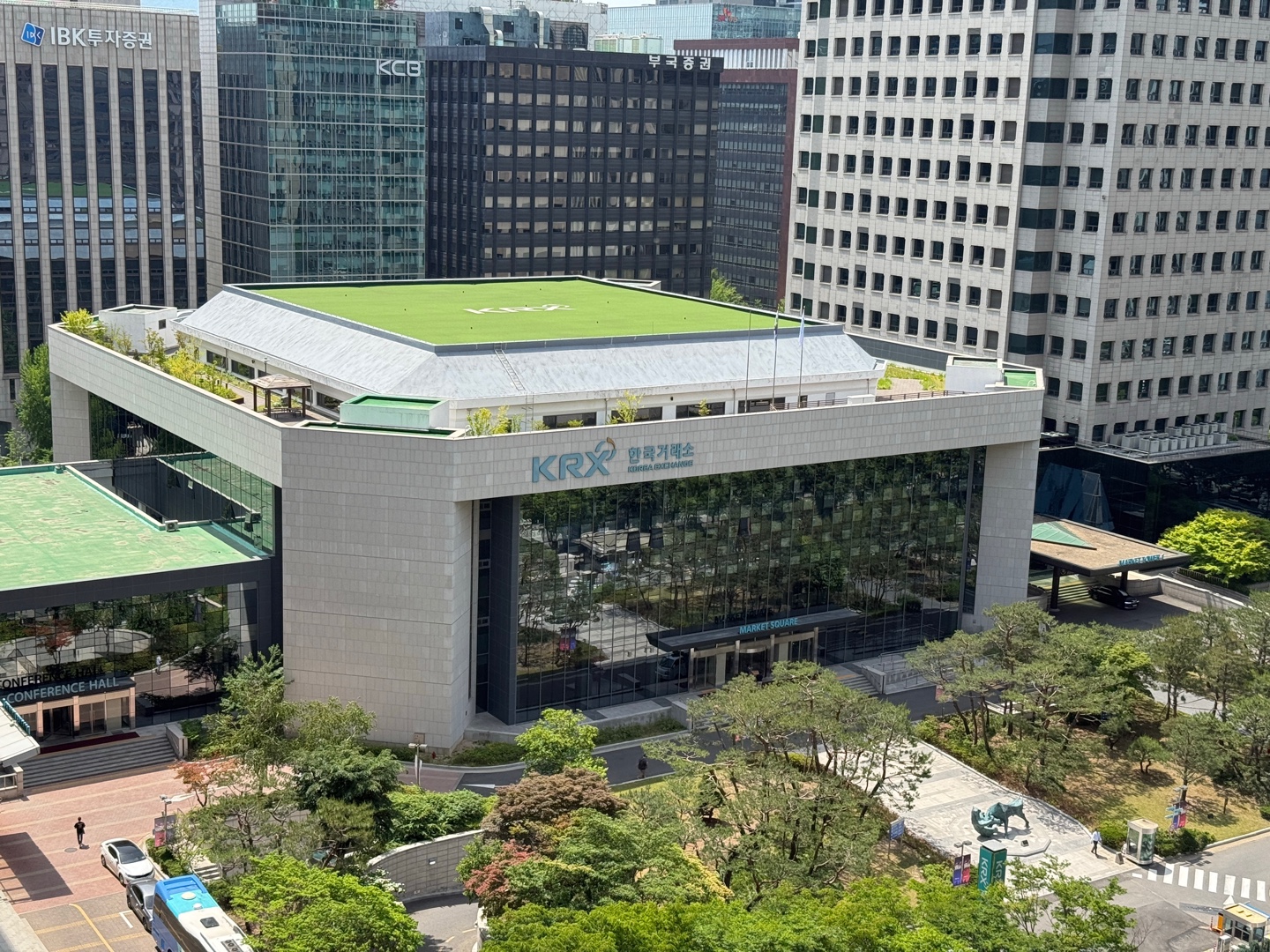

South Korea’s main stock exchange is extending real time trading until 8 p.m. after a new rival introduced a 12 hour trading day, turning what had long been a largely single exchange market into a competition over how and when investors can trade.
The Korea Exchange will launch its new after hours market on Sept. 14, following Nextrade, South Korea’s first alternative trading system. Nextrade was introduced as part of an effort to bring competition into the country’s stock trading infrastructure and was designed from the start to operate from 8 a.m. to 8 p.m., offering longer hours and additional order options alongside the established exchange.
The longer KRX session also changes the clock for investors outside Asia. When trading ends at 8 p.m. in Seoul in mid September, it is 7 a.m. in New York, meaning Korean stocks will still be trading as the U.S. East Coast begins its day rather than closing in the middle of the night. That matters more now that direct access to Korean equities has widened. Interactive Brokers, a Connecticut based global brokerage, began offering eligible clients direct access to KRX listed stocks in May and added Nextrade in June.
KRX is not simply adding four more hours to its existing system. The exchange will eliminate the after hours single price market that currently runs from 4 p.m. to 6 p.m., where orders are collected and matched every 10 minutes. The replacement will execute trades continuously in real time, similar to the regular market.
Prices will also be allowed to move much further.
The existing after hours system limits prices to within 10% of the day’s closing price. The new market will allow shares to rise or fall as much as 30% from the previous day’s close, matching the limit used during regular trading.
The broader range gives investors more freedom to respond to new information after the regular session, but it also increases the importance of liquidity. Trading volume is typically thinner outside regular hours, making prices more vulnerable to sharp moves when relatively few orders are available on either side of a trade.
KRX is putting limits around that risk. Market orders and conditional limit orders will not be accepted during the new session. Investors will instead be able to use limit orders and certain orders that seek the best available price. Immediate or cancel and fill or kill instructions will remain available.
Orders that remain unfilled at the end of KRX’s regular session will be canceled. Investors who want to continue trading in the evening will need to submit their orders again.
Nextrade operates differently. Orders placed during its premarket session can remain active through the regular session and into after hours trading.
KRX will also keep some securities out of the evening market. Exchange traded funds and exchange traded notes will not be eligible, and neither will stocks that failed to trade during the regular session. Shares under special supervision, investment warnings or investment risk designations will also be excluded, along with unusually volatile and extremely illiquid stocks.
Short selling will remain possible, with the same uptick rule used during regular trading. Certain short sale orders cannot be placed below the most recent transaction price, and the regular closing price will serve as the reference when no previous transaction is available.
The risks of extending trading beyond the busiest part of the day are already visible at Nextrade.
The alternative trading system currently operates a premarket from 8 a.m. to 8:50 a.m. and an after hours market from 3:40 p.m. to 8 p.m. In some cases, relatively small orders have been enough to push the first premarket price of a stock all the way to its daily upper or lower limit.
Nextrade will strengthen its volatility controls on Sept. 14, the same day KRX begins its new evening session. It plans to add a static volatility interruption mechanism to the dynamic system it already uses.
When either mechanism is triggered, continuous trading will temporarily switch to a single price auction. Nextrade is also considering using an auction to determine the first price of the premarket session.
The competition that gave South Korean investors a longer trading day is now forcing both markets to confront its downside. Nextrade broke with the traditional schedule by staying open until 8 p.m., and KRX is now following with real time evening trading of its own.
The result is a Korean stock market that remains accessible much later in the global trading day, including into the early morning in New York. The question now is whether the exchanges can offer that additional access without allowing thin evening liquidity to produce prices that move faster than the underlying market.