As global wheat prices eased over the past year, flour prices in many markets followed suit. In South Korea, they moved the other way—until prosecutors, policymakers and consumers forced a reversal.
Major South Korean flour and sugar producers this month announced price cuts after executives were indicted on charges of price-fixing, a sudden retreat that has drawn attention to how domestic pricing diverged from global cost trends even as raw-material prices declined.
International wheat prices have fallen steadily from their post-Ukraine-war highs, with benchmark futures down more than 30% from their 2022 peak. Shipping costs have normalized, and global grain inventories have stabilized, easing cost pressures for millers worldwide. In markets such as the U.S. and parts of Europe, flour prices either plateaued or declined over the past year.
In South Korea, however, leading producers continued to push through price increases or maintain elevated levels, citing accumulated costs, logistics expenses and currency volatility. Sugar and flour—key inputs for bread, noodles, snacks and processed foods—became a persistent driver of grocery inflation, even as headline inflation cooled.
That pricing stance began to unravel after prosecutors indicted executives from major flour producers, including Korea Flour Mills, Sajo DongA One and Samyang, accusing them of colluding to fix prices over several years. Authorities estimate the alleged conduct affected flour sales worth about $4.4 billion. Sugar producers, including CJ CheilJedang and Samyang, were also charged in a parallel case involving roughly $2.4 billion in transactions.
Within days of the indictments, companies that had resisted cuts announced coordinated price reductions. CJ CheilJedang said it would lower retail prices on household sugar and flour products by about 5% on average. Samyang and Sajo DongA One followed with similar reductions, while Korea Flour Mills cut prices on select commercial and consumer products.
Executives framed the moves as a reflection of falling global wheat and raw sugar prices. But the timing underscored how long those declines had gone unpassed to consumers.
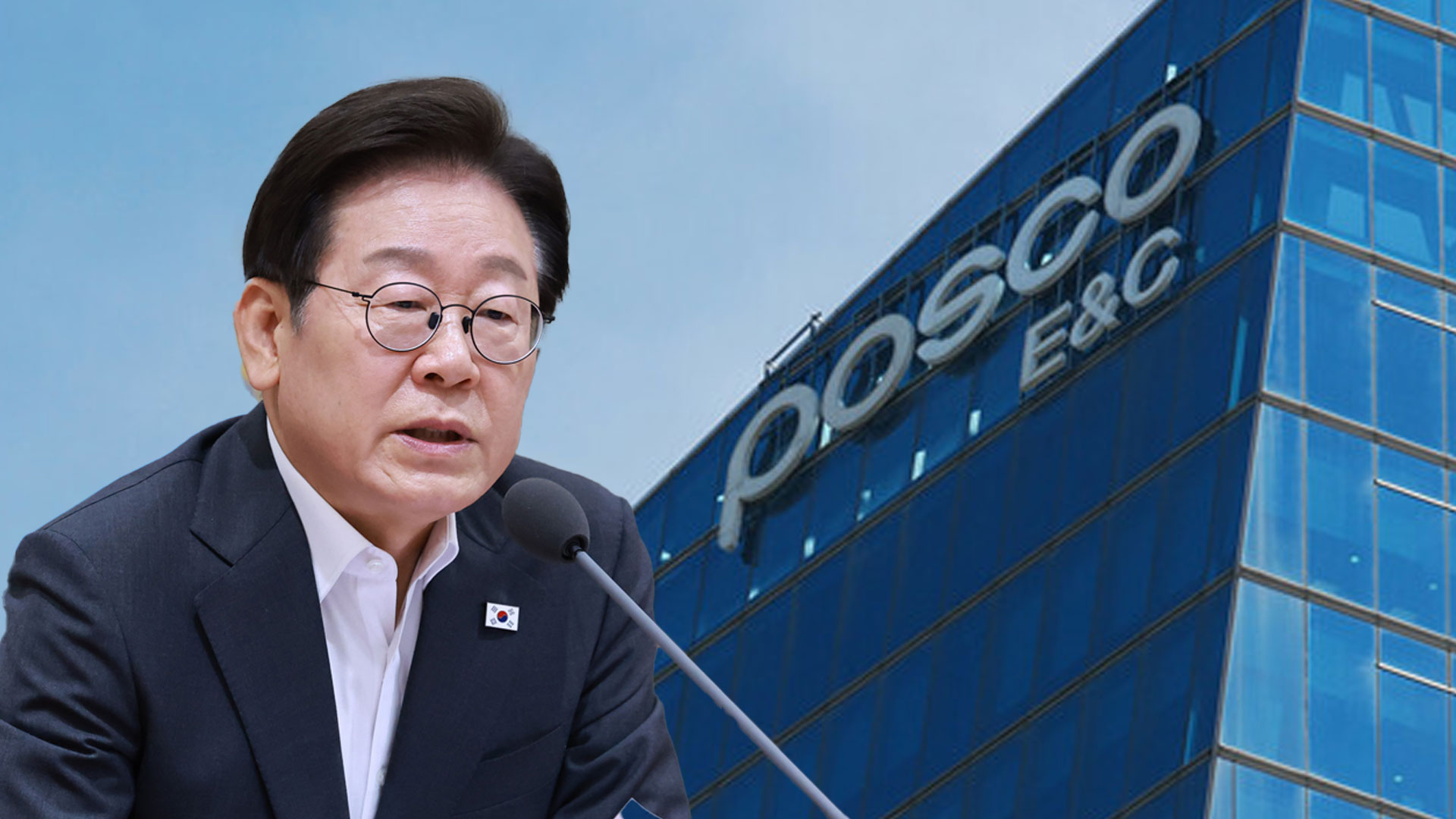
President Lee Jae-myung sharpened that message at a recent meeting with senior aides, saying improving macroeconomic indicators meant little if households continued to face elevated food costs. Referring to the indictments, he criticized companies accused of using market dominance to keep prices high and pledged aggressive enforcement to protect consumers.
Industry officials privately acknowledge that regulatory scrutiny, rather than cost relief alone, forced the shift. With a highly concentrated milling sector and limited import competition, flour pricing in South Korea has long been less responsive to global swings than in more fragmented markets.
The episode has reignited debate over how pricing power operates in essential food industries, and whether market structure—not global volatility—is the main reason Korean consumers often see slower price declines than elsewhere.
For now, prices are coming down. But the retreat has left an uncomfortable question hanging over the industry: if global costs were already falling, why did it take indictments to make flour cheaper?