South Korea’s alcohol market is entering a structural decline, creating a new battleground for beverage companies and investors as younger consumers drink less and shift toward low- and no-alcohol alternatives. The trend mirrors a broader global wellness movement and could favor companies able to capture premium growth in nonalcoholic beverages, ready-to-drink products and new drinking occasions rather than rely on traditional beer and spirits volumes.
South Korea’s domestic alcohol shipments fell below 3 billion liters last year for the first time since the 1998 Asian financial crisis, according to data released Aug. 23 by the National Tax Service. Shipments totaled about 2.99 billion liters, down 21.5% from roughly 4.01 billion gallons in 2015.
The decline is no longer simply an economic story. A generation of consumers is drinking less frequently, company dinners have become shorter and less alcohol-centered, and an aging population is shrinking the demographic base that historically supported beer and soju consumption.
For global beverage companies, the shift is significant because South Korea has long been one of Asia’s most distinctive alcohol markets. The opportunity is increasingly moving away from selling more alcohol and toward selling different kinds of drinks, including zero-proof beer, low-alcohol beverages, highballs and flavored ready-to-drink products.
Beer shipments fell 7.2% last year to about 1.52 billion liters, or roughly 401 million gallons, extending a three-year decline. Diluted soju shipments fell below 800 million liters, or about 210 million gallons, for the first time, reaching 793 million liters. Takju, the category that includes makgeolli, fell for a fifth consecutive year to 318 million liters, or about 84 million gallons.
The change is especially pronounced among younger consumers, who increasingly associate drinking with lifestyle choices rather than social obligation. A recent survey of South Korean Gen Z job seekers found that 42% said they don’t drink at all, while only 14% said they drink at least once a week.
That shift is also changing the economics of drinking occasions. Consumers are moving toward drinking at home, drinking alone or choosing beverages based on flavor rather than alcohol content. A 2025 government-backed industry survey found that consumers drank an average of 8.8 days a month, down from 9.0 days in 2023, while average consumption on drinking days slipped to 6.6 glasses from 6.7.
South Korea’s changing drinking habits resemble a broader global retreat from traditional alcohol consumption. Worldwide alcohol consumption fell 1% in 2024, while younger consumers in several markets have increasingly embraced “sober curious” lifestyles. In the U.S., meanwhile, ready-to-drink cocktails have continued to gain share even as overall alcohol consumption has weakened, suggesting that changing consumer behavior can create growth pockets within a shrinking category.
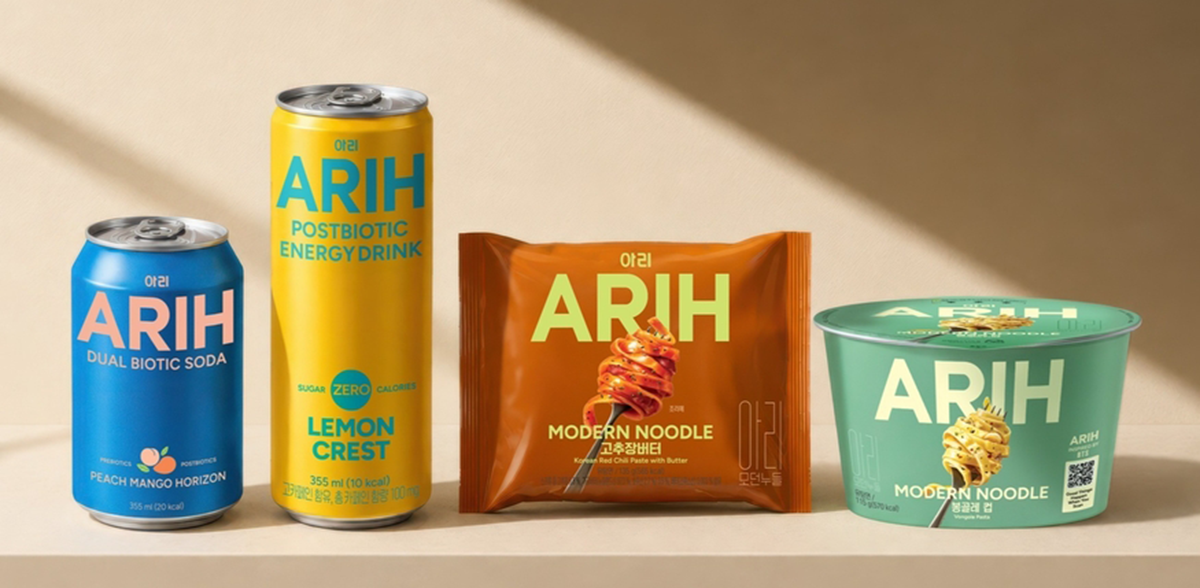
South Korean beverage makers are responding by expanding beyond conventional beer and spirits. Lotte Chilsung Beverage has introduced lower-alcohol fruit drinks, while HiteJinro and Oriental Brewery have expanded their nonalcoholic beer offerings. The country’s nonalcoholic beer market was estimated at about $52 million in the 12 months through May 2026, up 32.6% from three years earlier, according to market research cited by The Asia Business Daily.
For investors, the key question is therefore not whether South Koreans will return to their old drinking habits, but which beverage categories can grow as those habits disappear. Traditional beer, soju and makgeolli face demographic and behavioral headwinds, while nonalcoholic beverages, low-alcohol drinks and products designed around individual consumption offer a potentially more resilient path to growth.
The transformation also creates an opening for international beverage companies with established expertise in zero-proof products, premium RTDs and wellness-oriented brands. South Korea’s experience suggests that the next growth cycle in alcohol may come not from getting consumers to drink more, but from giving them more reasons to drink less.