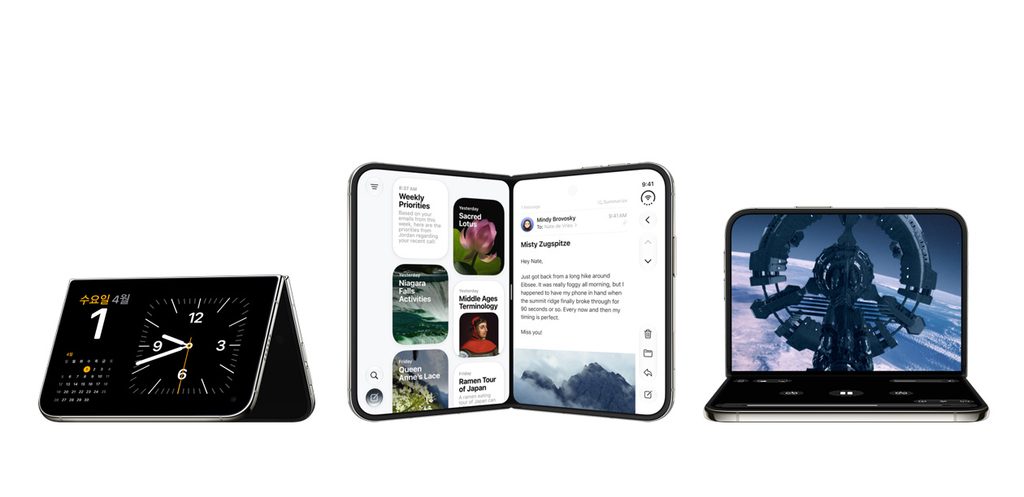
Apple is entering a foldable smartphone market that Samsung Electronics, the South Korean technology giant behind the Galaxy smartphone lineup, has spent nearly seven years developing.
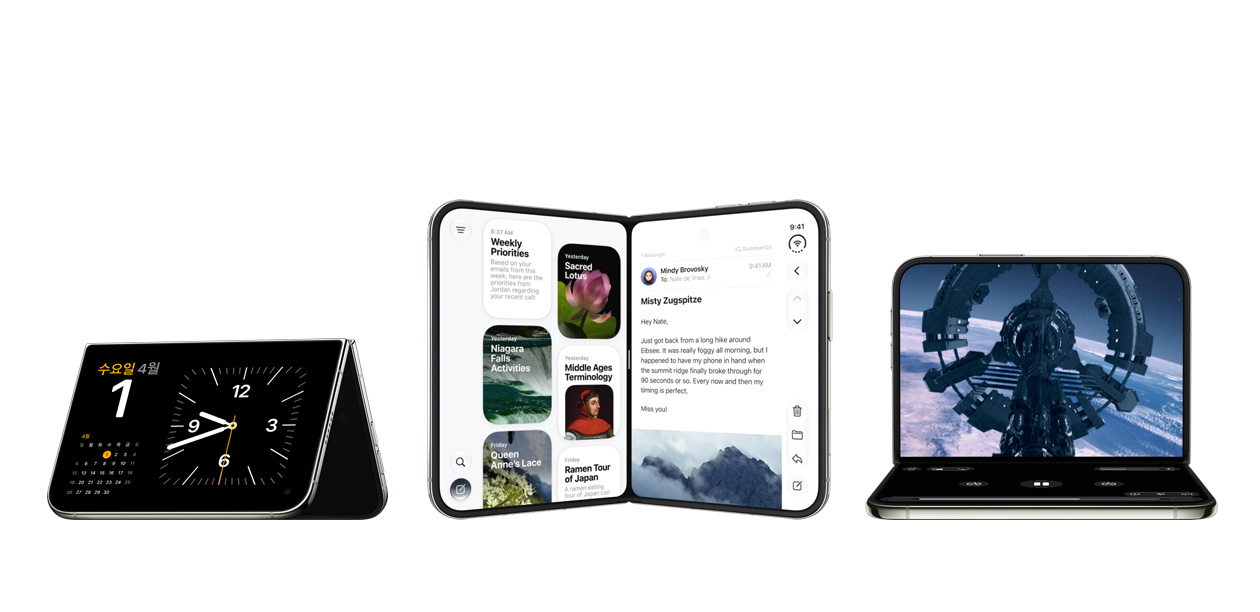
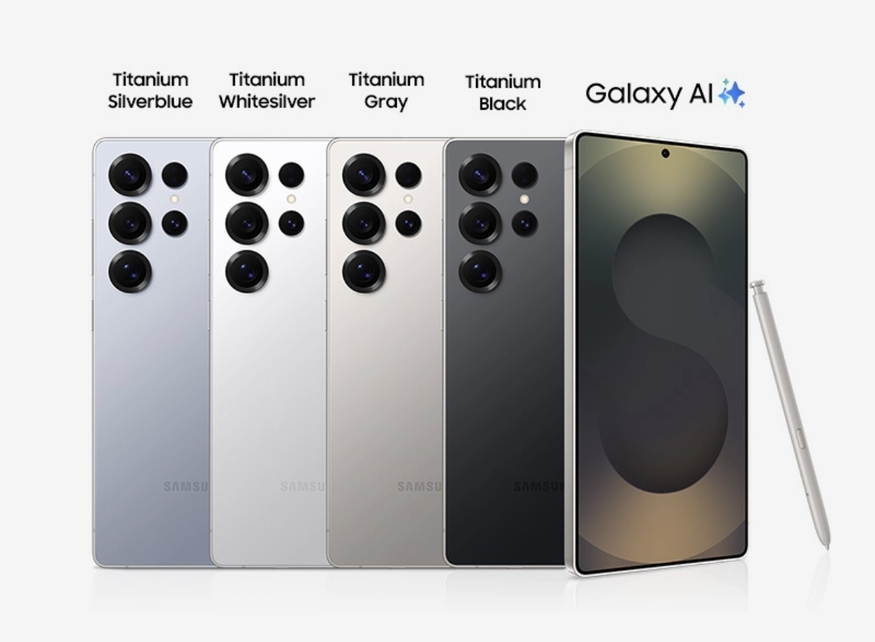
The first iPhone Duo will compete directly with Samsung’s Galaxy Z Fold8, using the same book style folding design. In the U.S., the competition begins with almost no meaningful price separation. Apple’s phone starts at $1,999, only $100 above Samsung’s $1,899 model.
The picture changes sharply in South Korea. The 256GB iPhone Duo costs about $2,435 there, compared with roughly $1,690 for the equivalent Galaxy Z Fold8, creating a gap of more than $740. That contrast makes the launch more than another Apple product release. American buyers will be choosing between two competing foldables at nearly the same price, while consumers in Samsung’s home market face a far larger premium for Apple’s first attempt at the form factor.
Samsung also enters the contest with a clear advantage in physical design.
The Galaxy Z Fold8 weighs about 7 ounces and measures roughly 0.1 inch thick when open and 0.3 inch when folded. The iPhone Duo weighs 8.9 ounces and measures about 0.2 inch when open and 0.4 inch when closed.
The difference is notable because their displays are almost the same size. Both use 7.6 inch main screens. Samsung’s outer display measures 5.5 inches, compared with 5.4 inches on the Duo.
Apple has used some of the additional space and weight for thermal management. The Duo includes a vapor chamber designed to distribute heat across the device during sustained high performance use. Apple is also using a titanium frame, Ceramic Shield protection and a hinge assembled from more than 100 components.
Those engineering choices put Apple on a different starting point from Samsung, which launched its first Galaxy Fold in 2019 and has spent successive generations addressing problems unique to folding phones. Samsung has worked on reducing display creases, improving hinge durability, strengthening water and dust resistance and making the devices thinner and lighter.
That experience is visible in the Fold8’s dimensions. Apple is entering the category with a heavier and thicker device despite offering nearly identical screen sizes.
The two companies are also competing from different positions in software.
Samsung has spent years developing features such as Flex Mode and expanded multitasking around the folding screen. Apple has introduced its own camera and interface functions designed for the Duo, but many of the fundamental uses of a book style foldable have already been established by existing devices.
Apple’s larger advantage may instead be the number of people who already use an iPhone.
Until now, an iPhone owner who wanted a book style foldable generally had to consider moving to another mobile operating system. The Duo gives those users a way to adopt the form factor without leaving iOS. That gives Apple an immediate customer base, but it does not erase Samsung’s longer experience building the hardware itself.
The difference between the two strategies becomes particularly important when price enters the equation.
In the U.S., $100 separates the phones, leaving buyers to weigh Samsung’s lighter hardware and longer foldable experience against Apple’s ability to keep existing iPhone users within its platform.
In South Korea, the calculation is much more difficult for Apple.
The iPhone Duo costs roughly 44% more than the comparable Fold8. Apple’s Korean price is also about $440 higher than what a simple conversion of the U.S. launch price would suggest.
Samsung has taken the opposite approach in its home market, pricing the Fold8 below its level in several major overseas markets. The result is an unusually wide gap between two phones that compete almost directly on price in the U.S.
The difference becomes even more pronounced at the top of Apple’s lineup. The 2TB iPhone Duo costs about $3,770 in South Korea, pushing a mass market smartphone above $3,700 without relying on a special edition.
That matters because foldables remain an expensive segment largely dependent on consumers willing to pay a premium for a new form factor. A gap of more than $740 gives Samsung a significant advantage in its domestic market even as Apple approaches the U.S. market with far more aggressive pricing.
Apple’s arrival could still change the size of the market itself.
Counterpoint Research expects cumulative global foldable smartphone shipments to exceed 100 million units by the end of this year and projects shipments next year to increase 37%. IDC separately expects global foldable shipments to grow about 30% this year.
Counterpoint projects Samsung to hold about 38% of the foldable market this year, followed by Apple at 25% and Huawei at 22%. That would put Apple in second place during its first year in the category despite Samsung’s long head start.
The central question is therefore not simply whether Apple can sell a folding iPhone. It is whether the company can use its existing iPhone customer base to expand a market that Samsung spent years establishing, while competing against hardware that is already lighter and thinner.
In the U.S., Apple gets to test that proposition with only $100 separating the two devices. In South Korea, the same contest comes with a gap of more than $740, giving Samsung a much stronger price advantage in the market where its foldable business began.