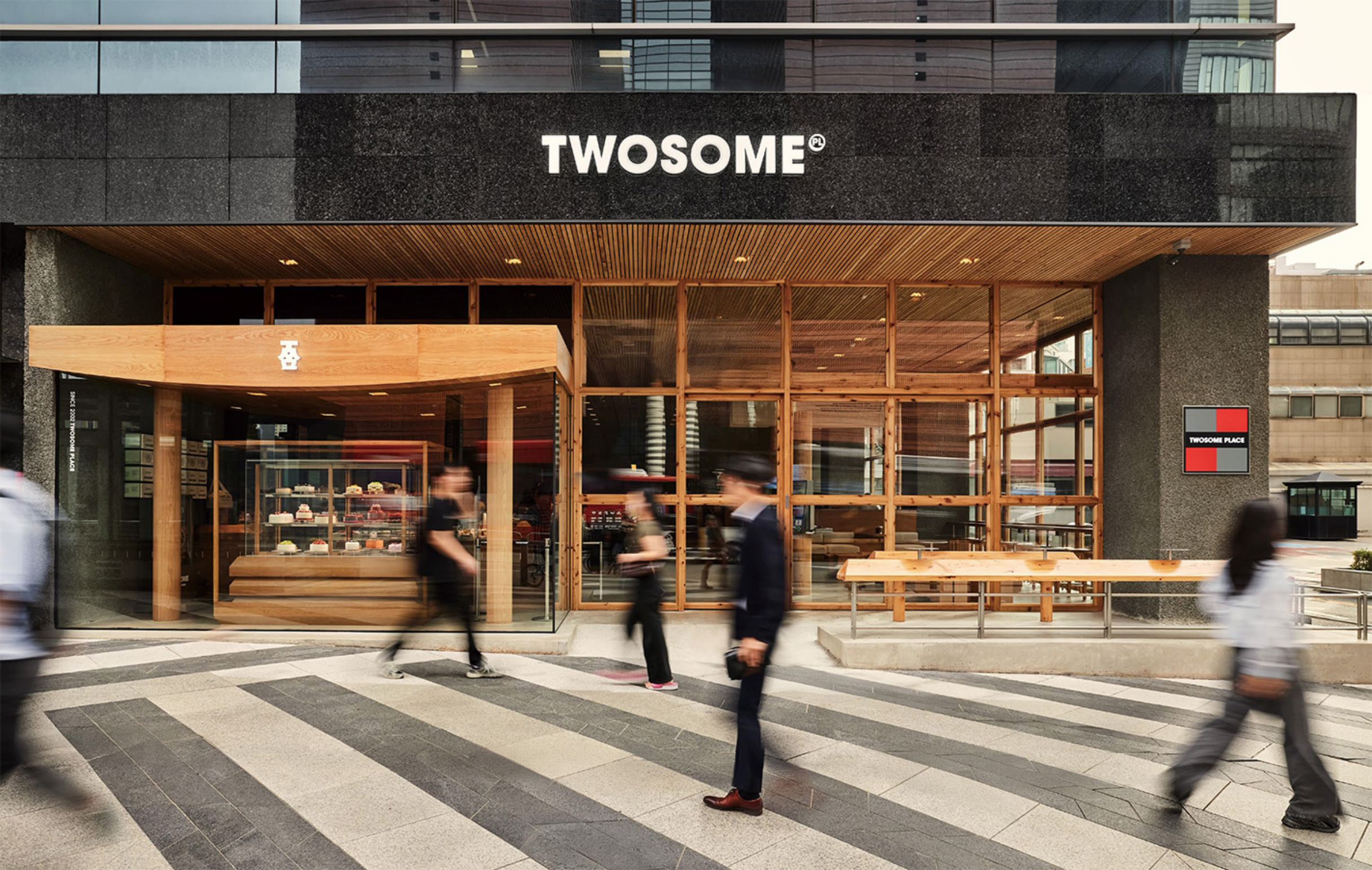
South Korea has spent years turning its music, television, beauty products and food into global businesses. Twosome Place is now testing whether that cultural momentum can support something more difficult to export, a large network of physical cafes serving American customers every day.
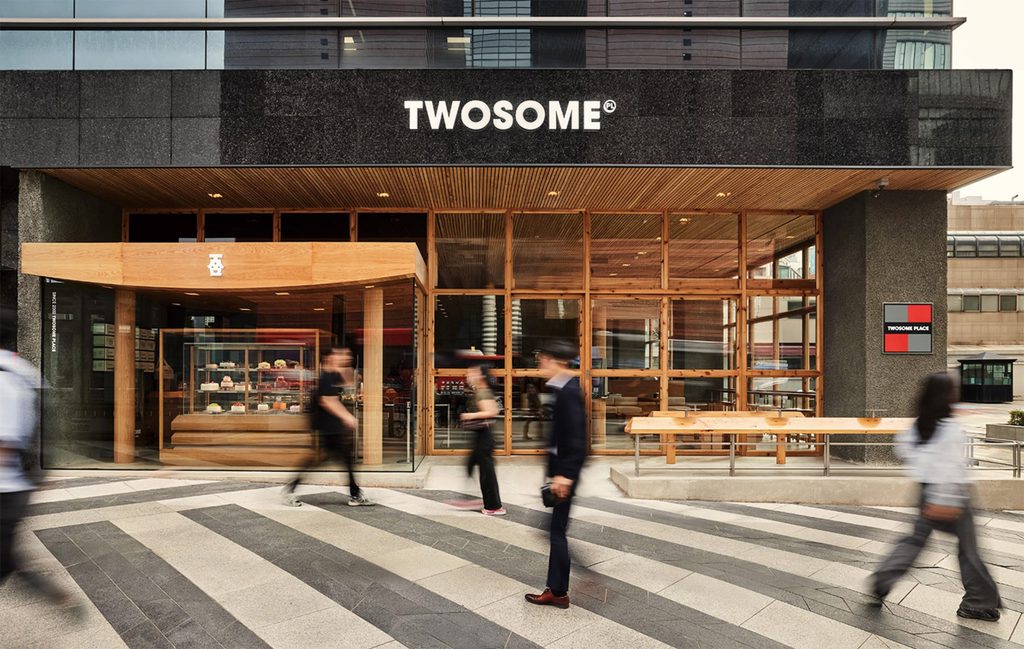
The South Korean coffee and dessert chain, which operates 1,750 stores at home and is owned by global investment firm Carlyle, plans to open its first U.S. location in Alexandria, Virginia, in mid October. It expects to build more than 10 company operated stores, initially along the East Coast, as its dense domestic network leaves limited room to keep growing through new locations in South Korea.
The U.S. does not lack coffee shops, bakeries or dessert cafes. What makes the expansion significant is the timing. Growing interest in Korean culture has increasingly translated into spending on Korean food, creating a larger potential customer base for brands that once would have depended mainly on Korean American communities. South Korean agri food exports to the U.S. reached $1.8 billion in 2025, up 13.2% from a year earlier, making the U.S. the industry’s largest national market for a second consecutive year. The number of U.S. outlets operated by South Korean food service companies also more than doubled over five years to 1,106 in 2025.
That growth does not guarantee Twosome a place in America’s already crowded cafe market. Korean bakery chains such as Paris Baguette and Tous les Jours have already established U.S. networks, while local and national operators offer Americans no shortage of coffee, pastries and cakes. Twosome must show that recognition of Korean culture can be converted into repeat visits, higher customer spending and profitable stores rather than a brief rush of curiosity.
Its main weapon will be a cake.
Twosome plans to lead its U.S. expansion with its Strawberry Chocolate Fresh Cream Cake, known in South Korea by the shortened name Seuchosaeng. The company sells more than 3 million of the cakes annually, making the product both a domestic bestseller and the clearest example of the brand identity it wants to carry overseas.
Chief Executive Moon Young Joo began promoting the dessert as a named flagship after joining the company in 2023. His reasoning was that Twosome needed a recognizable product capable of playing the role that the Big Mac serves for McDonald’s or the Whopper serves for Burger King. The cake subsequently became the centerpiece of a broader brand reset.
Twosome says its revenue last year was 36% higher than in 2022, while operating profit increased 66%. Its annual same store sales growth rate improved by 7.3 percentage points over the same period. Those results gave the company confidence that a cake led strategy could support growth beyond its home market.
The first U.S. store will occupy about 2,600 square feet on King Street in Alexandria’s Old Town neighborhood and include 78 indoor and outdoor seats. Its menu will contain more than 80 products, including 33 cakes, 31 beverages and eight deli items.
Twosome is not presenting the store simply as a place to buy Korean desserts. Its business model depends on using coffee to generate frequent traffic while cakes and meals raise the amount customers spend during each visit. The company plans to operate the location throughout the day, giving customers reasons to visit for breakfast, lunch, coffee or dessert.
The company believes its cakes can occupy a different position from the heavier butter and cheese based varieties commonly sold in the U.S. Twosome’s Korean style products rely more heavily on whipped cream, mousse and fresh fruit, producing a lighter texture that has become familiar to customers across its South Korean stores.
The American menu will combine that cake format with flavors associated with Korean food. Planned products include cakes made with dalgona caramelized sugar, black sesame and injeolmi, a chewy rice cake. Drinks will include a frappe made with misugaru, a roasted multigrain powder, as well as Korean plum and apple cinnamon beverages. Bulgogi toast, a Korean chicken panini and bibimbap inspired bowls will extend the menu beyond sweets.
That combination allows Twosome to benefit from American familiarity with Korean food without depending entirely on unfamiliar products. Espresso drinks, toast, sandwiches and fruit cakes offer recognizable formats, while Korean ingredients provide the distinction the company says it would lack if it entered the market with coffee alone.
The greater challenge will be making the numbers work. Twosome expects each U.S. location to require an investment of roughly $1.1 million to $1.4 million. Menu prices are likely to be 10% to 20% higher than in South Korea because of American labor and ingredient costs. All initial locations will be operated directly by the company’s U.S. subsidiary, and franchising will be considered only after the stores demonstrate stable profitability.
Direct ownership gives Twosome more control over food quality, service and menu adjustments, but it also leaves the company bearing the full cost of an expansion that could take years to prove itself. The first stores will need to show not only that Americans are willing to try Korean fresh cream cake, but that they will buy it often enough to support expensive retail locations.
Twosome has reason to proceed carefully. The company entered China in 2011 under CJ Foodville, a South Korean restaurant and bakery operator that previously owned the chain. It expanded to more than 40 locations before withdrawing from the country in 2022. The U.S. launch is therefore not Twosome’s first international experiment, but its first attempt since an earlier overseas expansion failed to produce a lasting business.
This time, the company is entering a market where other South Korean food brands have already laid some of the groundwork. The U.S. overtook China as the largest base for overseas outlets operated by South Korean food service companies, while China’s total declined amid stronger local competition. Twosome is effectively following customers and capital toward the market where Korean restaurant and bakery brands have recently shown the strongest expansion.
Carlyle acquired Twosome in 2022 and continues to hold the business through Trinity Holdings. The company has denied that the U.S. move is primarily intended to raise its valuation ahead of an investment exit. Executives said the cost of building company operated stores makes a quick increase in value unlikely and described the expansion as a long term decision.
A successful rollout would nevertheless give Twosome something it increasingly lacks in South Korea, a credible path for opening many more stores. It could also create the foundation for a less capital intensive franchise business after the company proves that American locations can make money.
Twosome is entering the U.S. at a moment when Korean food no longer needs to be introduced from scratch. That gives the chain an opening, but not a business model. The Alexandria store must prove that cultural interest can become an everyday consumer habit and that customers will repeatedly pay premium prices for the company’s combination of coffee, cake and Korean flavors. That result will determine whether Twosome has simply followed the Korean cultural wave to Virginia or found a way to turn it into its next stage of growth.