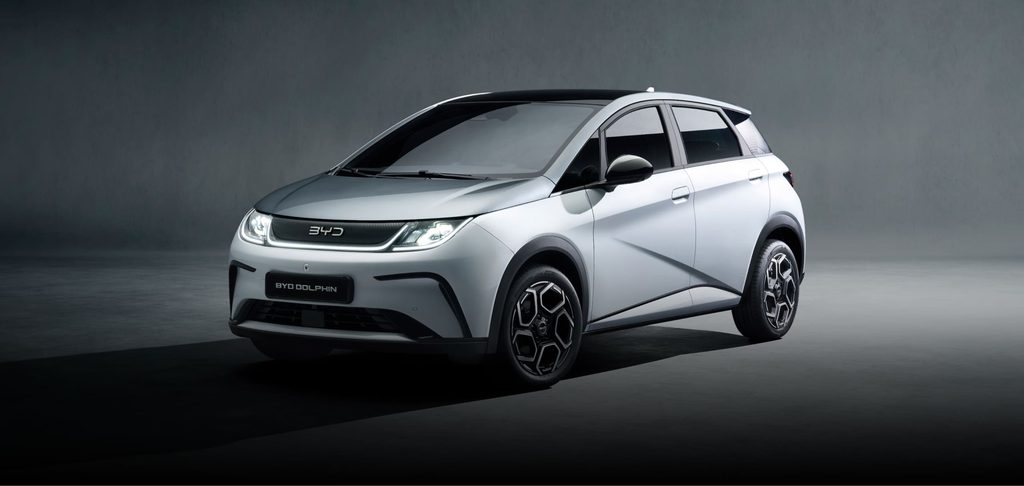
China’s electric vehicle makers are looking overseas for growth as competition at home intensifies, and BYD is taking that push into one of the hardest markets in which to prove its strength. In South Korea, the Chinese automaker is preparing to move beyond passenger cars and into electric trucks and large buses, putting it in direct competition with Hyundai Motor and Kia.
South Korea is a demanding place for that test. Hyundai Motor and Kia, the two major automakers of Hyundai Motor Group, hold deeply established positions in their home market, particularly in commercial vehicles. BYD’s decision to challenge them there suggests Chinese automakers are no longer satisfied with competing mainly through lower priced passenger EVs.
The outcome matters beyond Korea. As Chinese automakers search for more growth outside their domestic market, their ability to compete against established global manufacturers on price, range and operating costs will help determine how far China’s EV expansion can spread. For automakers, suppliers and investors, BYD’s push into Korean trucks and buses offers a view of whether the competitive advantages built in China’s enormous EV industry can carry into commercial vehicles as well.
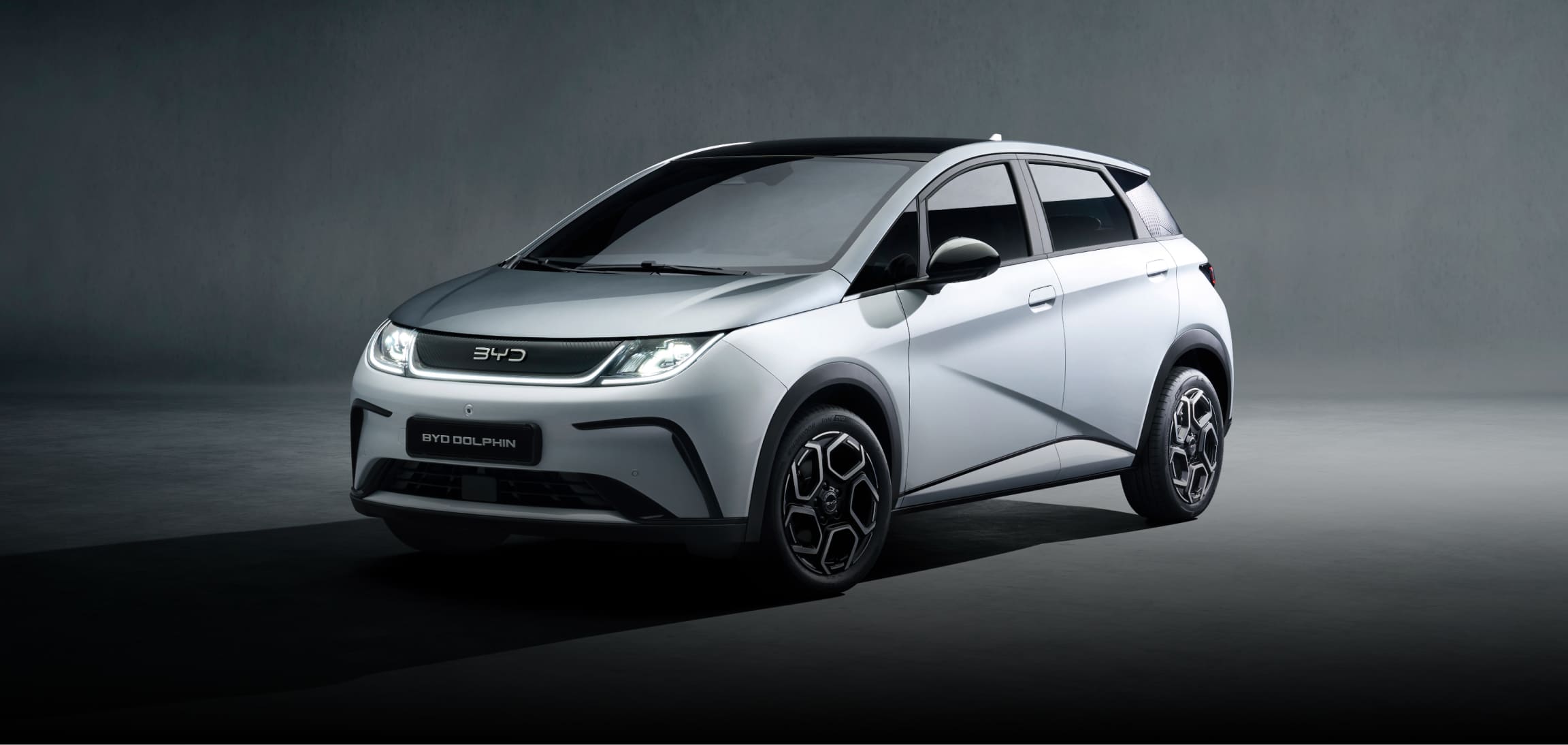
BYD entered South Korea’s imported passenger car market early last year and is now in the final stages of preparing its T35 electric truck for launch. The company has started building a dedicated website and local sales channels, with the model widely expected to arrive around the end of this year, according to industry officials.
The commercial vehicle push accelerated in March when BYD took over electric truck sales rights previously held by GS Global, a South Korean trading and distribution company. It has since been building the infrastructure needed to expand its truck business.
The T35 follows the T4K, BYD’s earlier 1 ton electric truck sold in South Korea. Its biggest competitive weapon is range.
Under South Korean certification standards, the T35 can travel about 213 miles on a full charge in normal temperature combined driving conditions. That is roughly 62 miles farther than comparable 1 ton electric trucks made by South Korean manufacturers.
For commercial buyers, that difference can translate directly into money. Small business owners and delivery operators typically spend longer hours on the road than passenger car drivers. Fewer charging stops mean more time in service, making battery range a central operating consideration.
BYD plans to bring the same pressure to larger commercial vehicles.
Through GS Global, the company is preparing to launch the eCoach12, a roughly 39 foot electric coach, as early as October. The bus is aimed at intercity, express and charter services, markets where Hyundai Motor and Kia already hold strong positions.
The eCoach12 can travel as far as about 472 miles on a single charge. Its expected price is around $223,000, more than $70,000 below some comparable large electric buses made in South Korea.
Chinese bus makers have already shown they can gain meaningful ground in the country. Their share of South Korea’s electric bus market reached 54% in 2023 before falling to about 34% last year after the government tightened subsidy requirements.
BYD’s response is not to retreat, but to broaden its lineup and compete more aggressively on both price and product specifications.
Other Chinese automakers are moving in the same direction. Zeekr, the premium EV brand owned by Geely Auto, a major Chinese automaker, is preparing customer deliveries of its 7X electric SUV in South Korea. XPeng, another Chinese EV manufacturer, has begun recruiting locally as it considers entering the market.
The shift shows how China’s auto expansion is moving into new territory. Competition that first drew attention through inexpensive passenger EVs is now spreading into premium vehicles, work trucks and large buses.
For Hyundai Motor and Kia, that challenge is arriving on their home turf. For the broader global auto industry, South Korea could become an important test of whether Chinese manufacturers can turn their scale, battery technology and aggressive pricing into lasting strength in markets already controlled by established rivals.