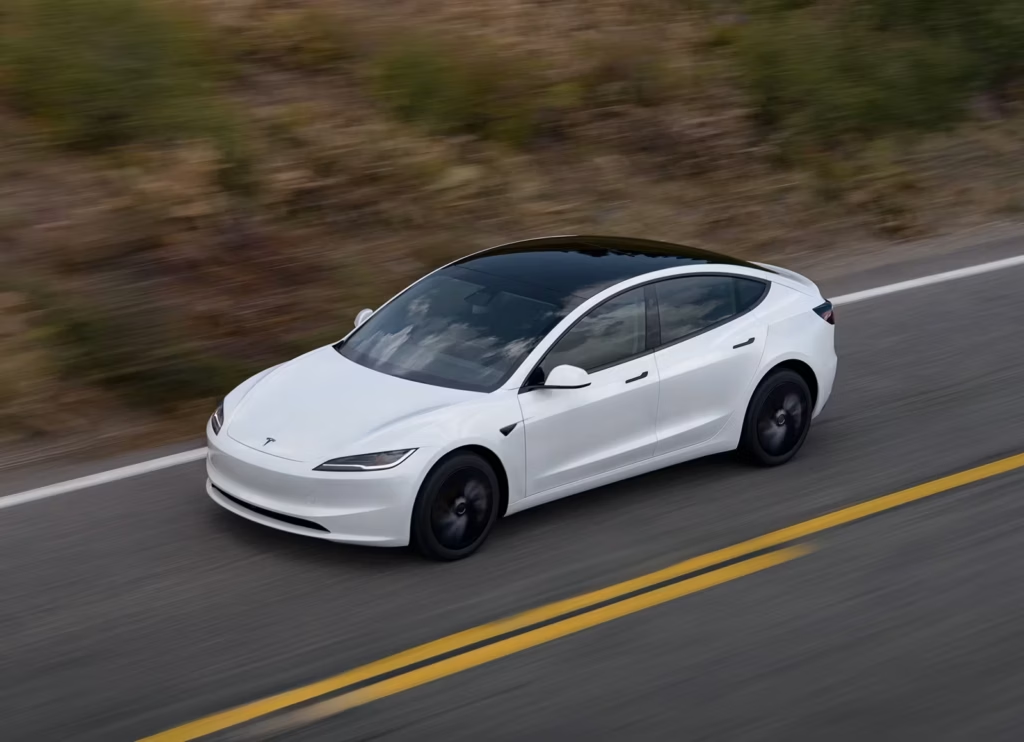
Tesla has climbed to the top of South Korea’s imported car market, but the American electric vehicle maker is running into a problem that strong sales alone cannot solve. The number of Teslas on Korean roads is rising far faster than the repair centers and parts network needed to support them.
The situation is easier to understand if the countries are reversed. If Hyundai Motor, South Korea’s largest automaker and a major seller in the U.S., rapidly gained American market share while customers struggled to find shops that could repair damaged vehicles or waited weeks for replacement parts, those problems would eventually affect whether they bought another Hyundai.
That is becoming the more important question surrounding Tesla’s growth in South Korea. The company has already proved that Korean consumers want its cars. Now it has to support a rapidly expanding fleet after those vehicles leave the showroom. Poor access to repairs may not immediately stop a first purchase, but repeated delays can influence the next one.
About 210,000 Teslas were operating in South Korea as of June. The company sold 66,376 vehicles during the first seven months of this year, about 150% more than during the same period a year earlier.
Its collision repair network remains far smaller.
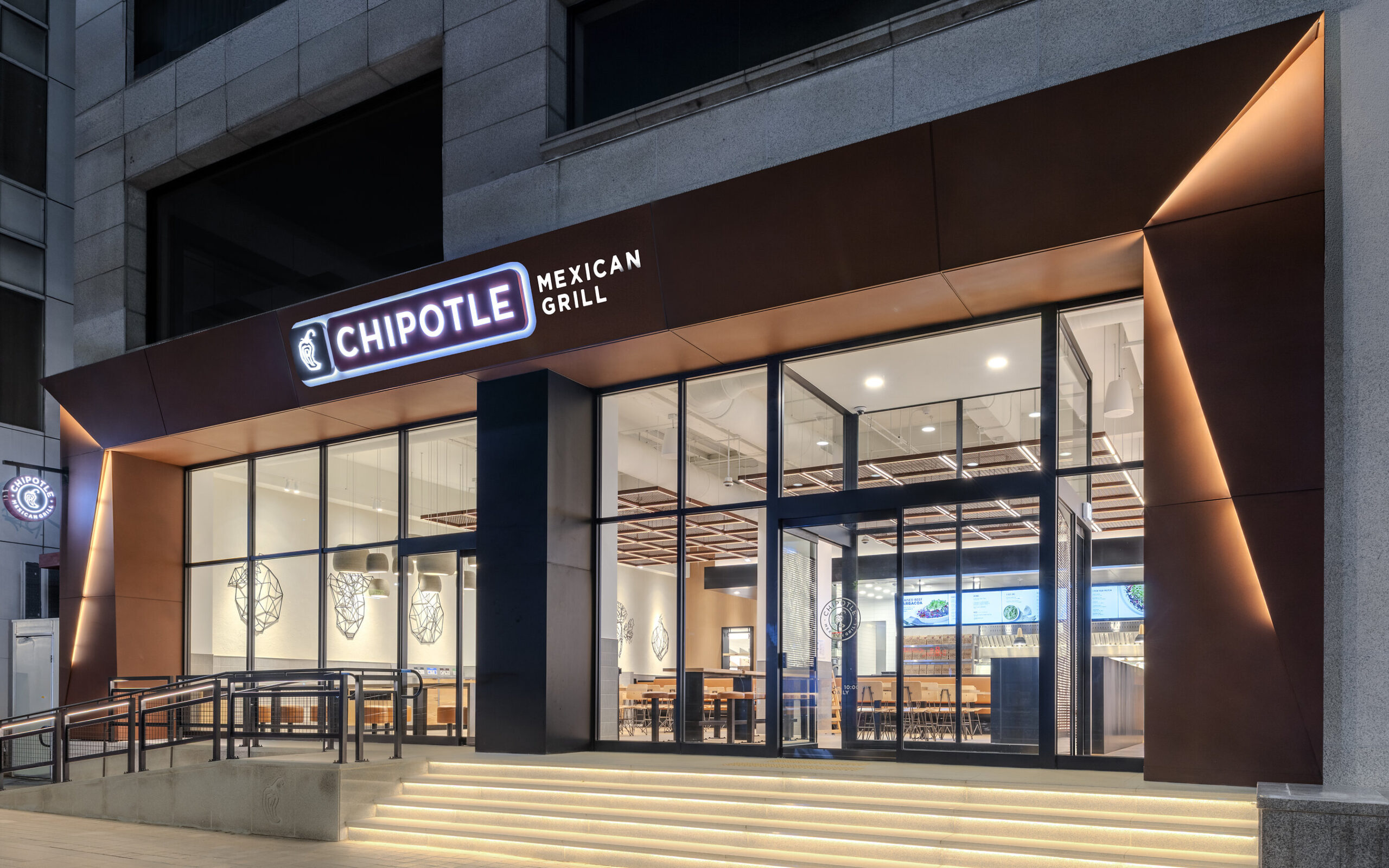
Tesla operates 16 official service centers across South Korea, but only two company operated facilities can perform major collision work involving body repairs and painting. Another 12 independent repair businesses are certified by Tesla for accident repairs, leaving 14 locations nationwide capable of handling that work.
Parts availability adds another constraint. Repair businesses have reported difficulty obtaining some components, which can delay repairs even when owners are ready to bring in their vehicles.
The service problem is not limited to accident damage.
Tesla Korea’s own repair records show that some mechanical and electrical problems have also taken extended periods to resolve. Data the company submitted to Park Yong gap, a lawmaker on South Korea’s National Assembly committee overseeing transportation, covered 4,637 repairs involving Tesla battery management systems between August 2020 and September 2025.
Nearly half of those repairs took at least 15 days, while more than one fifth required between one and three months.
The figures provide a broader measure of the strain on Tesla’s after sales operation than individual complaints can. They show that long repair times have occurred across thousands of service cases rather than only in isolated accident repairs.
The contrast with Hyundai Motor Group, the South Korean automaker behind Hyundai and Kia, is notable. Repairs involving the integrated charging control units used in the group’s electric vehicles have taken an average of about 1.3 days, with even the longest cases completed within 60 days.
The components are different, but the comparison highlights how much repair speed can vary between automakers operating in the same market.
That matters because every new vehicle sold creates years of demand for parts, maintenance and repairs. When the fleet grows much faster than the infrastructure behind it, higher sales can put even more pressure on the same service system customers will eventually need.
Established imported brands have spent years building that infrastructure in South Korea.
Mercedes Benz has about 830,000 vehicles on Korean roads and 74 service locations capable of collision repairs. BMW has about 770,000 vehicles in operation and provides collision repair work at 45 of its 82 service centers. Vehicles taken to other BMW locations can also be transferred to affiliated repair facilities.
Both German automakers maintain large parts logistics centers in South Korea, allowing replacement components to be stocked inside the country and distributed through their service networks. Tesla is not known to operate a comparable domestic parts logistics center.
The difference is more important than the raw number of repair shops.
Mercedes Benz and BMW have spent years building warehouses, repair facilities and parts distribution systems that remain largely invisible when a customer is choosing a new car. Their value becomes obvious only after an accident or component failure.
That infrastructure can also become a competitive advantage as newer EV makers take market share.
Tesla can challenge established automakers on technology, performance and brand appeal, but a repair network cannot be expanded as quickly as vehicle deliveries. Parts inventories, trained technicians and collision repair capacity require investment long after the first cars have been sold.
China’s BYD is discovering another side of the same problem as it expands in South Korea.
BYD, one of the world’s largest electric vehicle manufacturers, has faced criticism over accident repair costs. Recent cases circulating online included roughly $2,500 in repairs for a Dolphin priced around $18,300 and about $8,000 for a Sealion 7 priced near $33,000.
Much of the criticism centered on the amount of labor assigned to the repairs. BYD Korea, the Chinese automaker’s local unit, said the damage extended beyond what could be seen from the exterior and required work on internal structures as well as the removal and reinstallation of major components.
The company also said its estimates use labor time data from Audatex, an international collision repair estimating system.
Tesla and BYD are therefore encountering different weaknesses after the sale. Tesla faces questions about whether owners can get repairs and parts quickly enough as its fleet expands. BYD faces questions about how much those repairs may cost relative to the price of the vehicle.
Mercedes Benz and BMW face their own pressure from faster growing EV competitors, but their established service and parts networks give them something that cannot be replicated simply by cutting vehicle prices or launching a new model.
That could matter most when customers return to buy their next car.
Technology, performance and price can persuade a buyer to switch brands once. But a customer who spends weeks waiting for repairs, struggles to obtain parts or receives a repair bill equal to a substantial share of the vehicle’s value may look at the next purchase differently.
Tesla and BYD have shown that newer EV makers can win customers quickly in South Korea. The harder task is keeping them.
If their after sales operations fail to match the pace of their vehicle sales, the repair and parts networks that established automakers spent decades building may become one of the strongest reasons customers choose a different badge the next time they buy a car.