Authorities in South Korea have launched a sweeping crackdown on counterfeit goods in Seoul, amid growing concerns that the city could emerge as a distribution hub for high-end imitations targeting foreign tourists.
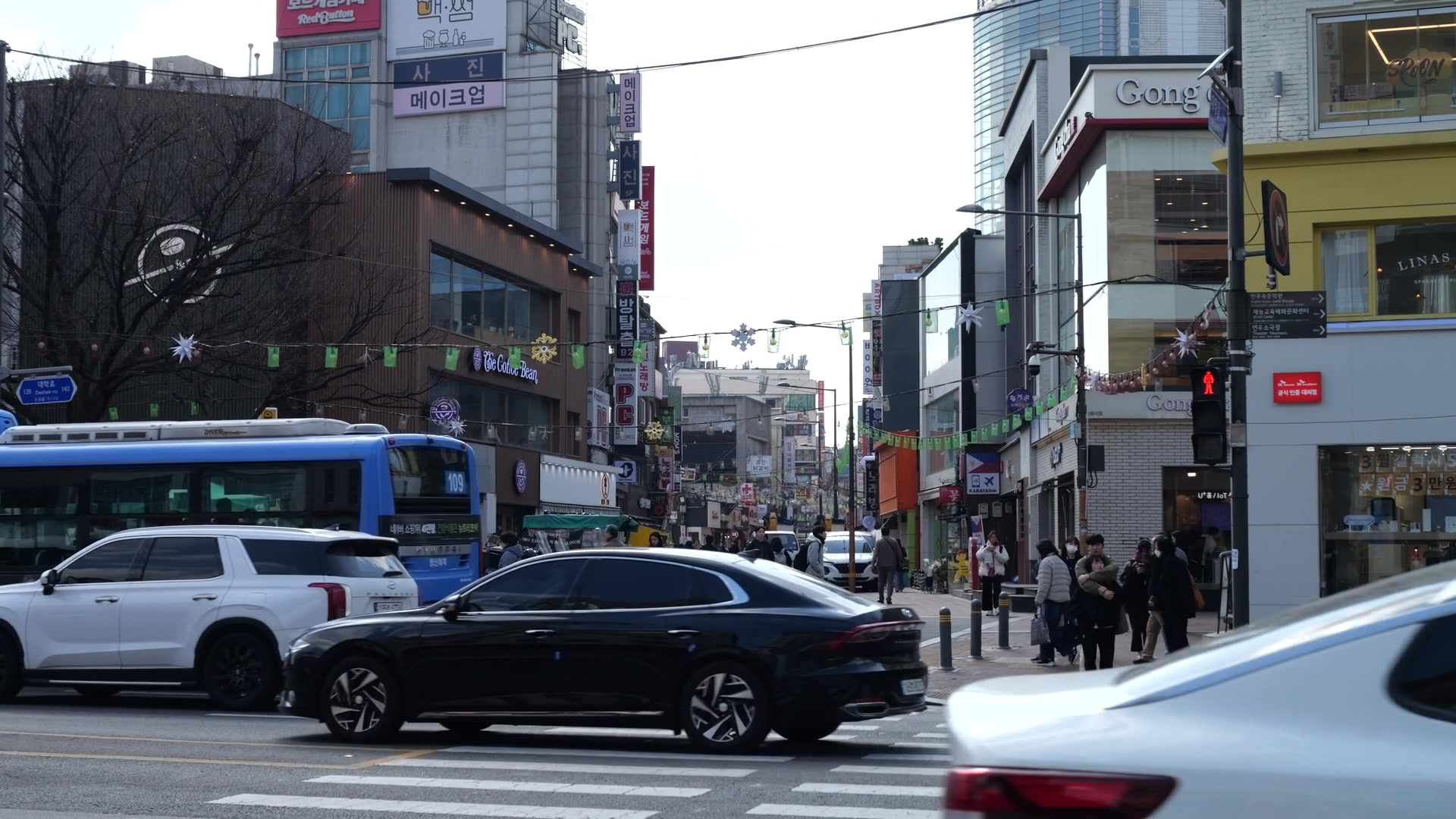
The enforcement action centered on Dongdaemun, a major retail district known for its dense concentration of fashion wholesalers and heavy international foot traffic. Investigators say the area has become a focal point for increasingly sophisticated counterfeit operations designed to blend into legitimate commerce.
Following a six-month undercover investigation, officials seized 1,649 counterfeit items, including handbags, wallets and watches bearing well-known luxury trademarks. The goods would have been worth an estimated $48 million if genuine, marking one of the largest such seizures in the city.
Authorities said the operation had spent nearly a decade building what appeared to be a legitimate retail presence. The group occupied a large section of a shopping complex, selling everyday travel goods while storing counterfeit inventory in concealed facilities and a nearby residence.
The business model was tailored to overseas demand. Rather than targeting local customers, the operators focused on foreign tourists, offering counterfeit products only upon request instead of displaying them openly. Transactions were often facilitated through tour guides, enabling group purchases and consistent sales volume.
To avoid detection, the group installed more than 10 surveillance cameras to monitor activity in and around the store in real time. Investigators were nonetheless able to track the network and carry out coordinated raids.
The case highlights a broader shift in how counterfeit goods are distributed—becoming more selective, less visible and increasingly tied to tourism-driven retail channels. For global luxury brands, such operations pose not only intellectual property risks but also reputational challenges, particularly in markets where consumers may struggle to distinguish high-quality imitations from authentic products.
Under South Korean law, individuals involved in the production or sale of counterfeit goods face penalties of up to seven years in prison or fines of up to $68,000. Authorities said enforcement efforts will continue as they respond to more advanced and organized counterfeit networks operating in major commercial districts.