Samsung Electronics, South Korea’s largest technology company, is using this year’s Galaxy Unpacked event to demonstrate how artificial intelligence is becoming the foundation of its entire Galaxy product lineup rather than simply another smartphone feature.
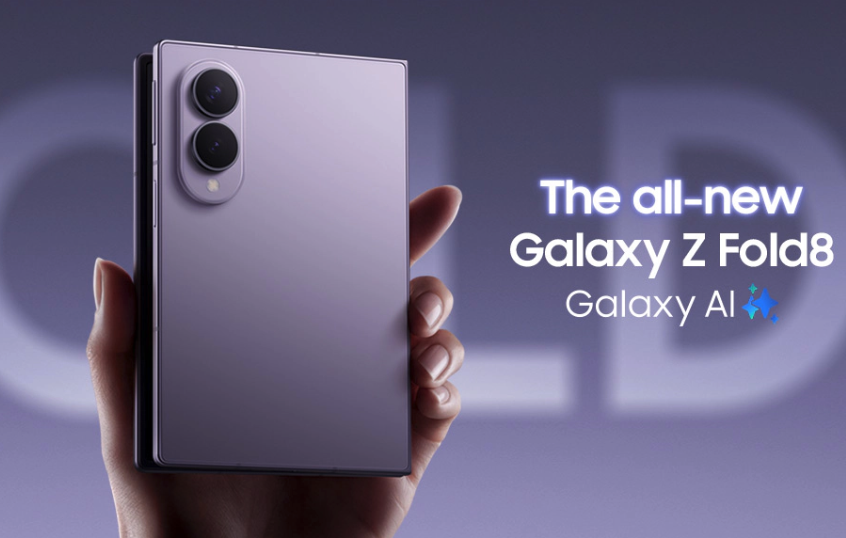
The company is expected to unveil the Galaxy Z Fold 8, Galaxy Z Fold 8 Ultra, Galaxy Z Flip 8 and new Galaxy Watch models in London. It is also widely expected to preview its first smart glasses, developed with Google and Gentle Monster, a South Korean eyewear company known for its fashion-focused designs.
Taken individually, none of those products represents a major shift for Samsung. Foldable phones, smartwatches and Galaxy AI are already part of its business. What makes this year’s event different is that Samsung is bringing those products together under a strategy in which AI becomes the common layer connecting every major Galaxy device.
That reflects how competition in consumer electronics is changing. AI is no longer judged solely by what it can do inside a smartphone. Technology companies are increasingly competing over how seamlessly AI can operate across multiple devices, allowing information, services and user interactions to move naturally from one product to another.
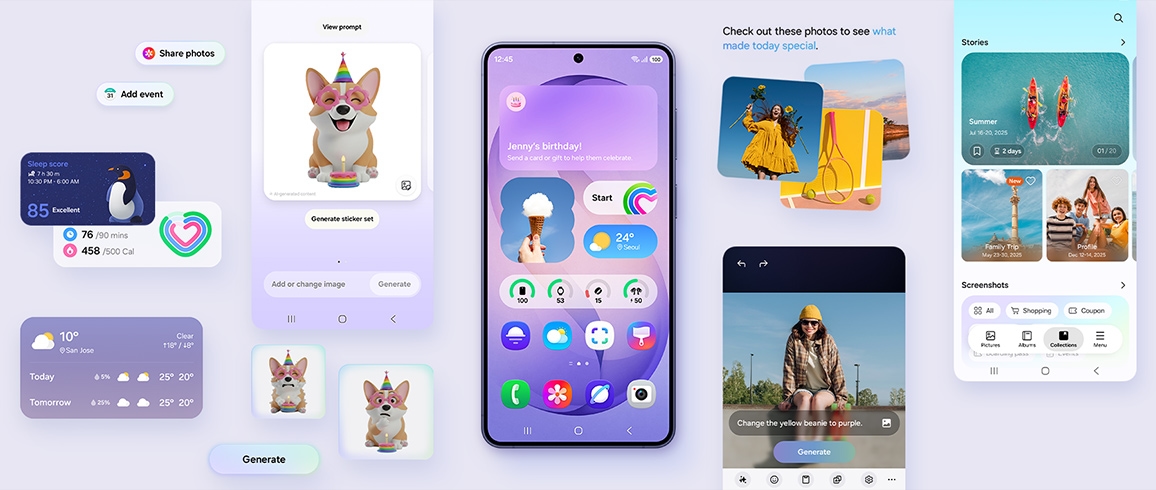
Samsung has spent the past year expanding Galaxy AI across its mobile devices with features such as live translation, writing assistance and AI-powered image editing. This year’s Unpacked event signals the next stage of that strategy, shifting the focus from adding more AI features to individual products toward creating an ecosystem in which AI works consistently across the Galaxy lineup.
The expected smart glasses illustrate that direction. Rather than positioning the device as a replacement for smartphones, Samsung appears to be treating it as another access point for Galaxy AI. Cameras, microphones and on-device sensors would allow users to receive translations, identify objects and interact with AI without constantly looking at a phone screen.
Google is expected to provide the underlying AI software, while Gentle Monster contributes its expertise in eyewear design. Samsung brings together those technologies through its hardware development, manufacturing capabilities and Galaxy ecosystem.
The foldable phones unveiled at the event serve the same strategy. The Galaxy Z Fold 8 and Galaxy Z Fold 8 Ultra are expected to deliver larger displays and upgraded hardware that support increasingly AI-driven experiences, while the Galaxy Watch lineup extends those capabilities to wearable devices already connected to Galaxy smartphones.
Rather than introducing a single breakthrough product, Samsung is presenting AI as the technology that ties its hardware portfolio together. The company’s strategy suggests that future competition in consumer electronics may depend less on individual devices than on how effectively AI connects them into a unified user experience.
This year’s Galaxy Unpacked event is therefore not simply another smartphone launch. It is Samsung’s clearest effort yet to position Galaxy AI as the central platform linking every major device in its consumer ecosystem, from phones and watches to its first generation of smart glasses.
Samsung Uses Galaxy Unpacked to Recast AI as the Center of Its Hardware Strategy
Samsung Electronics, South Korea’s largest technology company, is using this year’s Galaxy Unpacked event to demonstrate how artificial intelligence is becoming the foundation of its entire Galaxy product lineup rather than simply another smartphone feature.
The company is expected to unveil the Galaxy Z Fold 8, Galaxy Z Fold 8 Ultra, Galaxy Z Flip 8 and new Galaxy Watch models in London. It is also widely expected to preview its first smart glasses, developed with Google and Gentle Monster, a South Korean eyewear company known for its fashion-focused designs.
Taken individually, none of those products represents a major shift for Samsung. Foldable phones, smartwatches and Galaxy AI are already part of its business. What makes this year’s event different is that Samsung is bringing those products together under a strategy in which AI becomes the common layer connecting every major Galaxy device.
That reflects how competition in consumer electronics is changing. AI is no longer judged solely by what it can do inside a smartphone. Technology companies are increasingly competing over how seamlessly AI can operate across multiple devices, allowing information, services and user interactions to move naturally from one product to another.
Samsung has spent the past year expanding Galaxy AI across its mobile devices with features such as live translation, writing assistance and AI-powered image editing. This year’s Unpacked event signals the next stage of that strategy, shifting the focus from adding more AI features to individual products toward creating an ecosystem in which AI works consistently across the Galaxy lineup.
The expected smart glasses illustrate that direction. Rather than positioning the device as a replacement for smartphones, Samsung appears to be treating it as another access point for Galaxy AI. Cameras, microphones and on-device sensors would allow users to receive translations, identify objects and interact with AI without constantly looking at a phone screen.
Google is expected to provide the underlying AI software, while Gentle Monster contributes its expertise in eyewear design. Samsung brings together those technologies through its hardware development, manufacturing capabilities and Galaxy ecosystem.
The foldable phones unveiled at the event serve the same strategy. The Galaxy Z Fold 8 and Galaxy Z Fold 8 Ultra are expected to deliver larger displays and upgraded hardware that support increasingly AI-driven experiences, while the Galaxy Watch lineup extends those capabilities to wearable devices already connected to Galaxy smartphones.
Rather than introducing a single breakthrough product, Samsung is presenting AI as the technology that ties its hardware portfolio together. The company’s strategy suggests that future competition in consumer electronics may depend less on individual devices than on how effectively AI connects them into a unified user experience.
This year’s Galaxy Unpacked event is therefore not simply another smartphone launch. It is Samsung’s clearest effort yet to position Galaxy AI as the central platform linking every major device in its consumer ecosystem, from phones and watches to its first generation of smart glasses.