Hyundai Steel, a major South Korean steelmaker and the steelmaking affiliate of Hyundai Motor Group, is putting the core production equipment from an indefinitely idled plant on the global market as it accelerates a shift away from low return capacity and toward higher value steel used in industries such as automobiles.
Hyundai Steel joined Hyundai Motor Group alongside Hyundai Motor and Kia in 2001 and has since built automotive materials into one of its core businesses.
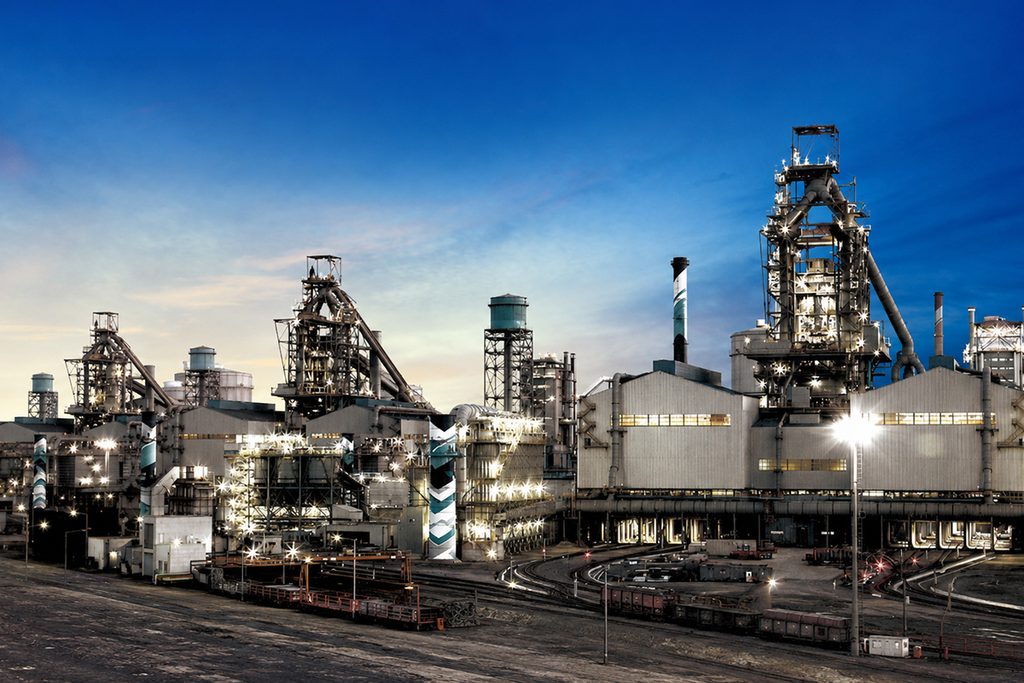
The sale goes well beyond clearing unwanted machinery from the Pohang No. 2 plant. Hyundai Steel is offering equipment covering steelmaking, casting and rolling, essentially the production system needed to turn scrap into finished structural steel. A completed sale would make it difficult to restore the plant to its former role and would mark another step in removing capacity that has struggled to earn sufficient returns.
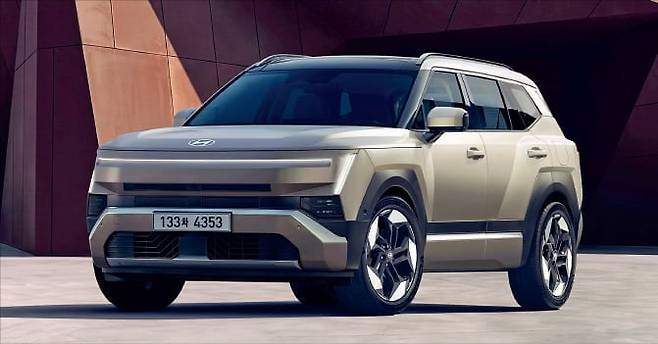
The shift matters beyond South Korea because Hyundai Steel sits inside the same industrial group as Hyundai Motor and Kia while operating a steel business increasingly focused on automotive materials. The company produces steel for vehicle body panels, lightweight components and specialty applications. Its decision to remove capacity tied to weaker structural steel demand while continuing to invest in automotive steel offers a clear indication of which parts of its portfolio it expects to carry forward.
Pohang No. 2 has been shut indefinitely since June 2025 after a prolonged slowdown in the steel market and declining demand for structural products. Hyundai Steel had considered halting the plant in late 2024 but kept it operating at reduced levels following discussions with its labor union. Demand remained too weak to sustain production.
The company continued maintaining the equipment after the shutdown, preserving the possibility that the mill could eventually restart. Putting the core machinery up for sale changes that equation.
Hilco Industrial, a global industrial asset sales company, is handling the process, with bids due Nov. 27. The equipment can be purchased as a complete package or as separate production lines.
The assets include an electric arc furnace capable of handling about 132 to 143 U.S. short tons per batch, along with equipment used to refine molten steel and remove gases before casting. A six strand continuous caster that produces semifinished steel is also part of the sale.
Hyundai Steel is also offering a medium section rolling line capable of producing about 584,000 short tons a year. The line includes reheating, rolling, straightening, cutting, cooling and stacking equipment used to manufacture products such as H beams, angles, round bars and track shoes.
Those products are largely tied to construction and other industrial markets. Hyundai Steel describes H beams and similar sections as structural products widely used in large buildings and civil engineering projects.
Removing the equipment would cut the cost of maintaining a plant that is no longer producing steel. More importantly, it would remove a large block of production capacity from a part of Hyundai Steel’s portfolio where demand has weakened.
Pohang is not an isolated case.
Hyundai Steel previously hired Hilco to market equipment from an electric arc furnace based hot rolled steel operation at its Dangjin steelworks. The company decided in 2020 to exit that business after profitability deteriorated, leaving the equipment idle for years.
That sale included an electric arc furnace capable of handling about 165 U.S. short tons per batch, along with refining and casting equipment and a compact production line combining continuous casting with hot rolling.
The repeated asset sales show Hyundai Steel moving beyond temporary production cuts. Equipment connected to businesses that no longer justify their cost is increasingly being removed rather than simply left idle in the hope that demand eventually returns.
At the same time, Hyundai Steel continues to invest in operations serving higher value markets.
In March, the company completed an upgrade of a continuous galvanizing line at its Dangjin cold rolling plant, improving process controls and automation for cold rolled and coated steel. Hyundai Steel has identified automotive materials as a major part of its product strategy, producing body panels, lightweight vehicle components and specialty steel for automotive applications.
That makes the Pohang sale part of a portfolio shift rather than a simple contraction.
Hyundai Steel is reducing the burden of structural steel capacity weakened by poor demand while continuing to put capital into products with greater value and stronger links to automobile manufacturing. The earlier Dangjin equipment sale shows the same willingness to dispose of production lines that no longer fit that strategy.
The Pohang No. 2 plant is now moving from indefinite shutdown toward something more difficult to reverse. Once the furnace, caster and rolling line are gone, Hyundai Steel will have done more than reduce production. It will have removed much of the physical capacity behind a lower return part of its business.
That is the broader significance of the sale. Hyundai Steel is no longer waiting for every part of the steel market to recover. It is deciding which businesses remain worth owning and directing more of its resources toward the steel products it expects to matter most.