As the use of artificial intelligence to cheat on exams raises concerns worldwide, an investigation in South Korea has shed light on the commercial market behind such misconduct, uncovering a network of equipment vendors, online sales channels and cryptocurrency payments.
Bonanza Factory, a South Korean blockchain analytics firm, said Thursday that eight cryptocurrency wallets associated with sellers of exam cheating devices had received more than $2 million in Tether (USDT), a stablecoin designed to maintain parity with the U.S. dollar.
The investigation highlights how AI exam cheating extends beyond the unauthorized use of software. Specialized electronic devices are being sold through online communities, presenting another challenge to educational institutions and professional testing organizations seeking to maintain the integrity of their exams.
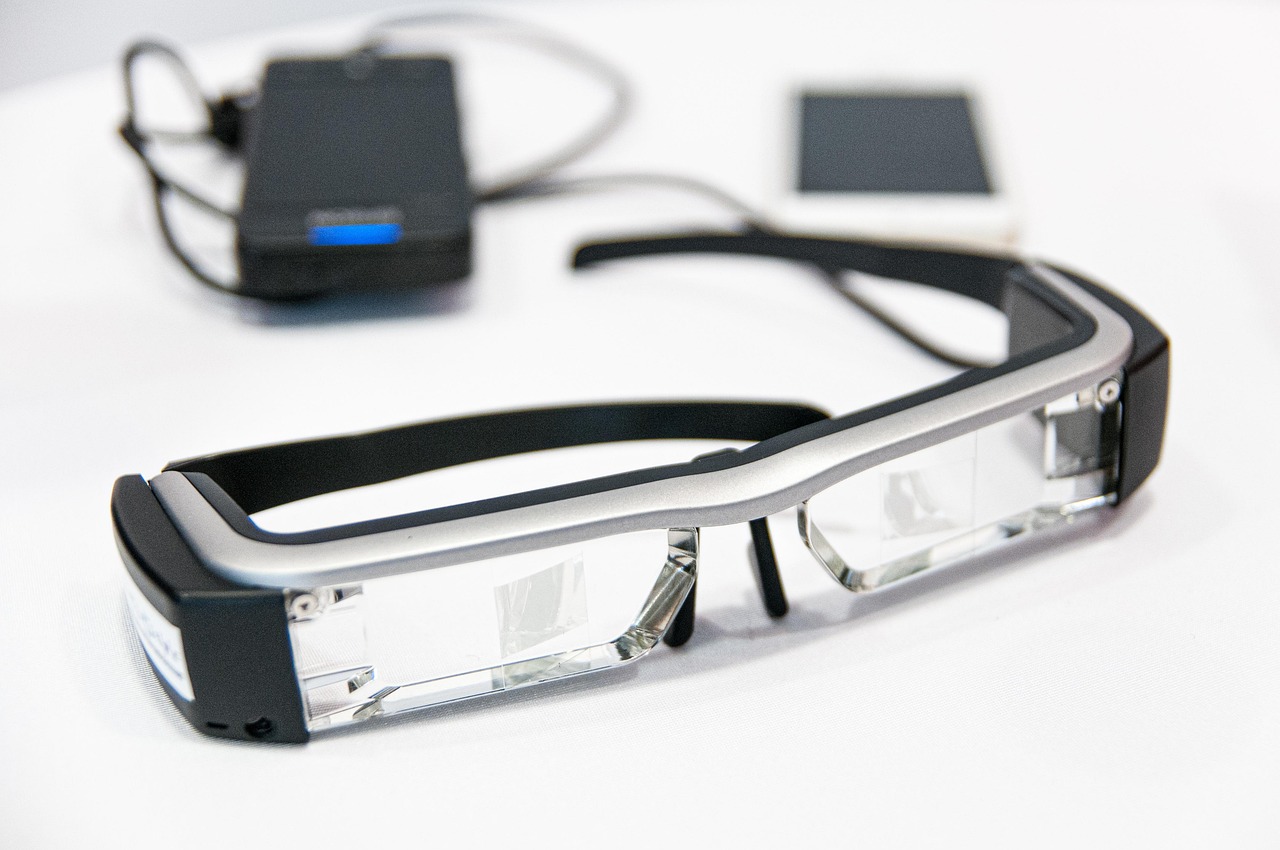
Bonanza Factory examined 34 Telegram groups with a combined membership of 111,749. Vendors operating through these groups sold smart glasses, miniature earpieces and cameras disguised as clothing buttons.
Investigators identified eight cryptocurrency wallets that had received a combined 2,075,429 USDT as of November 24. Most of the funds were transferred through the Tron blockchain network.
The entire amount could not be classified as equipment sales revenue because some wallets were suspected of being used for cryptocurrency exchange services.
However, three wallets confirmed to have directly received payments from equipment sales collected 131,536 USDT, equivalent to about $132,000, across 408 transactions. Most payments were consistent with equipment prices, which ranged from 50 to 400 USDT.
Unidentified personal and intermediary wallets accounted for 69.4% of those transactions. Overseas cryptocurrency exchanges accounted for another 20.8%, while the remaining 9.8% involved cryptocurrency payment service Okpay.
Bonanza Factory said the identified payments represented the minimum volume of transactions associated with equipment sales. Investigators were unable to obtain wallet addresses from all 34 Telegram groups, while vendors also accepted gift cards and payments through Chinese digital payment platforms Alipay and WeChat Pay.
The investigation also examined 513,887 cryptocurrency wallet addresses associated with four South Korean cryptocurrency exchanges, Upbit, Bithumb, Coinone and DigitalX.
Investigators found no traceable transactions connecting those exchanges to the equipment vendors, either directly or through up to two intermediary wallets.
Bonanza Factory explained that the absence of such records did not rule out purchases by South Korean customers. Transactions involving overseas cryptocurrency exchanges can obscure the original source of funds, limiting investigators’ ability to trace payments.
Although the investigation uncovered substantial financial activity surrounding the sale of AI exam cheating equipment, the actual size of the market and the geographic distribution of its customers remain unknown.