Samsung Electronics, South Korea’s largest technology company and the maker of Galaxy smartphones, memory chips and consumer electronics, is becoming one of the biggest beneficiaries of the artificial intelligence boom.
But the company’s biggest opportunity is also exposing one of its biggest challenges.
Demand for AI infrastructure has turned advanced memory chips into one of the technology industry’s most valuable assets, helping Samsung’s semiconductor business drive record performance. At the same time, the Galaxy smartphone business that made Samsung a household name around the world is facing rising costs and slowing momentum.
That divide is putting more pressure on Samsung’s next major product event.
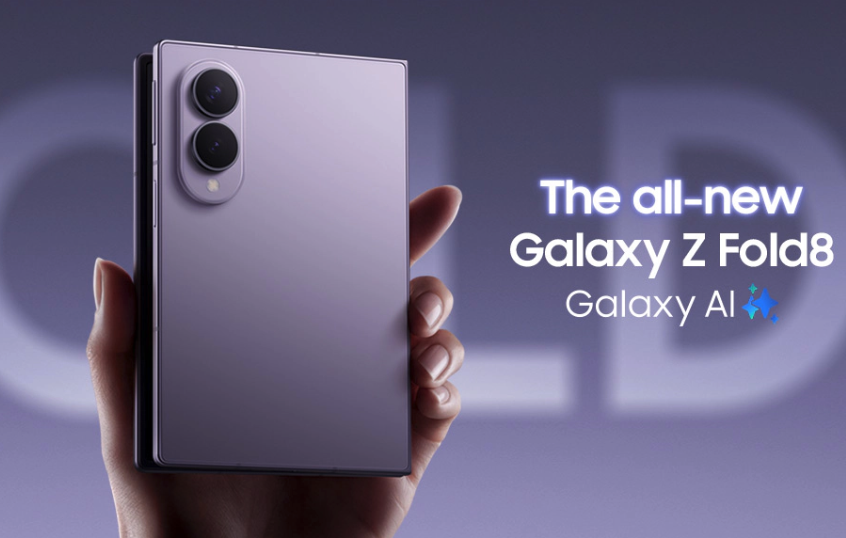
The company is preparing to unveil its Galaxy Z8 foldable smartphone lineup at Galaxy Unpacked in London on July 22. The event is not simply about introducing another generation of phones. It is a test of whether Samsung can transform Galaxy from a traditional smartphone business into a major platform for the AI era.
The lineup is expected to include the Galaxy Z Flip8, Galaxy Z Fold8 and a new model tentatively called the Galaxy Z WideFold. The new device is expected to feature a wider 4:3 display format designed to improve multitasking, content viewing and AI-powered functions.
Samsung’s challenge comes from an unusual contradiction inside its own business.
The same surge in memory chip prices that is strengthening Samsung’s semiconductor division is creating pressure for its mobile division. As AI data centers increase demand for advanced chips, rising memory prices are also making smartphones more expensive to produce.
The pressure is changing the economics of the global smartphone market. Lower-priced phones are becoming harder to manufacture profitably because memory represents a larger share of their total cost, while premium devices have more room to absorb higher component prices.
According to market research firm Omdia, memory accounted for 26% of production costs for smartphones priced above $800 in the first quarter, up from 11% in the third quarter of last year. For smartphones below $400, the figure climbed to around 60%.
That shift is pushing smartphone makers toward premium models, where Samsung hopes foldables can become a stronger advantage.
The Galaxy Z8 series represents Samsung’s attempt to prove that foldable phones are not only a different design but a better format for AI-powered devices. Larger screens create more space for AI tools, multitasking and productivity features that traditional smartphones struggle to deliver.
For Samsung, the opportunity comes at a critical time. Chinese smartphone makers have increased pressure on Android competitors through aggressive pricing and rapid hardware upgrades. But higher component costs could weaken that strategy and give Samsung more room to compete in the premium segment.
Samsung is expected to strengthen the new foldable lineup with increased use of Qualcomm Snapdragon processors, depending on the market, while expanding AI capabilities through the latest version of its Galaxy software platform, One UI.
The company needs those changes to translate into financial results.
While Samsung’s semiconductor division is benefiting from the global AI race, its Device eXperience division, which includes smartphones and home appliances, has struggled with weaker profitability due to rising component and material costs.
That is why Samsung is already preparing beyond smartphones.
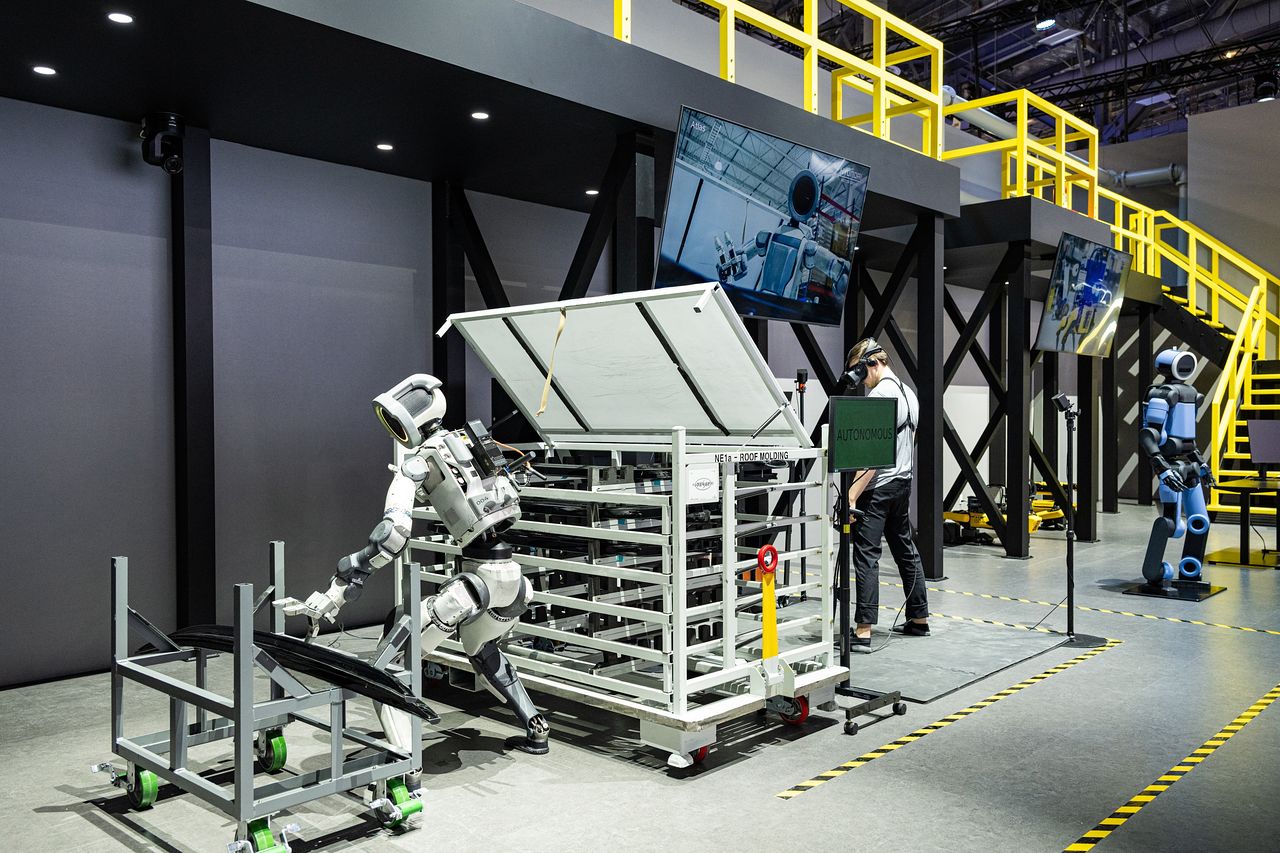
The company is expected to introduce AI glasses developed with Google and is expanding investment into robotics and physical AI. Samsung is also building AI-based manufacturing systems, including plans to introduce digital twins, AI production agents and advanced robots across its factories.
The strategy reflects a larger shift inside Samsung. The company does not want to remain only a supplier of the chips powering the AI revolution. It wants its consumer products to become part of that revolution as well.