South Korea’s escalating housing affordability crisis cannot be solved through taxes, regulations or financial restrictions alone. The country must build more homes—and build them quickly.
That message is increasingly emerging from policymakers as home prices in Seoul and surrounding metropolitan areas continue to face upward pressure despite years of government intervention.
Kim Yong-beom, policy chief at the presidential office, recently delivered one of the clearest statements yet on the issue, arguing that supply shortages have become the central challenge confronting South Korea’s housing market.
“Supply and demand is what matters most,” Kim said at a policy forum. “My biggest concern is housing. People are struggling with rents and leases. We need to build.”
His remarks reflect growing recognition within government that the country’s housing imbalance is no longer cyclical but structural.
For years, South Korea relied heavily on regulatory measures—including lending restrictions, transaction taxes and ownership-related taxes—to cool speculative demand. While such policies occasionally slowed price increases, they failed to address a more fundamental problem: not enough homes are being built in the places where people want to live.
The shortage became more pronounced during 2023 and 2024, when high interest rates and stress in project-financing markets sharply reduced residential development activity. Developers struggled to secure funding, construction projects were delayed, and housing starts fell significantly below historical averages.
According to government officials, housing supply during that period dropped roughly 30% to 40% below normal levels.
The consequences are now becoming visible.
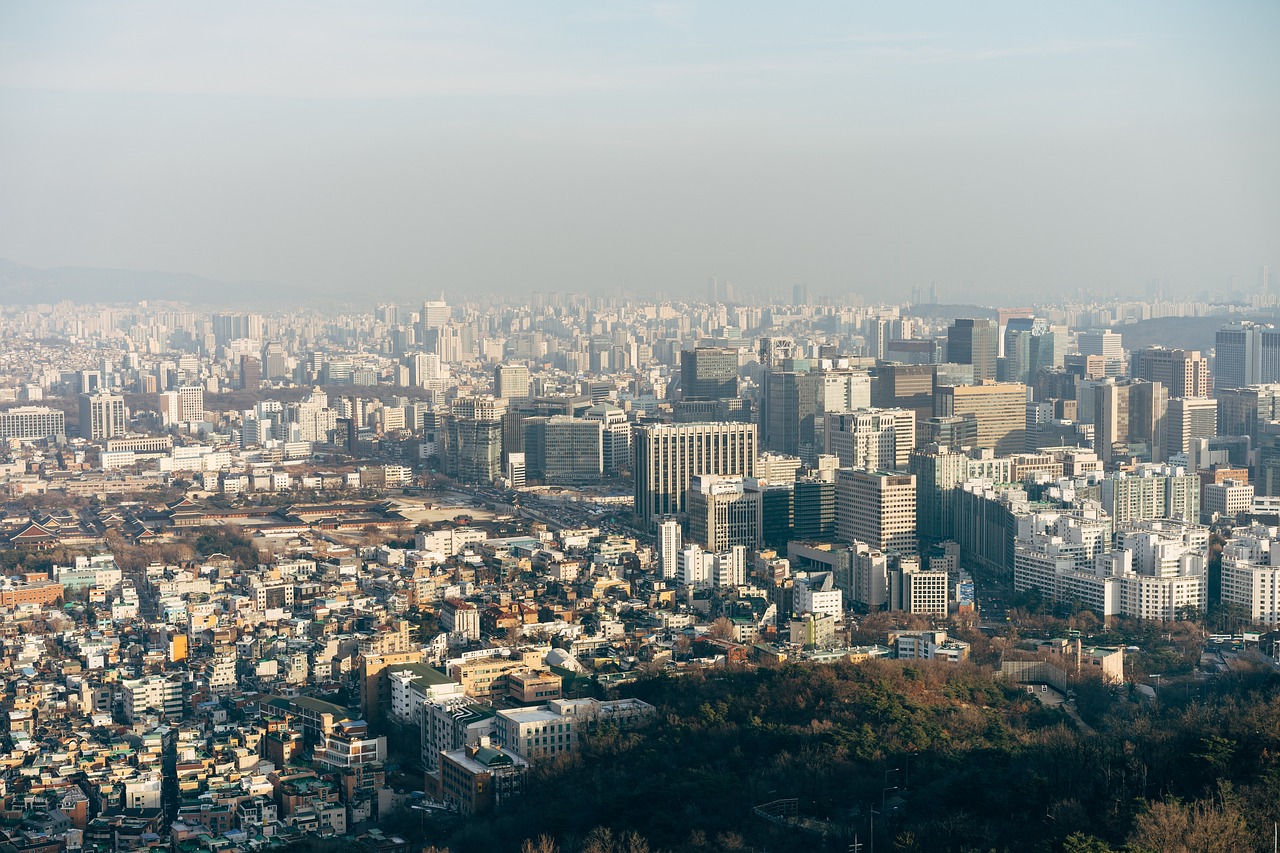
Demand remains concentrated in Seoul and its surrounding metropolitan region, where economic opportunities, educational institutions and transportation infrastructure continue to attract younger households. Yet the pace of new housing construction has failed to keep up with population concentration and household formation.
At the same time, South Korea’s broader economic outlook is improving. Strong global demand for advanced semiconductors has boosted exports and strengthened expectations for economic growth, potentially increasing household purchasing power and housing demand.
That combination—a tightening supply environment alongside improving economic conditions—creates a risk of renewed price acceleration.
Housing economists have long argued that sustained price stability requires a larger and more predictable supply pipeline rather than periodic demand-suppression measures.
The challenge, however, extends beyond financing.
Many large-scale housing projects face delays due to local opposition. Residents frequently resist higher-density development in their neighborhoods, even as policymakers warn that limited construction is reducing housing options for younger generations.
Officials increasingly argue that balancing local concerns with broader national housing needs will be critical in the coming years.
For investors and policymakers alike, the debate highlights a broader reality facing Asia’s fourth-largest economy: housing affordability has become not only a social issue but also an economic one.
A housing market characterized by chronic shortages can constrain labor mobility, discourage household formation and widen wealth disparities. Conversely, a stable and adequately supplied housing market can support consumption, economic confidence and long-term growth.
South Korea’s policy debate is therefore shifting away from how to suppress demand and toward how to expand supply.
The emerging consensus among policymakers appears straightforward: if the country wants lasting housing stability, it must first build enough homes.