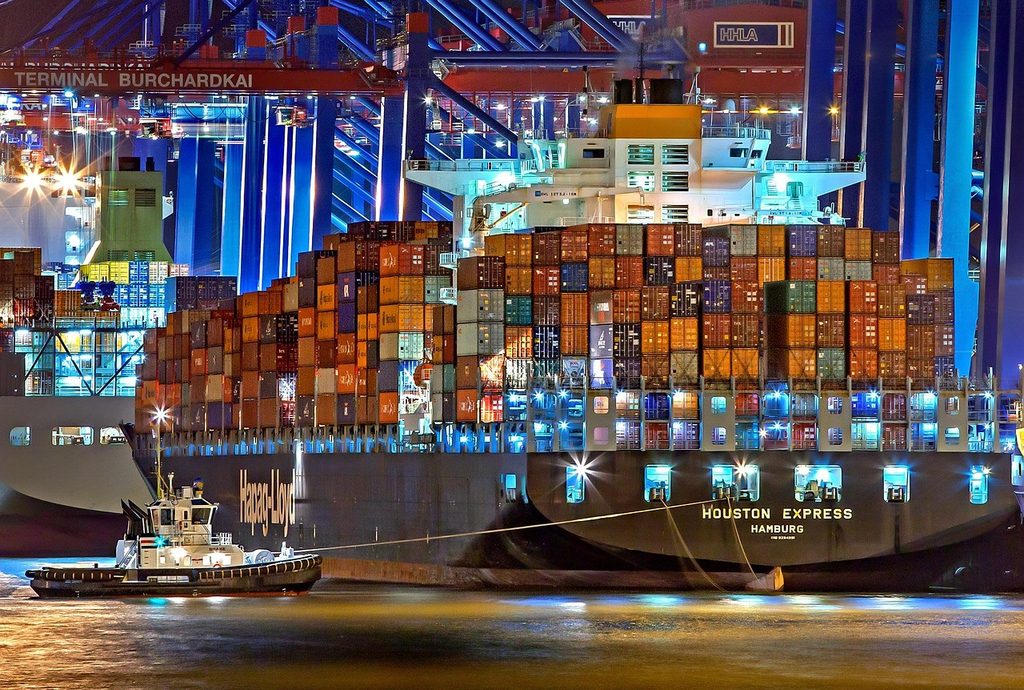
A job that pays as much as $371,000 a year in South Korea doesn’t necessarily require a corporate office or an executive title. It can mean guiding enormous cargo ships through dangerous waters, where a single navigational mistake could put vessels and cargo worth hundreds of millions of dollars at risk. And at 55, experienced sailors can still qualify to enter the profession.
The occupation is harbor piloting, a specialized maritime job that plays a critical role in international commerce. As cargo ships transport goods between Asian manufacturing centers and markets such as the United States, harbor pilots guide those vessels through the final, often most challenging, stretches of their journeys.
Their work illustrates a less visible side of global supply chains. International shipping depends not only on massive vessels and sophisticated technology but also on experienced professionals who understand local currents, water depths and complex harbor approaches. These specialists help keep commercial shipping moving through ports that connect manufacturers, exporters and importers around the world.
South Korea, one of the world’s major shipbuilding and trading nations, offers a striking example of how valuable that expertise can be.
The country’s Ministry of Oceans and Fisheries announced Wednesday that 13 candidates had passed its annual harbor pilot trainee selection examination. The oldest successful applicant was 55, while the youngest was 35. Their average age was 46.
Competition was fierce. A total of 166 people applied, leaving roughly one successful candidate for every 13 applicants.
The qualifications help explain the narrow field. Candidates must have served at least three years as captain of a vessel weighing 6,610 short tons or more. Unlike professions in which new graduates can enter directly, harbor piloting requires substantial experience commanding ships.
Passing the selection examination is only the beginning. The 13 successful candidates must complete six months of practical training at South Korean ports, boarding vessels at least 200 times. They will then need to pass another examination in 2027 to obtain their licenses and begin working as qualified harbor pilots.
The financial rewards can be considerable. South Korean maritime pilots reportedly earn an average of approximately $89,000 annually, with some earning as much as $371,000 depending on the ports where they work.
Yet the profession remains remarkably small. As of October, just 252 licensed harbor pilots were working across South Korea’s ports.
That exclusivity reflects the demands of a job in which experience and local knowledge are essential. Pilots must navigate large commercial ships through confined waterways while accounting for shifting currents, shallow waters and other hazards that can threaten vessels and their valuable cargo.
The latest recruitment results also offer a different perspective on career advancement. While many workers begin considering retirement in their 50s, veteran ship captains can use their accumulated expertise to qualify for another highly specialized occupation.
In an industry increasingly associated with massive ships and advanced technology, South Korea’s harbor pilots demonstrate that human experience remains a valuable part of keeping global trade moving.