South Korea is confronting a troubling contradiction in its fight against drunk driving. Overall violations have fallen by nearly two thirds over the past 15 years, yet cases involving motorists caught at least seven times have nearly doubled. Now, the government is turning to a new approach by expanding alcohol warning labels to explicitly discourage drunk driving.
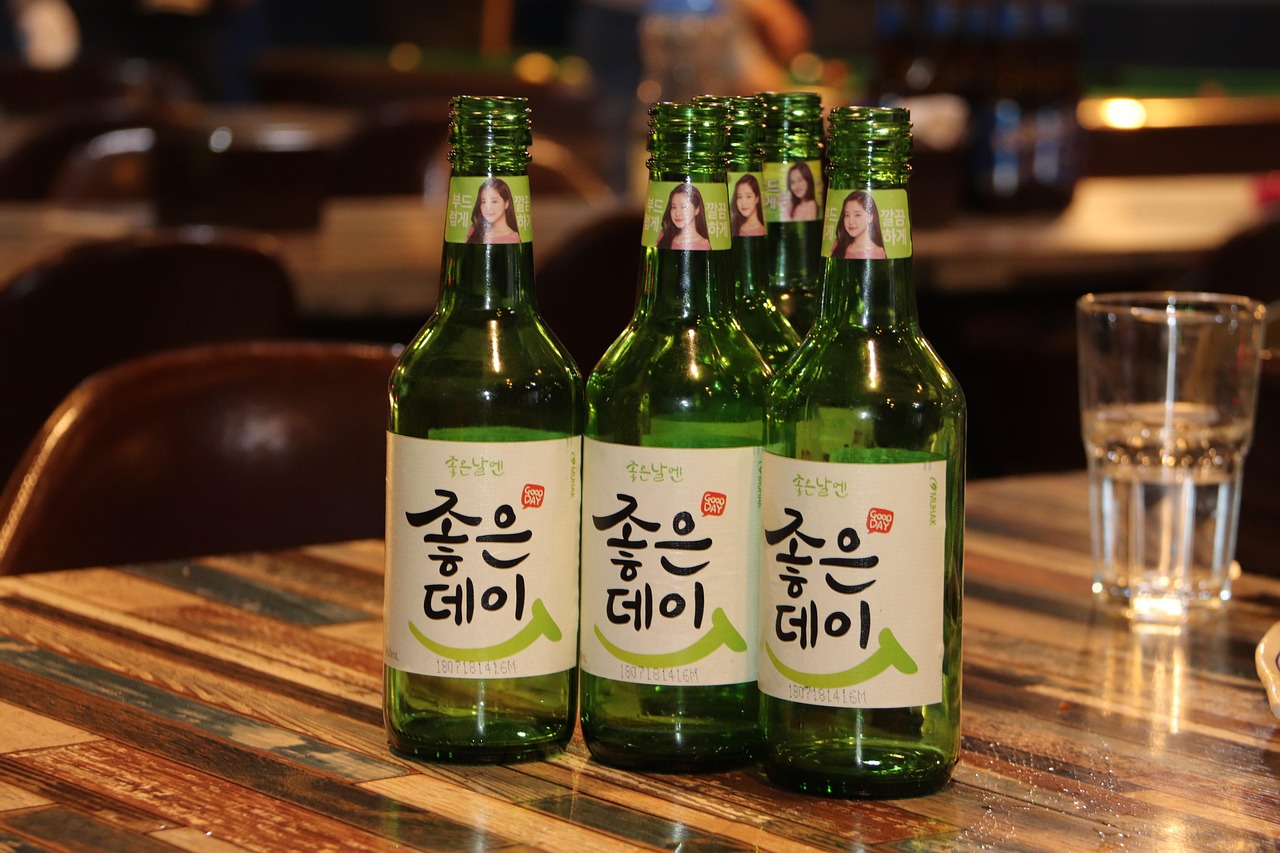
Beginning November 9, the new rules will apply to every alcoholic beverage sold or distributed in South Korea, including American whiskey and other imported spirits. The changes extend beyond domestic alcohol producers, requiring foreign liquor suppliers to comply with the country’s expanded labeling standards.
The policy raises a question that extends beyond South Korea’s borders. Can warnings printed on alcohol bottles discourage dangerous behavior, particularly among people who repeatedly violate drunk driving laws? Research suggests that consumers often overlook such messages, casting uncertainty over whether stricter labeling will deliver the results regulators seek.
According to South Korea’s National Police Agency, annual drunk driving enforcement cases dropped from 302,707 in 2010 to 106,637 in 2025. Over the same period, cases involving drivers caught seven or more times climbed from 478 to 935. Despite the overall decline in violations, the country recorded more than 10,000 drunk driving accidents last year.
The growing number of habitual offenders prompted the Ministry of Health and Welfare to strengthen existing alcohol labeling regulations. Officials said the changes are intended to reduce alcohol related traffic accidents and address persistent repeat offenses.
The new requirements mark the first time South Korea has established a legal basis for pictorial alcohol warnings since enacting its National Health Promotion Act in 1995.
Previously, alcohol containers carried written warnings about excessive drinking and drinking during pregnancy. The revised regulations add explicit warnings against drunk driving and provide for warning images alongside existing health messages.
The government has granted a six month transition period to prevent an immediate disruption to existing inventories. Alcoholic beverages shipped or declared for import before November 9 may continue to be sold until May 8, 2027.
Yet the effectiveness of the new approach remains uncertain. A 2024 study by researchers from the universities of Lille, Angers and Rennes in France found that consumers generally paid little attention to warning images and written messages on alcoholic beverages.
The findings highlight a potential weakness in relying on packaging to influence drinking behavior. Warning images may initially attract attention, but their impact could diminish as consumers become accustomed to seeing them. Their relatively small size may further limit their visibility.
South Korean authorities said they considered those concerns when developing the regulations, selecting warning images and messages after consulting experts and conducting public surveys.
The changes have also prompted some whiskey enthusiasts to purchase bottles before the new labels become widespread. Liquor retailers have reported increased interest in existing inventory, along with concerns that consumers seeking bottles without warning images could turn to overseas purchases or duty free shops.
Whether those reactions will translate into broader changes in purchasing behavior remains unclear. The new rules nevertheless extend South Korea’s alcohol policy beyond written health warnings, introducing an additional measure aimed at reducing the consequences of drinking.
Kim Han-sook, director general of health policy at South Korea’s Ministry of Health and Welfare, said the government would continue improving regulations to reduce alcohol related health damage and social costs.