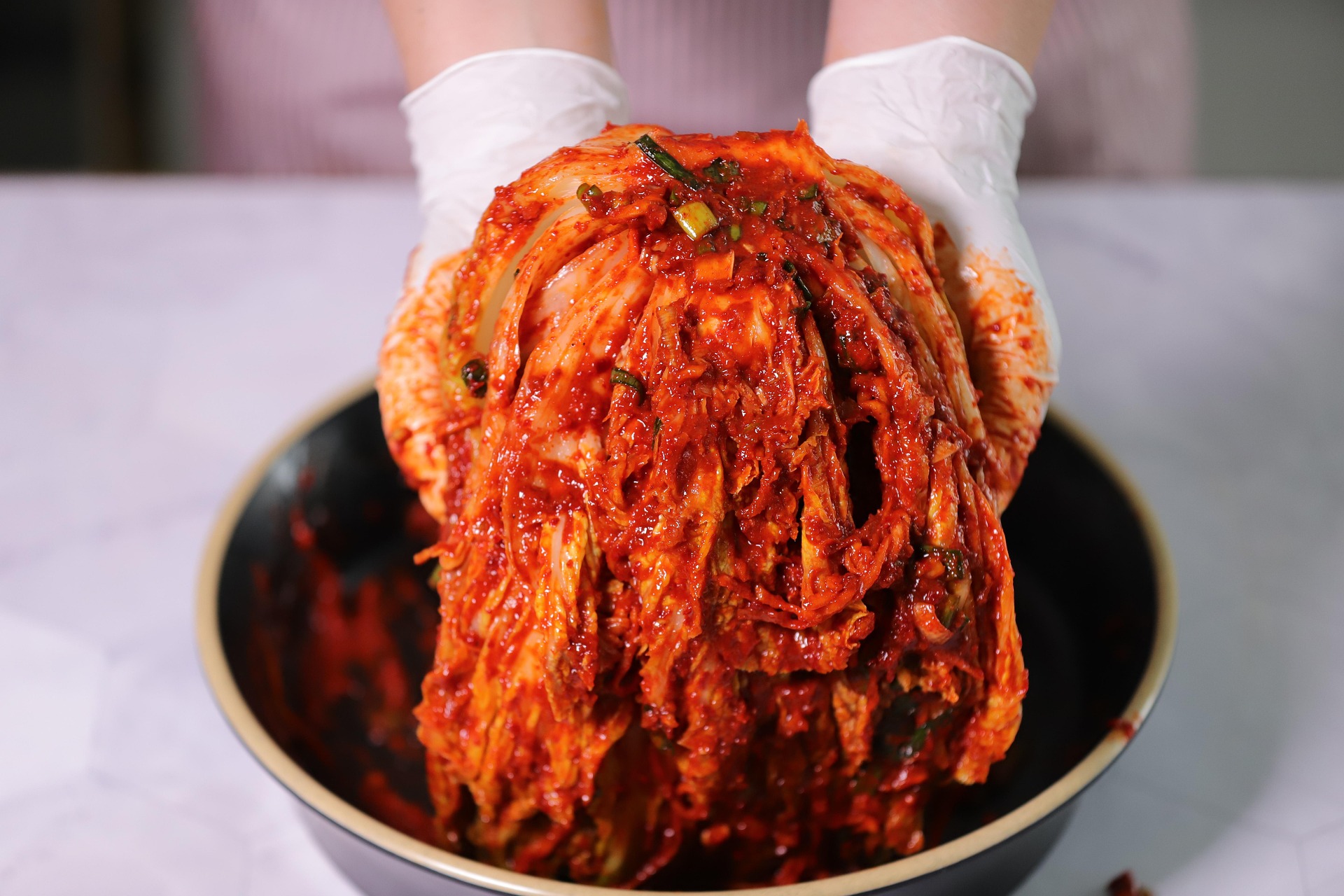
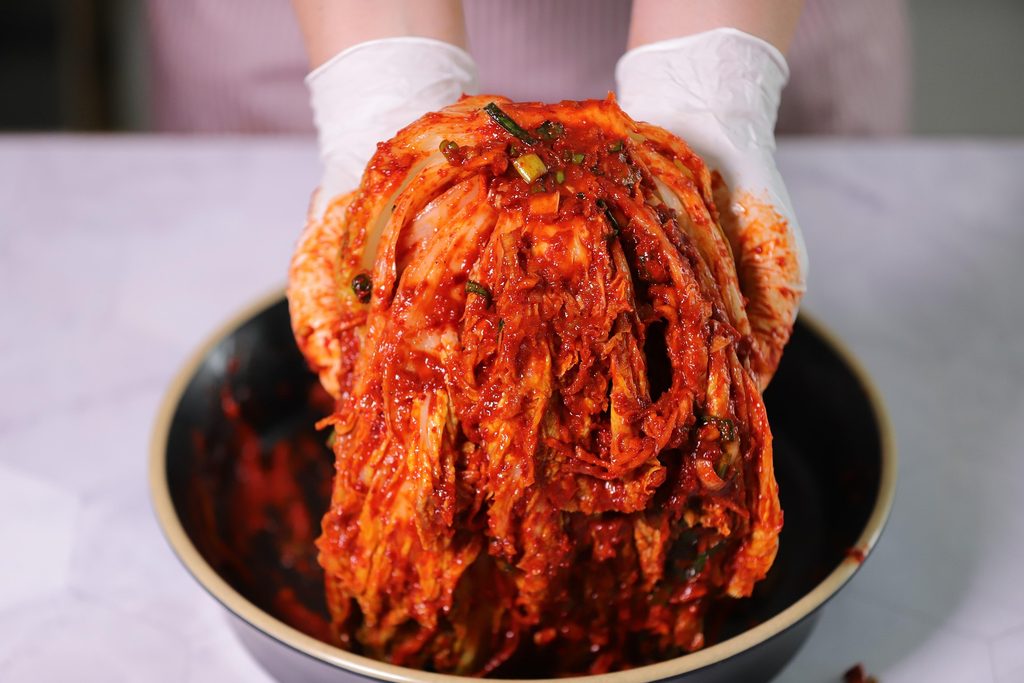
South Korea is confronting a recurring problem involving one of its most recognizable foods. Imported Chinese kimchi and ingredients are being passed off as domestically produced, prompting authorities to launch a nationwide crackdown as fresh concerns about food safety in China add to consumer unease.
The problem raises a question that extends beyond South Korea’s food industry. How reliably can consumers identify where their food comes from when imported ingredients move through manufacturers, distributors and restaurants? In South Korea, repeated violations of country of origin labeling rules have exposed weaknesses in a system intended to help consumers make informed choices.
The South Korean government announced a 31 day inspection campaign running from November 4 through December 4, targeting businesses suspected of falsely labeling imported kimchi, cabbage, chili powder, garlic and ginger as Korean products. Companies caught deliberately falsifying origins face up to seven years in prison or fines of approximately $74,500.
The campaign coincides with kimjang, a traditional Korean practice of preparing large quantities of kimchi for winter. The annual tradition drives demand for cabbage and seasonings, making the period a priority for agricultural inspectors seeking to prevent fraudulent labeling.
South Korea’s National Agricultural Products Quality Management Service, the government agency responsible for enforcing agricultural origin labeling rules, is focusing on kimchi manufacturers, food distributors, restaurants and online retailers.
The scale of previous violations explains the heightened scrutiny.
During the 2025 kimjang season, inspectors examined 47,831 businesses nationwide and uncovered 146 violations involving 142 establishments. Cabbage kimchi accounted for 119 cases, far more than any other product.
Restaurants were the most frequent offenders, accounting for 108 establishments. Authorities opened criminal cases against 101 businesses accused of deliberately misrepresenting product origins, while 41 others received administrative fines totaling approximately $15,300 for failing to display required labels.
The violations continued into 2026. During inspections ahead of the Lunar New Year holiday, authorities identified 470 businesses that violated origin labeling requirements. Cabbage kimchi again topped the list with 144 cases.
At a restaurant in Goseong County, Gangwon Province, authorities brought criminal charges after discovering that Chinese cabbage kimchi had been served to customers while the cabbage was labeled as domestically grown.
The recurring violations have coincided with separate food safety controversies involving Chinese cabbage production.
In August, the illegal use of formaldehyde to preserve cabbage freshness was uncovered in China’s Hebei Province. The chemical, classified as a known human carcinogen, raised concerns in South Korea about whether contaminated cabbage might have entered the domestic food supply.
South Korea’s Ministry of Food and Drug Safety subsequently tested 82 samples of Chinese cabbage kimchi, fresh cabbage and salted cabbage circulating in the country. None tested positive for formaldehyde. Officials also confirmed that cabbage from the affected Chinese region had not been exported to South Korea.
Another incident emerged in February when a worker at a Chinese salted cabbage processing facility was found smoking and spitting during production. Chinese authorities fined the factory’s owner approximately $14,900.
The incidents have intensified scrutiny of imported food products, although they do not establish that Chinese kimchi sold in South Korea is unsafe. The government’s inspections found no formaldehyde in the products tested, while the labeling violations concern the accuracy of origin claims rather than confirmed contamination.
South Korean authorities are now expanding their enforcement efforts by using import distribution records to track agricultural products from customs clearance through retail sales. Specialized investigators and civilian monitors will inspect businesses, while a separate online enforcement team will examine shopping platforms and home shopping channels.
Businesses that fail to disclose product origins face administrative fines of up to $7,450. Those caught deliberately falsifying labels may also have their names and violations published on government websites for one year.
Kim Cheol, head of the agricultural inspection agency, said the government would strengthen enforcement to help consumers purchase kimchi ingredients with confidence and urged the public to report suspected violations.
The crackdown highlights two distinct challenges facing South Korea’s food industry. Authorities must ensure that imported products meet safety standards while also preventing businesses from misleading consumers about where their food was produced. Repeated violations show why accurate labeling remains a significant issue even when imported products pass food safety inspections.