South Korea’s medical tourism boom is creating a new growth opportunity for beauty retailers and health-care businesses as international visitors increasingly pair dermatology treatments with pharmacy shopping. For U.S. beauty brands, global retailers and investors tracking the Asian consumer market, the shift highlights how medical services can drive demand for skin-care products, supplements and specialized cosmetics well beyond traditional retail channels.
Pharmacy spending by foreign visitors to South Korea nearly tripled in the first nine months of 2026, underscoring the expanding commercial reach of the country’s K-beauty industry.
Foreign visitors spent 1.84 trillion won, or about $1.27 billion, on medical-related purchases in South Korea from January through September 2026, up 57.9% from a year earlier, according to data from the Korea Tourism Organization’s Korea Tourism Data Lab and industry sources. The number of transactions rose 69% to 4.43 million, indicating that the market is attracting more frequent purchases even as spending patterns shift toward a wider range of products and services.
Pharmacies are emerging as a major beneficiary. Foreign visitors spent an estimated 229.8 billion won, or about $159 million, at pharmacies during the first nine months of the year, a 196.1% increase from the same period in 2025. Pharmacies’ share of total medical-related spending climbed to 12.49% from 6.66%.
The growth was even faster in transaction volume. Pharmacy purchases increased 105.3% year over year, accounting for 68.97% of all medical-related transactions, up from 56.75%. The average pharmacy transaction value also rose 44.2%, suggesting that visitors are not only shopping at pharmacies more often but also spending more per visit.
Dermatology remains the largest category of medical spending among foreign visitors. Payments at dermatology clinics rose 63.8% year over year in the first nine months of 2026, lifting the specialty’s share of total medical-related spending to 55.72% from 53.72%. Dermatology accounted for more than half of monthly medical spending throughout the period.
Plastic surgery, long associated with South Korea’s medical tourism industry, is losing share even as spending continues to grow. Payments at plastic surgery clinics increased 24.5% from a year earlier, but the specialty’s share of total medical-related spending fell to 19.35% from 24.53%. The figures point to a broader shift in demand toward skin treatments and products that visitors can purchase alongside clinical services.
Patient data reinforce that trend. South Korea treated a record 2.01 million foreign patients in 2025, surpassing 2 million for the first time, according to the Ministry of Health and Welfare. Dermatology accounted for 1.313 million patients, or 62.9% of the total across medical specialties, while plastic surgery represented 233,000 patients, or 11.2%. The number of foreign dermatology patients increased 86.2% from 2024.
The popularity of Korean beauty products is helping transform pharmacies into shopping destinations. Orange Square, operator of the foreigner-focused payment platform Wowpass, said pharmacy spending in the first half of 2026 was about 10 times the level recorded during the same period two years earlier. Transaction volume increased roughly fivefold.
An analysis of Wowpass app reviews that identified visitors’ reasons for visiting pharmacies found that 72% cited purchases of beauty or health-related products, compared with 28% who cited treatment. Frequently mentioned items included skin-repair creams, acne treatments, nutritional supplements, health products, skin-care cosmetics and artificial tears.
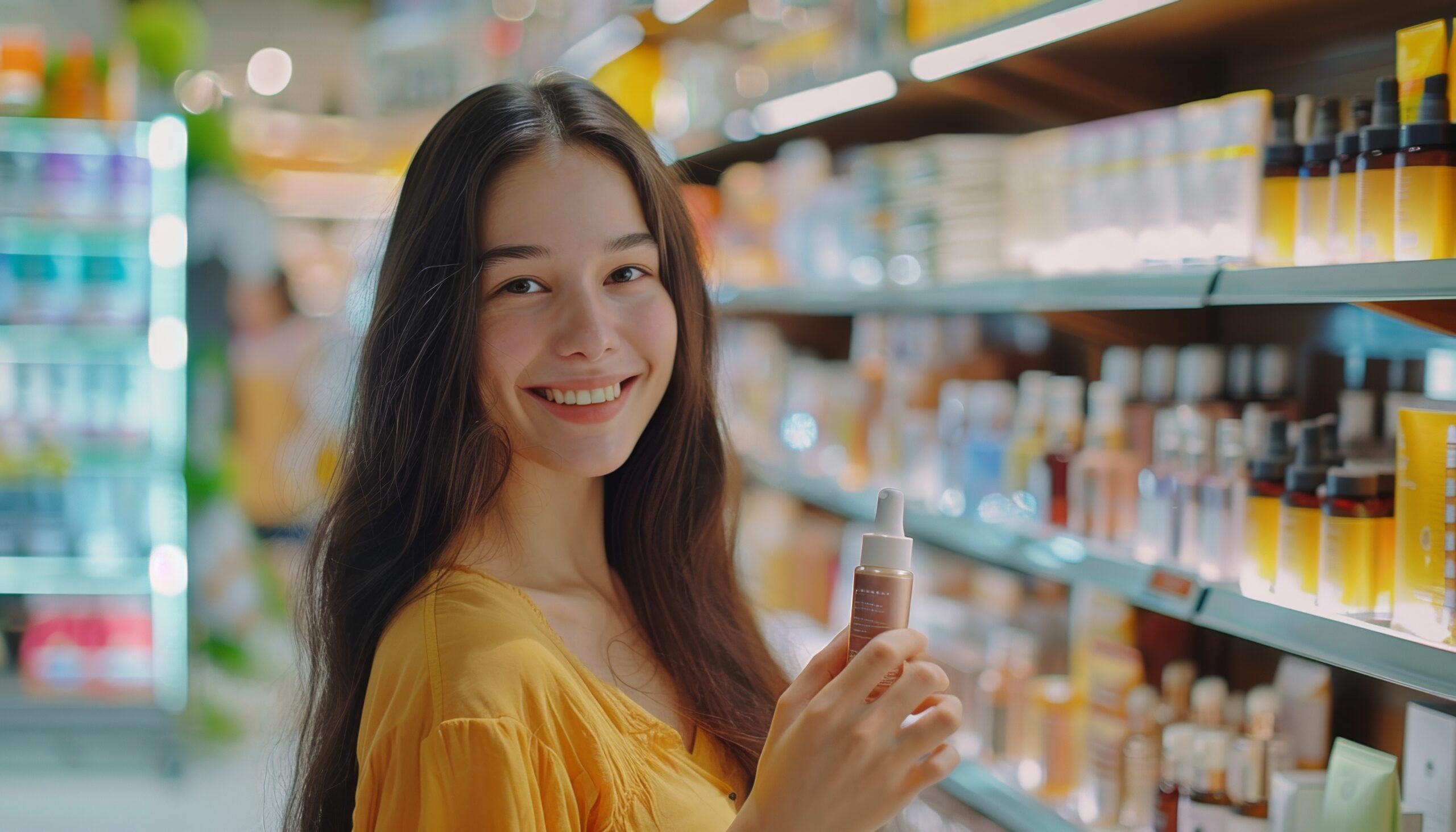
The change is reshaping tourist shopping itineraries. Rather than visiting cosmetics stores alone, some travelers are combining dermatology procedures with pharmacy visits to buy products recommended for post-treatment care or discovered through social media. Pharmacies are increasingly becoming an additional retail channel for K-beauty, South Korea’s globally popular beauty industry.
The trend is particularly visible in Myeongdong, a major shopping district in Seoul popular with international visitors. South Korean public administrative data show that 23 pharmacies opened in the district during the first nine months of 2026, more than double the 11 openings recorded for all of 2025. Along a roughly 650-foot stretch of Myeongdong Jungang-gil, eight pharmacies were operating and two more were preparing to open.
Beauty retailers are responding to the growing overlap between pharmacy products and conventional cosmetics sales. CJ Olive Young, one of South Korea’s largest beauty retailers, introduced an “Advanced Derma” section at its Central Myeongdong Town store, which opened in March, bringing together products focused on dermatology-inspired skin care.
For retailers and investors, the convergence of medical services, pharmacy shopping and cosmetics creates a potential new channel for capturing international consumer spending.
Pharmacies can benefit from visitors seeking products associated with Korean skin-care routines, while beauty chains face growing pressure to expand treatment-oriented products and specialized skin-care offerings. U.S. beauty companies seeking exposure to Asian demand may also find opportunities to compete through product development, distribution partnerships and specialized formulations, although the spending data alone do not establish how much demand will translate into sales for foreign brands.
Tourism operators are also looking to capitalize on the crossover between health services and retail. Moon So-yeon, head of the medical and wellness team at the Korea Tourism Organization, said medical tourism is increasingly generating combined spending on medical services, pharmacies and cosmetics shopping. The organization plans to expand tourism products that integrate medical services, K-beauty and shopping infrastructure.
The shift broadens the economic footprint of medical tourism beyond hospitals and clinics. As international visitors devote more of their trips to skin care and related purchases, pharmacies and mainstream beauty retailers are competing for a larger share of spending once concentrated more heavily on medical procedures.