Luxury brands have spent years raising prices, confident that shoppers would continue paying more for exclusivity. But as global demand slows, that strategy is facing a test.
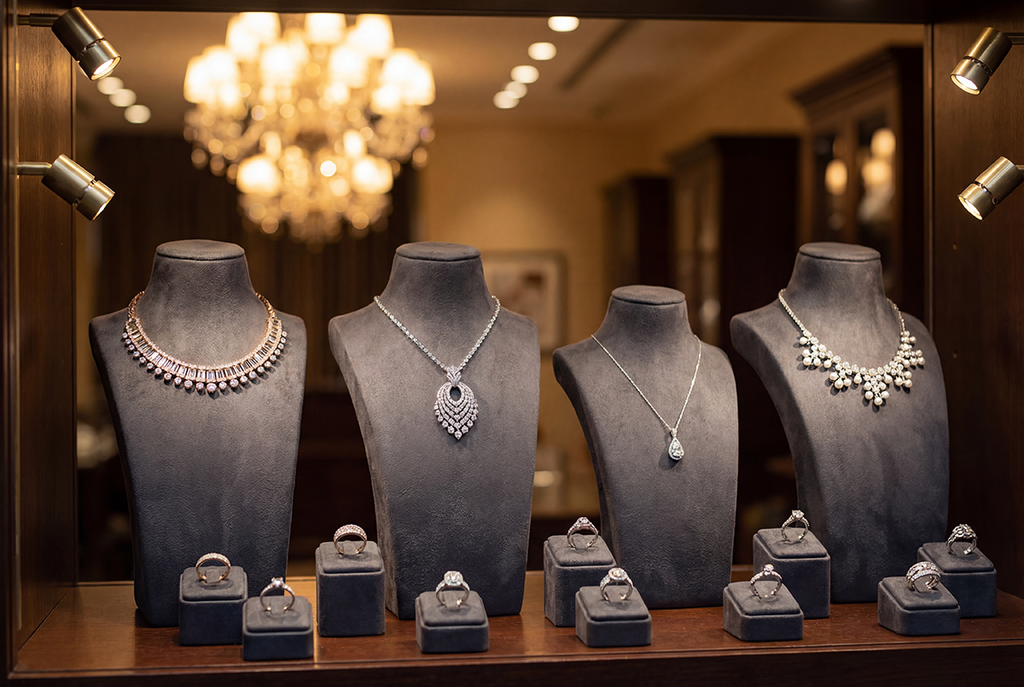
Boucheron, the French jewelry house owned by luxury conglomerate Kering, has cut prices in South Korea just 3 months after raising them.
The reversal comes as investors question how much longer luxury companies can rely on higher prices to drive growth. According to consulting firm McKinsey, price increases accounted for more than 80% of the industry’s historical growth. That strategy is becoming harder to sustain as spending weakens across major markets.
Bank of America reported that global luxury demand indicators grew 2 to 3 percentage points more slowly in the third quarter than in the previous quarter. The slowdown raises a critical question for luxury groups such as Kering and Richemont, whose jewelry businesses depend heavily on their ability to command premium prices.
Boucheron’s latest move offers a glimpse of the challenges these companies face.
The French jeweler reduced prices on selected products in its Quatre collection by 5% to 10% in October, according to South Korean industry reports released October 13. The cuts followed price increases of as much as 12% on certain models in July.
The Quatre Classic Small Ring fell 5.5% to approximately $5,200. The Classic Pendant S dropped 8.1% from $5,590 to $5,130, while the larger version declined 10.8% from $7,430 to $6,630.
The reductions stand out in an industry where prices typically move in only one direction.
Earlier this year, Cartier increased prices on its classic Love Ring by 7.8% and medium Love Bracelet by 8.2%. Van Cleef & Arpels followed with increases of approximately 5% on selected jewelry. Both brands are owned by Swiss luxury group Richemont.
Boucheron, however, is moving in the opposite direction in South Korea, where weakening luxury spending and a stronger local currency have changed market conditions.
Hanwha Investment & Securities, a South Korean brokerage firm, warned that third-quarter sales growth at major department stores would likely fall below expectations, partly because of slower luxury sales.
At the same time, the South Korean won has strengthened against the U.S. dollar, potentially reducing the local cost of imported goods.
The average dollar exchange rate against the won fell 5.5% in the third quarter compared with the second quarter. By the end of September, the exchange rate had declined 12.4% from the end of June.
A stronger won can give luxury importers more flexibility to adjust prices without necessarily sacrificing the same proportion of revenue in foreign currency terms. However, the dollar exchange rate alone does not determine the pricing of French luxury jewelry.
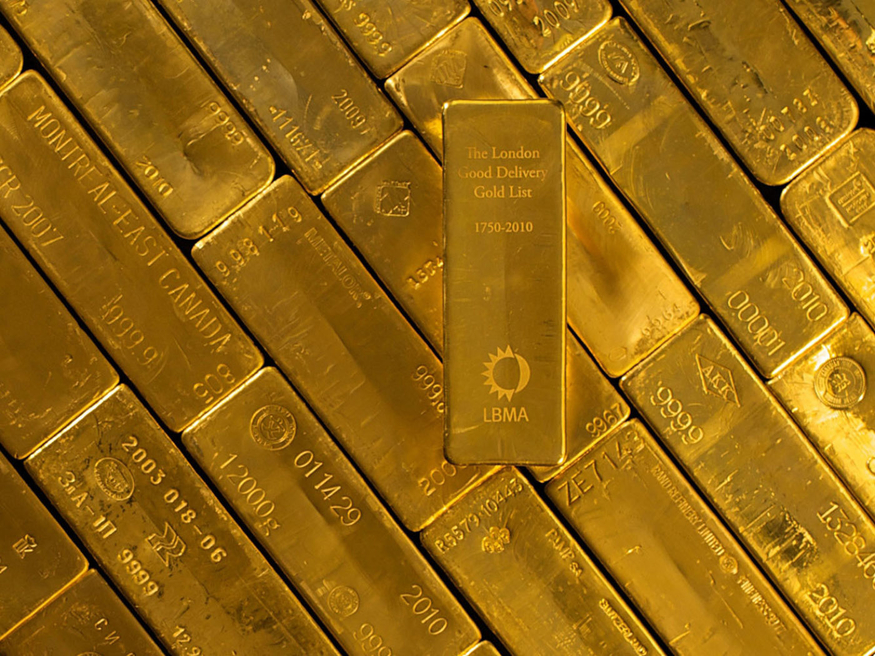
Falling precious metal prices may have provided additional room for adjustments. According to the World Gold Council, international gold prices declined 8.5% in September from the previous month.
Yet neither currency movements nor lower material costs fully explains Boucheron’s decision.
Luxury jewelry companies generally set prices according to global strategies and brand positioning rather than adjusting them directly in response to fluctuations in manufacturing costs.
Boucheron said the reductions reflected its global pricing policy but declined to provide further details. The company has not confirmed whether slowing consumer demand, exchange rates or other factors drove the decision.
That uncertainty makes it difficult to determine whether the cuts reflect conditions specific to South Korea or a broader reconsideration of luxury pricing.
The distinction matters because the industry’s growth model depends on more than selling expensive products. Regular price increases have helped luxury brands strengthen margins while encouraging customers to purchase before prices climb further.
Cutting prices could help attract buyers who have become more cautious about spending. But it also carries risks for companies whose products derive much of their appeal from exclusivity and perceived value.
An industry official cited in the South Korean report warned that luxury brands are generally reluctant to lower prices because doing so could weaken their brand image. Different pricing policies also make it uncertain whether competitors will follow Boucheron’s example.
For Kering and other global luxury groups, the broader issue is whether demand can support continued price increases after years of aggressive adjustments.
Boucheron’s reversal does not establish that luxury brands are losing their pricing power. It does, however, come at a time when weaker demand is making the industry’s dependence on higher prices increasingly difficult to ignore.
The test ahead is whether luxury companies can maintain their premium pricing without sacrificing the sales growth that investors expect.