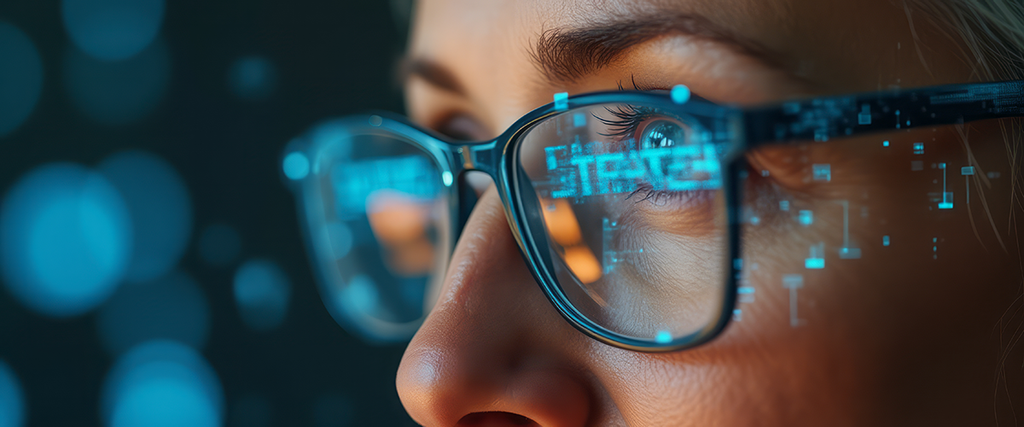
As artificial intelligence moves into everyday eyewear, schools face a new challenge in preventing cheating. Unlike smartphones or laptops, smart glasses can conceal cameras and other electronic features in devices that look much like ordinary prescription glasses.
The technology raises questions about whether traditional exam security measures can keep pace with increasingly discreet wearable devices. The issue extends to the United States, where the SAT already prohibits smart glasses and AI-enabled eyewear. Two recent incidents at South Korean universities have demonstrated how students can evade inspections even when such precautions are in place.
The cases involved applicants who passed initial security checks wearing ordinary glasses before switching to electronic eyewear during their exams. Both were caught by supervisors who noticed the change, revealing a weakness in procedures designed to prevent unauthorized technology from entering examination rooms.
At Yonsei University, one of South Korea’s leading private universities, an applicant was caught wearing smart glasses during a mathematics entrance exam in Seoul on Oct. 10.
The university routinely inspects students’ eyewear before examinations begin. The applicant initially wore conventional glasses during the inspection but switched to a pair equipped with a camera and battery once the exam started.
A supervisor noticed that the glasses looked different from those checked earlier and alerted university officials. The device was confiscated, and the applicant admitted to wearing it. Yonsei University is reviewing possible disciplinary action.
A similar incident occurred on Oct. 3 at the University of Seoul, a public university in South Korea’s capital. An applicant taking a natural sciences entrance exam passed the initial identification check wearing ordinary glasses but was later discovered wearing smart glasses.
The university immediately removed the applicant from the examination room and barred the student from taking its entrance exams for 3 years.
Neither university identified the manufacturer of the devices or established whether the applicants had used AI to obtain answers.
The incidents illustrate a broader challenge as wearable technology becomes more sophisticated. Both universities had security procedures in place, yet neither prevented students from switching to prohibited devices after their exams began.
The cases also reveal the limits of relying on inspections conducted before testing. As electronic features become harder to distinguish from everyday accessories, schools and testing authorities may need to reconsider how they enforce restrictions throughout an examination rather than only before it begins.