South Korea’s accelerating shift toward electric vehicles is beginning to challenge the hybrid-car boom, creating a new strategic test for automakers and investors assessing the global transition to electrification.
The trend offers a potential warning for U.S. manufacturers, including Ford and General Motors, as competition intensifies over the balance between hybrids and fully electric vehicles. In the first nine months of 2026, South Korean hybrid registrations fell for the first time in the January-September period since comparable records began in 2013, while electric-vehicle sales surged.
Hybrid registrations, including mild-hybrid models, declined 3.9% to 421,199 vehicles from a year earlier, according to the Korea Automobile and Mobility Association. Hybrids accounted for 34.1% of new vehicle registrations, down 0.4 percentage point from the same period in 2025.
The reversal marks a break from more than a decade of expansion. Hybrid registrations for the first nine months climbed from 22,181 in 2013 to 110,016 in 2020, before accelerating to 203,212 in 2022, 278,500 in 2023 and 355,404 in 2024. The figure reached 438,170 in 2025 as consumers favored fuel-efficient vehicles without the charging requirements of fully electric models.
That advantage is now facing a challenge from a resurgent EV market. South Korea recorded 296,801 new EV registrations in the first nine months of 2026, up 74.8% from a year earlier. The increase came as registrations of gasoline, diesel, liquefied petroleum gas and hybrid vehicles declined, suggesting that some consumers are bypassing hybrids and moving directly to fully electric cars.
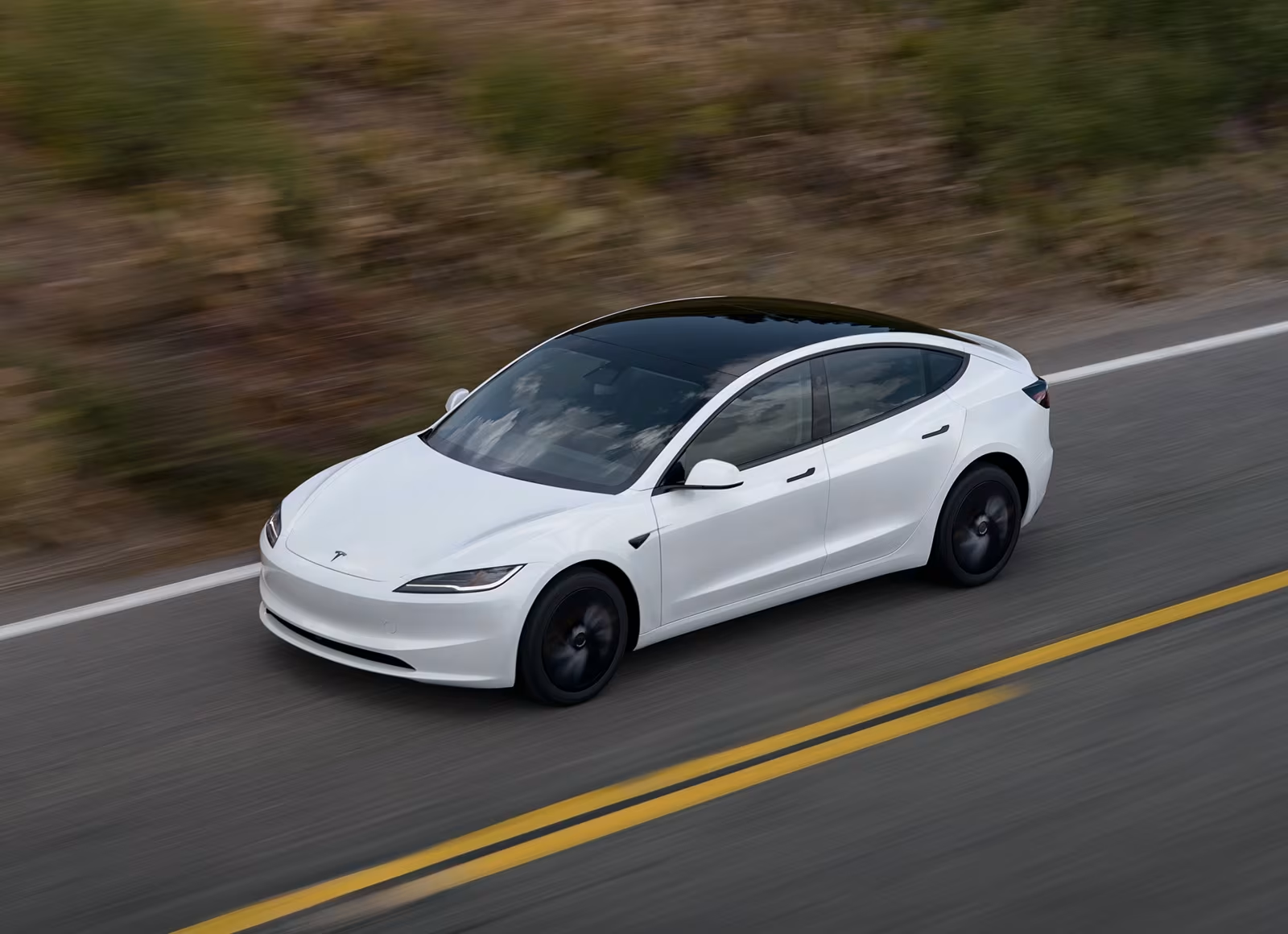
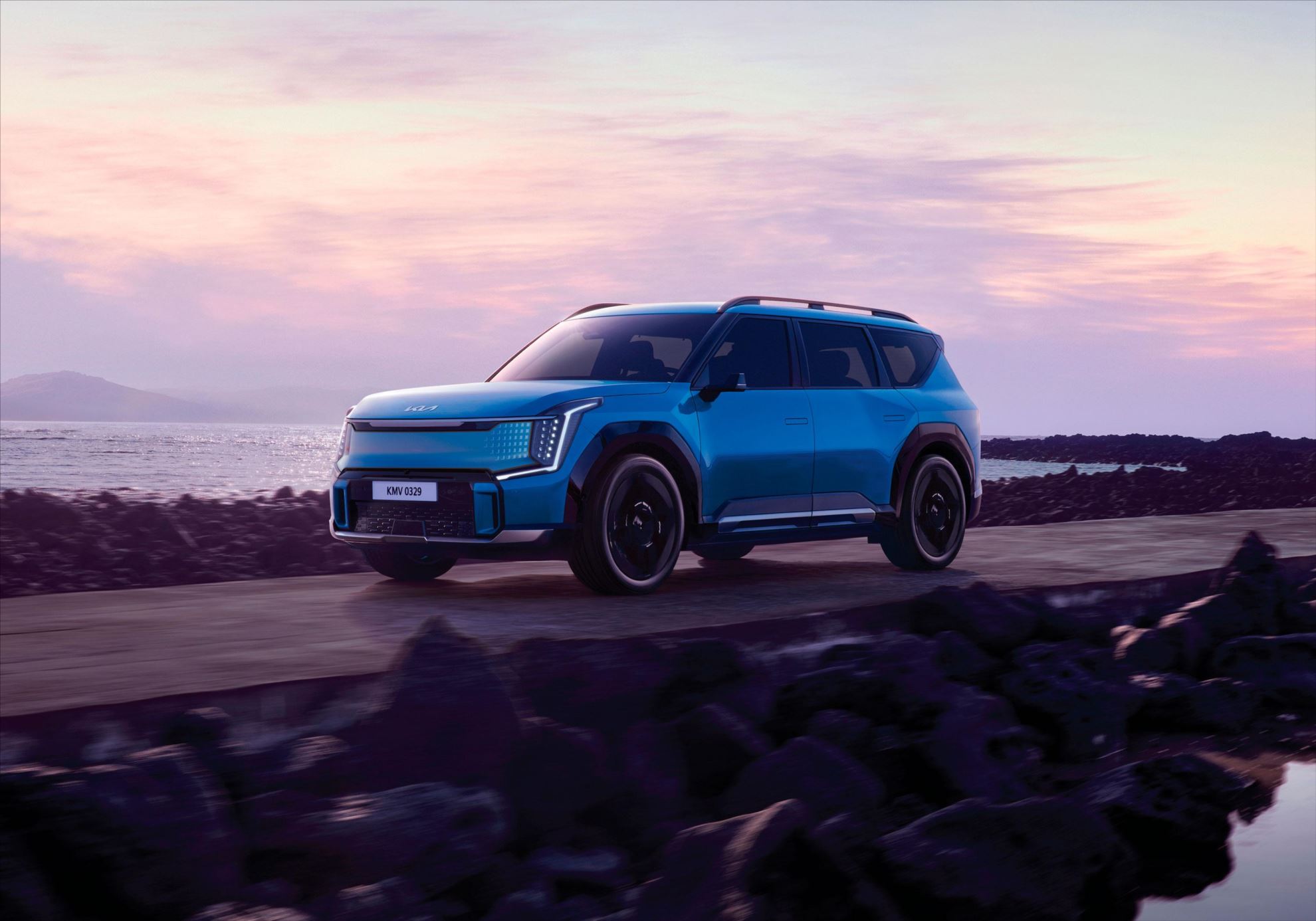
Kia sold 104,370 EVs during the period, a 112.3% increase, supported by the EV5, EV4 and PV5. Tesla registrations jumped 104.4% to 89,148, driven by the Model Y and Model 3. The gains underscore how expanding model lineups and renewed consumer interest are reshaping competition in one of Asia’s major automotive markets.
Gasoline vehicles, meanwhile, lost their position as South Korea’s largest powertrain category. Registrations fell 19.4% to 386,533, placing gasoline cars behind hybrids. EVs ranked third, followed by LPG vehicles, down 11% to 91,965, and diesel vehicles, which plunged 58.6% to 29,712.
The slowdown in hybrids also reflects supply constraints and aging product lineups at Hyundai Motor and Kia. A fire at parts supplier Anjeon Industrial in March disrupted deliveries of several major models, including a number of hybrids, according to industry accounts.
Hyundai’s launch schedule added to the pressure. Updated hybrid versions of key models, including the Avante, Tucson and Grandeur, were concentrated in the second half of the year, potentially encouraging buyers to postpone purchases until the newer vehicles arrived.
At Kia, established hybrid models such as the Sorento, Sportage and K8 have faced growing competition from newer electric offerings. Industry officials say the age of these hybrid lineups has contributed to weaker sales momentum, although the Seltos has been an exception.
The fourth quarter could bring some relief. Local governments may run out of EV subsidy funds toward year-end, potentially changing the economics of an electric-vehicle purchase. New models, including a hybrid version of the Genesis GV80, could also attract buyers back to hybrid vehicles.
An industry official said the slowdown reflects a combination of supply and demand factors and expressed hope that new models and the depletion of local EV subsidies would help sales recover by year-end.
For automakers and investors, the central question is whether hybrids are experiencing a temporary pause or losing their role as the preferred middle ground between gasoline vehicles and full electrification. The answer will influence production planning, capital allocation and model development as manufacturers weigh demand for fuel-efficient combustion technology against the accelerating shift to battery-powered vehicles.