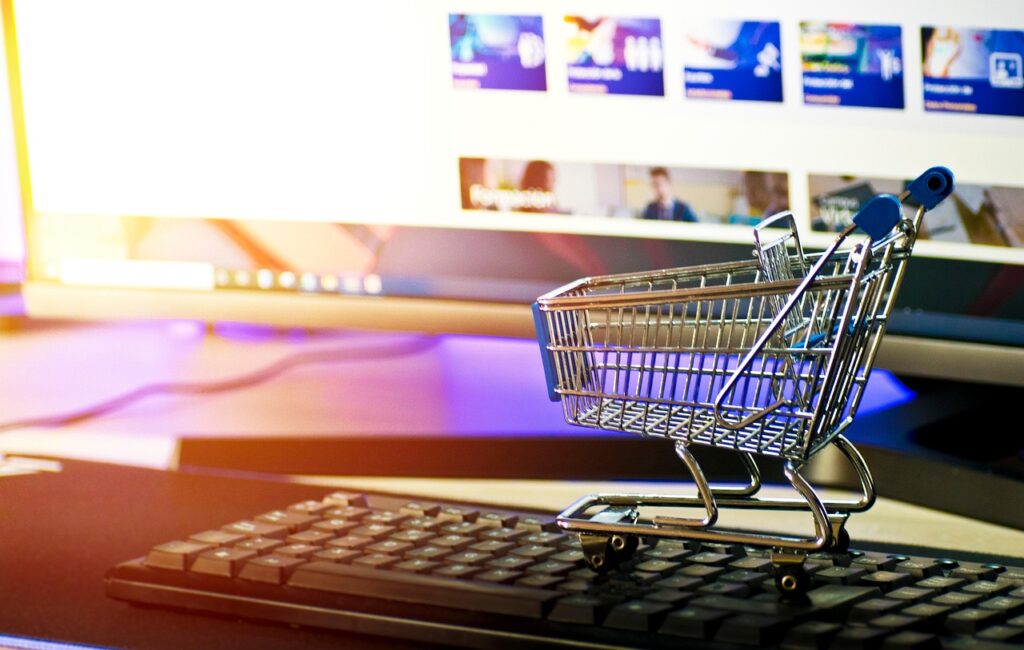
Buying products directly from overseas sellers has made online shopping cheaper and more convenient. But the growing reach of international marketplaces has exposed a problem that regulators are struggling to contain. Dangerous products can reach consumers before anyone discovers they are unsafe.
The issue has already tested the responsibilities of major American retailers. In January 2025, the U.S. Consumer Product Safety Commission ordered Amazon to notify customers and offer refunds for more than 400,000 hazardous products sold by independent merchants through its fulfillment service. The agency had determined that Amazon was responsible for recalling those products, even though outside sellers had offered them for sale.
South Korea is confronting a related problem, but its latest debate focuses on preventing unsafe products from reaching shoppers in the first place. Government figures released Monday show that authorities have blocked more than 6,400 hazardous products sold through overseas online marketplaces since 2024. The findings have prompted calls for stronger safeguards that would identify dangerous goods before consumers purchase them.
The figures were obtained by Park Sung-hoon, a conservative South Korean lawmaker whose parliamentary committee oversees the Korea Fair Trade Commission, the country’s competition and consumer protection regulator.
Authorities blocked 2,687 products in 2024 and another 2,174 in 2025. During the first eight months of 2026, an additional 1,578 products were restricted, bringing the total to 6,439.
South Korea introduced the distribution restrictions in 2024, building on a government safety monitoring network established four years earlier. The system brings together 11 government agencies and public institutions, including the country’s technology standards authority, food and drug safety regulator and consumer protection agency.
When these agencies identify hazardous products sold through foreign online platforms, authorities take steps to block their distribution in South Korea.
But the system has a significant limitation. Products may already have been purchased before regulators discover safety problems, leaving authorities to intervene only after consumers have potentially been exposed to dangerous goods.
Park argues that removing hazardous products after they have been sold is not enough. He wants online marketplaces to share information about unsafe goods and merchants repeatedly found offering dangerous products, allowing platforms to identify potential risks before customers complete their purchases.
The proposal addresses a broader challenge in international online shopping. Sellers can offer products through multiple marketplaces, while safety enforcement often depends on individual platforms and national regulators identifying violations. Sharing information about dangerous products and repeat offenders could help prevent the same goods from remaining available through other shopping sites.
Such cooperation could also change how international marketplaces manage their operations. Stronger requirements to monitor sellers, verify product safety and exchange information across platforms could increase compliance responsibilities for companies operating in multiple countries.
However, South Korea has not announced additional regulatory requirements based on Park’s proposal. The government figures also do not identify which foreign marketplaces accounted for the blocked products or how many affected items had already reached consumers.
Those limitations make it difficult to determine the exposure of individual companies. Still, the findings illustrate why product safety is an important consideration for businesses operating international online marketplaces.
The American and South Korean cases highlight different stages of the same challenge. The Amazon ruling addressed responsibility for hazardous products already distributed to customers, while South Korea’s debate centers on identifying dangerous goods before they are purchased.
Park has called for a preventive system that would allow platforms to identify unsafe products and repeat offenders before hazardous goods enter consumers’ shopping carts.
As international marketplaces continue connecting overseas sellers with domestic consumers, the challenge extends beyond removing individual dangerous products. The larger question is whether the companies facilitating those transactions can identify safety risks early enough to prevent consumers from purchasing hazardous goods in the first place.