Political boycotts can threaten a movie’s financial future before audiences have a chance to judge it. But in South Korea, a $14 million historical film has continued filling theaters despite demands to halt screenings, pressure on its actors and efforts to block its international festival debut.
The Assassin(s) is approaching 3 million admissions and moving closer to recovering its production costs. Its performance raises a question that extends beyond South Korea’s political divisions. What happens when a campaign to discourage moviegoers fails, and the filmmakers facing that pressure begin to gain financial security?
The answer matters to an entertainment industry in which political controversy can complicate a film’s release and threaten the investments behind it. Strong ticket sales do not resolve disputes over artistic expression or historical accuracy, but they can change the financial pressures facing producers and the decisions available to directors and actors.
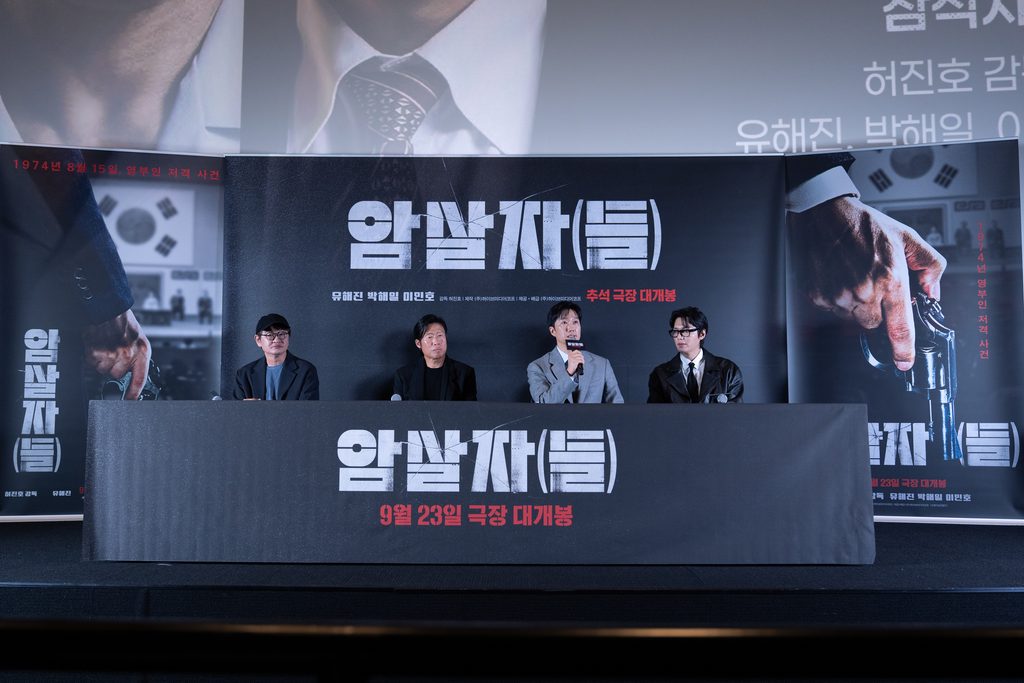
Directed by acclaimed South Korean filmmaker Hur Jin-ho, The Assassin(s) became the center of a political confrontation following accusations that its portrayal of historical events distorted the past.
The dispute quickly escalated. Conservative politicians called for screenings to be halted, boycott campaigns gathered attention, and planned demonstrations outside actors’ homes raised safety concerns. Promotional appearances were canceled, while opposition lawmakers demanded that the Singapore International Film Festival withdraw the movie from its opening program.
Such disruptions presented a serious challenge during the opening weeks, when a film depends on publicity and audience recommendations to sustain ticket sales.
Yet the anticipated commercial damage has not materialized.
Released on Sept. 23, The Assassin(s) surpassed 1 million admissions within four days. It maintained strong attendance through Chuseok, South Korea’s major autumn holiday, and continued attracting audiences during subsequent national holidays.
The movie gained renewed momentum during its third week, a period when theatrical releases typically begin losing viewers.
On Oct. 10, it attracted 138,527 moviegoers, bringing cumulative admissions to 2,884,498. By Oct. 11, the total had climbed to nearly 3 million, leaving the film just short of a milestone that appeared far less certain when the political controversy intensified.
The numbers have also changed the nature of the public debate.
Initially, conservative opposition politicians dominated the controversy through demands for boycotts and restrictions on screenings. But as audiences continued buying tickets, politicians aligned with South Korea’s governing Democratic Party began publicly encouraging people to watch the movie and form their own opinions.
Democratic Party lawmakers Park Sun-won, Park Joo-min and Kim Young-bae have participated in screenings with local party members and shared their attendance on social media. Other political figures have posted reviews and recommendations, helping turn moviegoing into a visible response to the boycott campaign.
The shift has brought a different argument to the forefront. Rather than debating whether audiences should be discouraged from watching the movie, supporters have increasingly emphasized allowing people to judge it themselves.
The growing political attention also raises the possibility that the controversy encouraged some viewers to see what had generated such fierce opposition.
That connection, however, remains uncertain.
The Assassin(s) had already reached 1 million admissions before the political dispute reached its peak. Its established cast, favorable audience responses and strong holiday attendance also contributed to its performance.
There is insufficient evidence to conclude that the boycott created the film’s commercial success. What the attendance figures demonstrate is that organized opposition has not stopped audiences from turning out.
That distinction is becoming particularly important as the movie approaches its estimated financial break even point.
Hive Media Corp., the South Korean film production company behind The Assassin(s), invested approximately $14 million in the project. Industry estimates suggest the film needs between 3.7 million and 3.75 million theatrical admissions to recover its costs.
The figure remains provisional. Hive Media Corp. has explained that overseas sales are not yet complete, meaning the final financial threshold could change depending on international distribution revenue.
Nevertheless, the estimate provides a measure of how much the film’s commercial position has improved.
Once admissions surpass 3 million, approximately 700,000 to 750,000 additional viewers would bring the production to the industry’s estimated break even point.
Recent attendance offers reason to consider that target attainable, although continued success will depend on whether audiences keep coming to theaters after the holiday period.
Reaching the threshold would have implications beyond the production’s finances.
During the early stages of the controversy, the filmmakers faced two immediate risks. Political pressure was disrupting promotional activities, while weak ticket sales could have left the production unable to recover its investment.
Responding aggressively to critics might have prolonged the confrontation at a time when additional controversy posed a potential commercial threat.
Instead, Hive Media Corp. largely emphasized the movie’s audience figures.
When The Assassin(s) passed 2 million admissions, the company promoted the achievement through its official social media channels. The announcement followed conventional film marketing practices, but the audience figures also provided a measurable response to political opposition.
The filmmakers did not need to settle the historical dispute to demonstrate that people were still willing to buy tickets.
If the movie recovers its investment, that financial result could reduce some of the pressure surrounding the production.
Hur and the actors might then have greater freedom to discuss their creative decisions, respond to accusations of historical distortion or address the political interference they experienced during the release.
There is no confirmation that they intend to take such action. Reaching the break even point would not automatically change their public positions or resolve the controversy.
But the financial considerations would be different from those facing a production still uncertain about recovering its costs.
The international dimension of the dispute adds another complication.
South Korean opposition lawmakers have attempted to extend their criticism beyond domestic theaters by demanding that the Singapore International Film Festival withdraw The Assassin(s) from its opening program.
The effort shows how a political dispute involving a film’s historical interpretation can follow a production into international markets.
Overseas distribution is also relevant to the movie’s financial outlook because its producers have yet to finalize international sales.
However, whether the controversy will affect those transactions remains unknown.
The more immediate question is whether the movie’s domestic audience can carry it across the estimated financial threshold.
If The Assassin(s) reaches 3.7 million admissions, the achievement would mark a significant change from the uncertainty that surrounded its early release.
Political criticism would remain, as would disagreements over the film’s interpretation of history. Commercial success would not establish that the filmmakers’ portrayal was historically accurate.
It could, however, reduce the financial consequences of the campaign against the movie and give its creators greater flexibility in deciding how to respond.
The confrontation would then enter a different phase.
Instead of focusing on whether political pressure could prevent the film from recovering its investment, attention could increasingly turn to how far politicians should go in attempting to influence what audiences watch and what filmmakers create.
That is the larger significance of the film’s box office performance. The controversy has not disappeared, but the commercial risks facing its producers may be diminishing.
With nearly 3 million admissions recorded and its estimated break even point moving closer, The Assassin(s) is approaching a moment when the balance between political pressure and financial security could change.
The boycott campaign has not stopped the movie from attracting audiences. Whether its continued success will also give the filmmakers a stronger voice in the debate remains an open question.