The battle for affluent U.S. consumers is pushing appliance makers to pair luxury design with artificial intelligence and broader retail distribution, as manufacturers seek to increase revenue from premium products in a competitive market. LG Electronics is expanding its high-end Signature brand with more kitchen appliances and wider availability at major retailers, betting that smart features and coordinated home design can attract customers beyond the exclusive showrooms that have defined the brand.
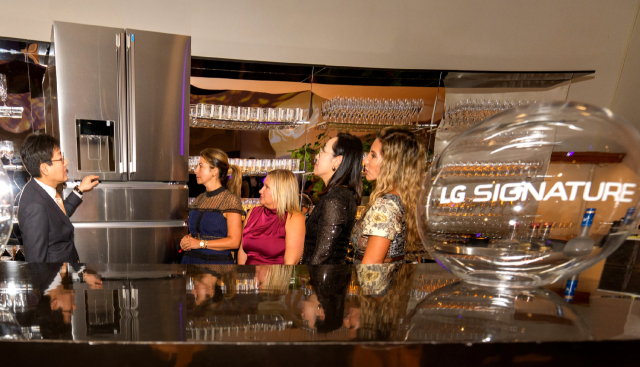
LG marked the 10th anniversary of Signature’s U.S. launch with an event at the Guggenheim Museum in New York on Oct. 8, the company said Oct. 11.
The company has expanded the Signature lineup to 10 products this year, adding kitchen appliances including ranges, built-in wall ovens, range hoods and cooktops. It is also offering three design styles: Iconic, with gold accents; Tailored, with customizable colors; and Seamless, designed to sit flush with surrounding cabinetry.
The expanded range targets consumers seeking a consistent look across kitchens and other living spaces, particularly those investing in premium built-in appliances. For appliance manufacturers, these coordinated product lines can encourage customers to buy multiple products from a single brand, increasing the value of each household purchase.
LG is also broadening its distribution strategy. The company previously limited Signature displays largely to flagship showrooms to maintain the brand’s exclusive image. With the latest products, it plans to expand into conventional stores operated by major retailers.
The move could expose Signature to more affluent shoppers who might not visit dedicated luxury showrooms. It also highlights a strategic balancing act for premium brands: Expanding distribution can boost sales, but excessive availability risks weakening the exclusivity that supports higher prices.
Artificial intelligence is another part of LG’s strategy. Its new ranges equipped with Gourmet AI use an interior camera to recognize ingredients and recommend cooking methods. The appliances can also alert users when food reaches their preferred level of doneness.
Such features reflect a broader effort across the appliance industry to make connected products more useful in everyday life. For consumers, automated cooking assistance promises greater convenience. For manufacturers, AI-enabled functions offer another way to differentiate premium models and persuade buyers to upgrade.
LG is expanding Signature against a backdrop of established sales in the U.S. appliance market. Consumer Reports included the Signature washer-and-dryer set in its 2026 ranking of the 15 best washer-and-dryer pairs.
Market research firm TraQline ranked LG No. 1 in U.S. home-appliance revenue share in 2025, at 22%, marking the company’s second consecutive year in the top spot, according to LG.
That market position gives the company a foundation for pushing into higher-priced categories. The key question is whether wider distribution and additional features can expand Signature sales without diluting its premium positioning.
“Over the past decade, LG Signature has set a new standard for premium appliances through understated design and innovative technology focused on the essentials,” said Do-young Kwak, LG’s North American regional president and an executive vice president. He said the company would continue targeting North American customers with premium products offering AI-powered convenience.
LG began developing an integrated ultra-premium brand after establishing a design committee in 2014. Signature became the company’s first unified brand to span multiple product categories, including televisions, refrigerators and washing machines.
The brand was unveiled at the Consumer Electronics Show in Las Vegas in January 2016, launched in South Korea in March and introduced in the U.S. in October.
A decade later, LG is seeking to turn that brand recognition into broader commercial growth. Its strategy combines a larger product lineup, more retail access and AI-driven features as appliance makers look for ways to sustain demand for higher-priced products.
For LG, the challenge is to make Signature more accessible without making it feel ordinary. Success will depend on whether consumers see enough value in the combination of design, convenience and smart technology to justify paying a premium.