A surge in power demand from artificial intelligence data centers and the push for cheaper electric vehicles are creating a bigger market for lithium iron phosphate batteries. Now South Korean battery companies are racing to secure the materials needed to make them without relying as heavily on China.
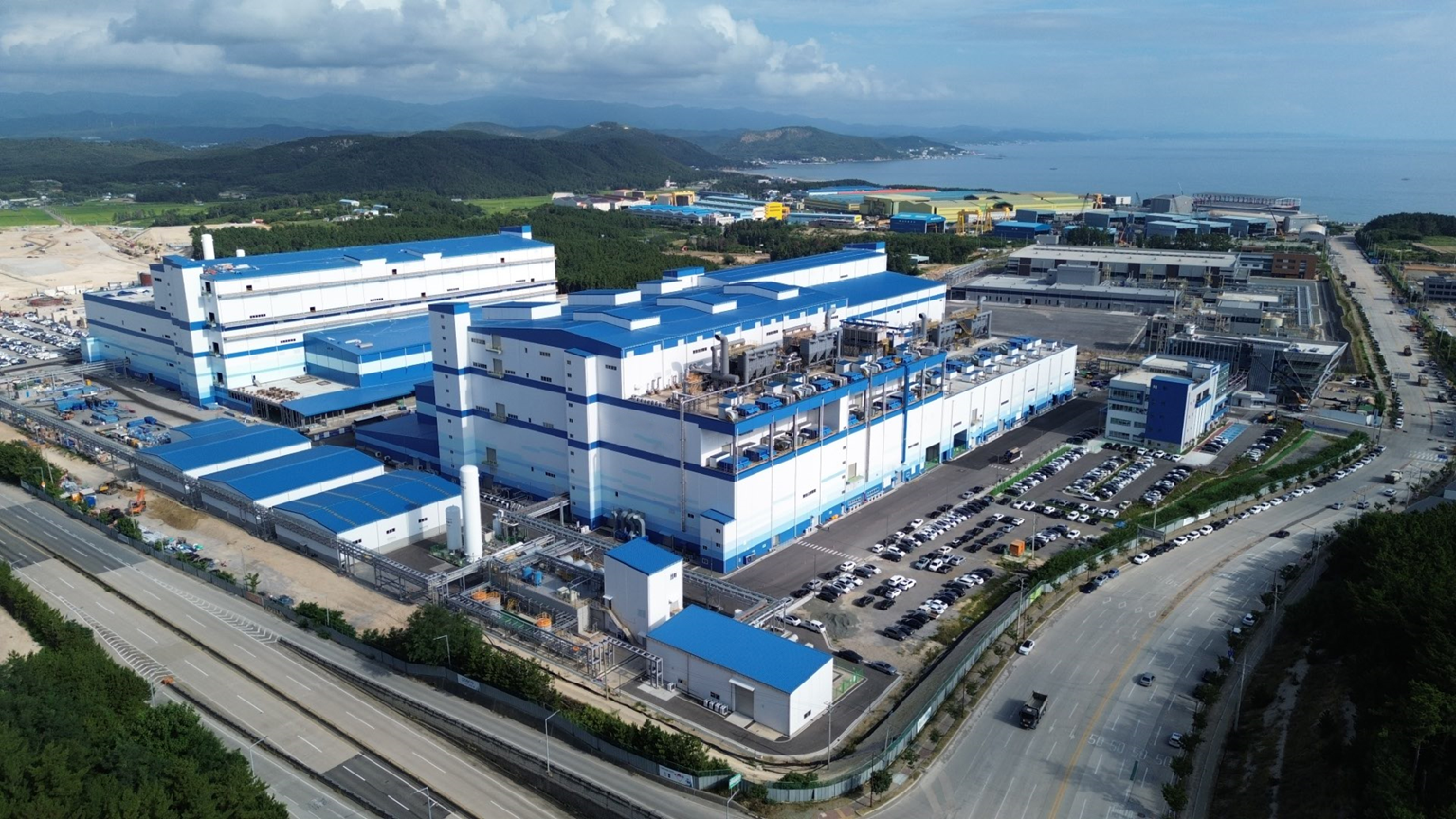
POSCO Future M, the battery materials arm of South Korean industrial group POSCO, said it finalized a $4.4 billion agreement to supply LFP cathode materials to Samsung SDI, one of South Korea’s three major battery makers. The deal expands an agreement reached in August that called for about 190,000 tons of LFP cathode materials to be supplied between 2027 and 2032.
The size of the agreement matters beyond South Korea. U.S. automakers, battery manufacturers and energy storage developers are trying to build supply chains that can satisfy increasingly restrictive sourcing requirements while reducing exposure to China, which has long dominated much of the battery materials industry. At the same time, the buildout of AI data centers is increasing demand for large scale energy storage systems that can support more reliable power supplies.
LFP batteries are emerging as one of the biggest beneficiaries of those shifts. They generally offer lower energy density than nickel based batteries such as NCM and NCA, but they are cheaper, have long cycle lives and are valued for their stability. Those characteristics have made them increasingly attractive for lower priced EVs and stationary energy storage systems.
That combination is changing the role of companies such as POSCO Future M. The company is no longer positioning itself only around the premium EV market, where nickel rich batteries have traditionally dominated. It is expanding into LFP as demand grows from both transportation and power infrastructure.
The Samsung SDI agreement also strengthens POSCO Future M’s position inside South Korea’s battery industry. Last month, the company signed an $816 million contract to supply LFP cathode materials to SK On, the battery unit of South Korea’s SK Group, from 2027 through 2029. It was POSCO Future M’s first cathode supply agreement with SK On.
With LG Energy Solution also among its customers, POSCO Future M now supplies cathode and anode materials to all three of South Korea’s major battery manufacturers. That gives the company a potentially important role as those producers expand overseas and look for alternatives to Chinese battery materials.
The company is also pushing further upstream. POSCO Future M plans to use lithium produced from POSCO Group’s salt lake operations in Argentina in future LFP cathode production. It is separately investing about $266 million in a synthetic graphite anode material plant in Vietnam and is building a spherical graphite processing facility in South Korea that is scheduled to begin trial operations in early 2027.
Together, those projects are intended to give POSCO Future M greater control over the chain stretching from raw materials to finished cathode and anode products. That has become increasingly important as battery makers compete not only on price and performance but also on where their materials come from.
Samsung SDI and POSCO Future M are broadening their relationship at the same time. A supply agreement originally signed in 2023 focused on NCA cathode materials. The companies are now expanding cooperation into LFP and plan to extend it further into lithium manganese oxide cathodes and synthetic graphite anodes.
POSCO Future M said the new arrangement combines several product agreements into a broader framework that should make future contracts easier to manage and strengthen the companies’ strategic partnership.
The company has built a portfolio spanning nickel based cathodes, LFP and LMO cathodes, as well as natural and synthetic graphite anodes. The $4.4 billion Samsung SDI contract gives it something equally important as it expands that portfolio, a large committed customer base that can support higher plant utilization and make future investment decisions more predictable.
The broader shift is becoming increasingly relevant to the U.S. battery market. As AI infrastructure expands electricity demand and automakers continue searching for lower cost EV batteries, demand for LFP is moving beyond the Chinese market where the chemistry first gained scale. South Korea’s battery industry is now trying to capture part of that growth with a supply chain built around Korean manufacturers, lithium from Argentina and graphite processing spread across Asia.