South Korea’s expanding debt-relief programs are revealing a growing pressure point for banks, lenders and investors: borrowers are increasingly returning for help even after receiving earlier debt adjustments. Nearly 28,000 people reapplied for debt restructuring through August, a sign that persistent household financial stress could become a larger credit-risk issue as the economy remains under pressure.
The Credit Counseling & Recovery Service recorded 27,864 repeat applicants from January through August, according to data released October 5. That was already 82.6% of the 33,718 people who reapplied during all of 2025.
For U.S. banks, fintech companies and investors assessing South Korea’s consumer-credit market, the trend could offer an early indicator of where household balance sheets are under the greatest strain. A sustained increase in repeat restructuring could also influence demand for consumer lending, credit-management services and financial-inclusion products.
The figures do not mean that all repeat applicants previously defaulted on a restructuring plan. Under the country’s debt-adjustment system, borrowers can reapply three months after an agreement loses effect, including after missing four or more scheduled payments. People who have fully repaid their previous obligations but later accumulate new debt can also qualify.
Even so, the rising number of repeat applications suggests that debt relief is not always translating into lasting financial stability. Borrowers may struggle to maintain repayment plans as economic conditions weaken or may accumulate new debt after their existing obligations have been restructured.
The broader restructuring market has also expanded rapidly. Applications rose from 138,202 in 2022 to 184,867 in 2023, 195,032 in 2024 and 209,060 in 2025. The number of approved restructuring cases climbed from 121,095 in 2022 to 189,062 last year.
Older borrowers are emerging as a particular concern. People ages 60 and older accounted for 4,745 repeat applications through August, already 93.1% of the 5,099 recorded during the full year of 2025.
Applicants in their 40s and 50s totaled 15,750 through August, reaching 82.6% of last year’s 19,079.
Younger borrowers are also showing persistent demand for debt relief. Repeat applications among people in their 20s or younger and those in their 30s rose from 7,253 in 2022 to 8,751 in 2023, 8,762 in 2024 and 9,540 in 2025. Through August this year, the group had already reached 7,369 applications, or 77.2% of last year’s total.
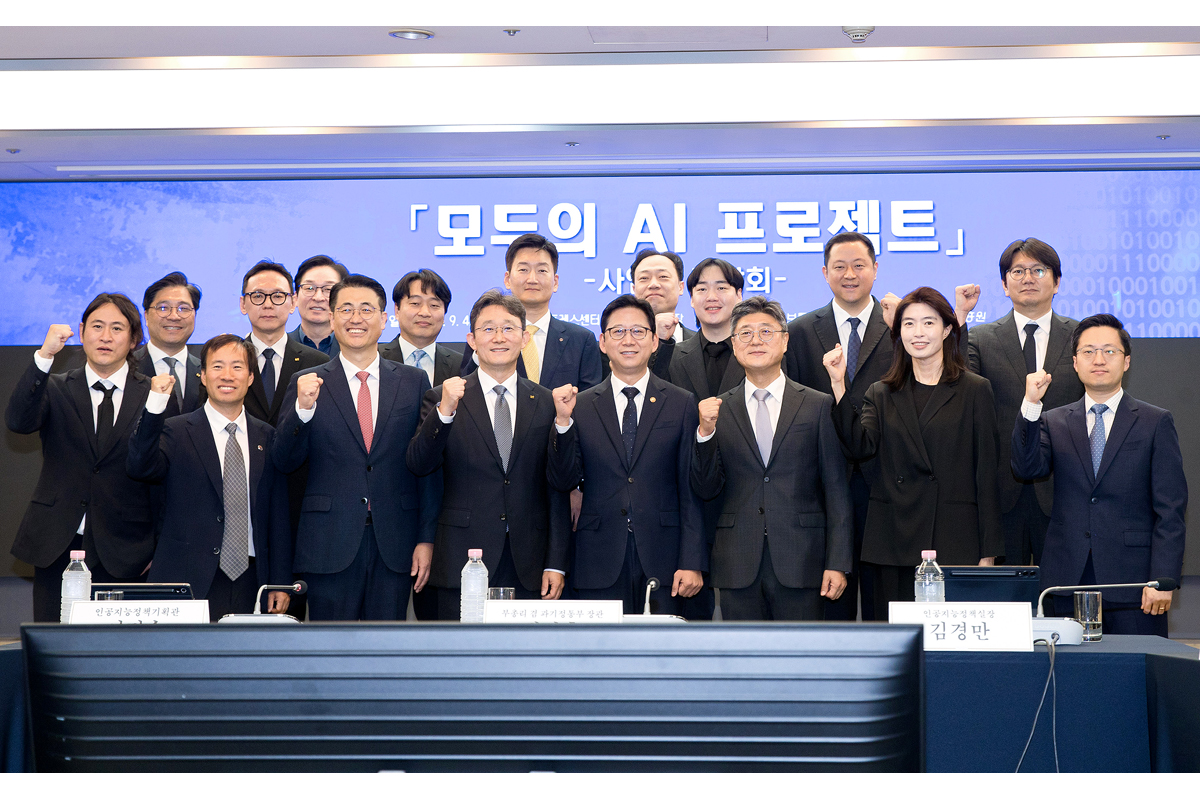
The government is simultaneously expanding financial-inclusion policies aimed at improving access to credit and helping vulnerable borrowers rebuild their finances. The Financial Services Commission launched an Inclusive Finance Strategy Task Force in May to examine measures including chief inclusive finance officers at financial institutions and changes to financial-soundness regulations.
The task force has not yet released detailed interim results or implementation guidelines. Regulators are continuing discussions through specialized working groups and plan to release findings sequentially by the end of 2026.
For investors, the key issue is whether South Korea’s debt-relief programs can reduce systemic household-credit risks or merely postpone them. A continued rise in repeat applications would increase pressure on lenders and policymakers to distinguish between temporary liquidity problems and borrowers facing deeper, structural debt burdens.