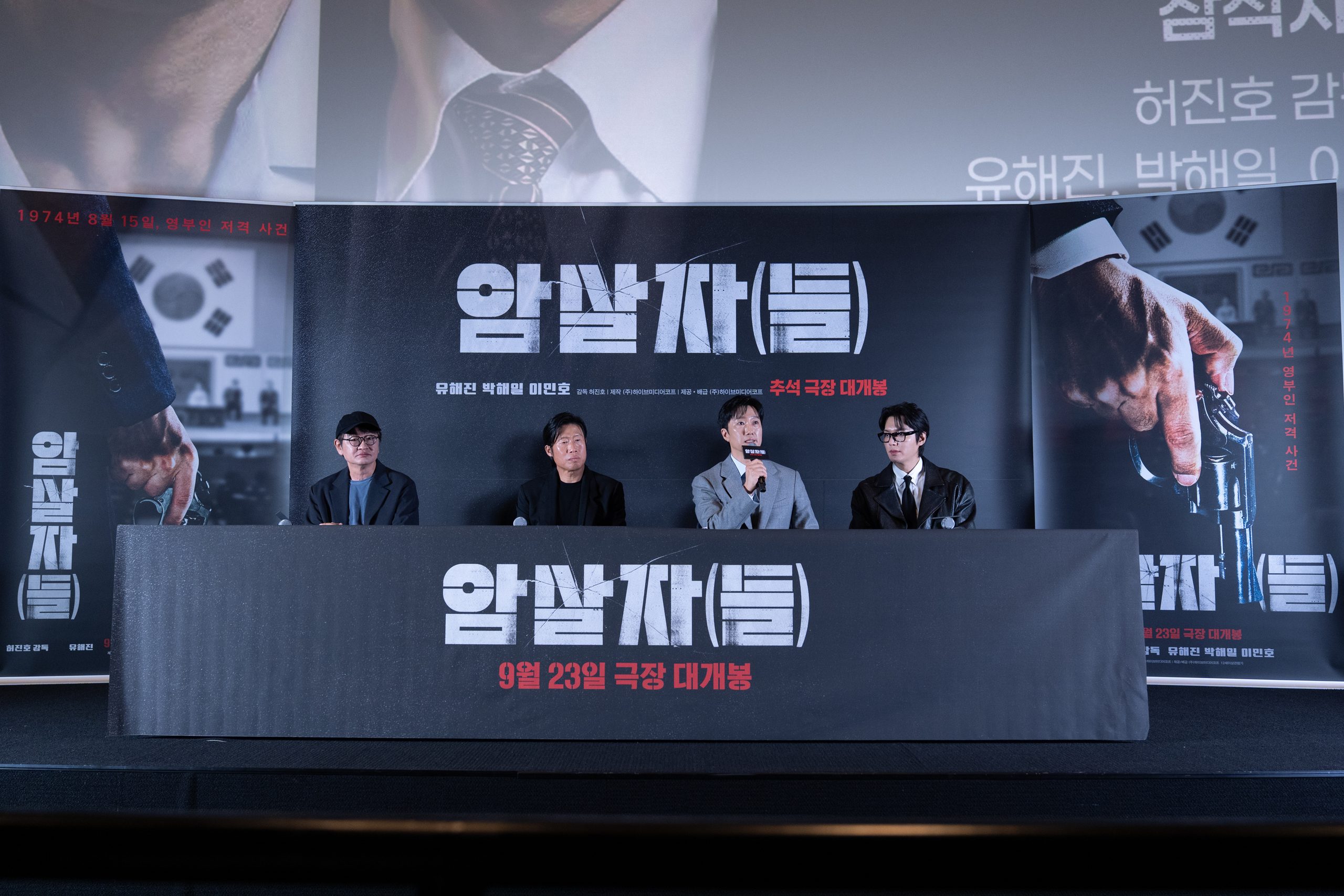
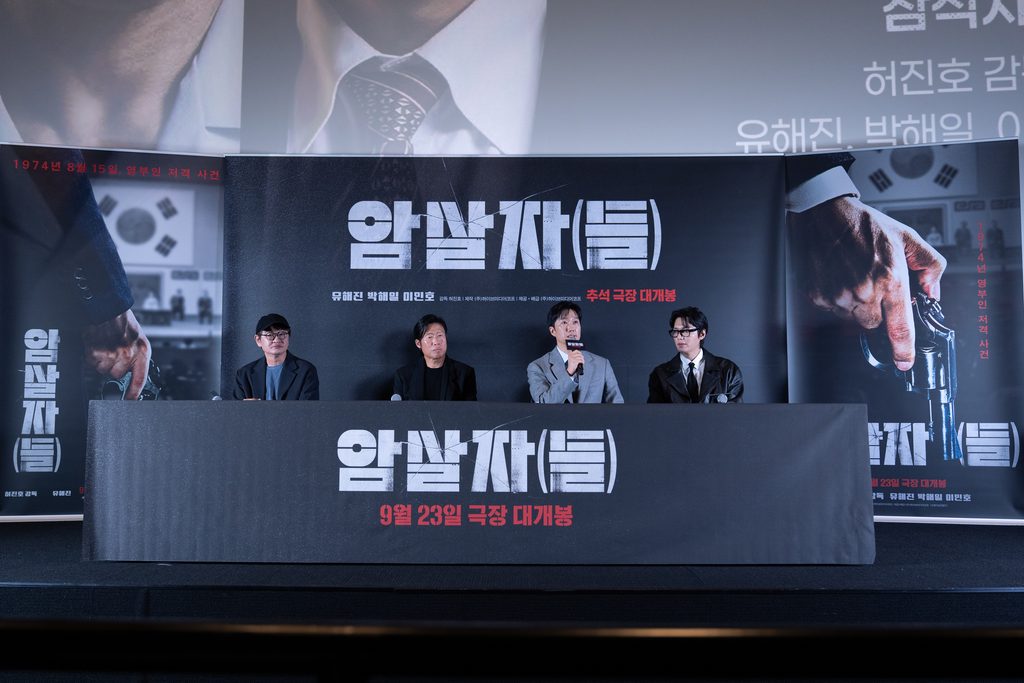
South Korea turned movies and television into one of its most visible global exports through hits such as Parasite and Squid Game. A new controversy surrounding the film The Assassin(s) is now exposing a less familiar risk behind that success as a dispute over modern Korean history has moved beyond criticism of the movie and into protests outside a lead actor’s home.
The confrontation has drawn in South Korea’s government. Culture Minister Choi Hwi-young said Sunday that he asked police and other authorities to provide safety measures for the cast and production staff and to take strict action against illegal threats and intimidation. He also rejected demands that the government stop screenings, arguing that disagreement with a film cannot justify state intervention before the courts determine whether any law was broken.
That distinction matters to an entertainment business that increasingly operates across national borders. Korean films and dramas are financed, licensed and distributed through an international market that includes major U.S. streaming and media companies.
Political controversy is not unusual in filmmaking, but pressure that extends to performers’ private lives or demands for government intervention creates a different kind of risk for companies deciding where and how to produce and distribute politically sensitive content.
The Assassin(s), which opened in South Korea on Sept. 23, is based on the 1974 attempt to assassinate President Park Chung-hee, the authoritarian leader who ruled South Korea for much of its rapid industrialization. The attack instead killed his wife, first lady Yuk Young-soo. The movie has become controversial because some characters suggest that senior figures in the Korean Central Intelligence Agency may have been behind the attack, a scenario critics say distorts the historical record.
The dispute intensified on Oct. 4 when members of conservative civic groups gathered near the home of Yoo Hai-jin, one of the movie’s lead actors, and demanded an apology from the cast and filmmakers. Some protesters also called for the movie to be withdrawn from theaters.
Yoo’s management agency said false claims, personal attacks and insults against the actor had been spreading and said it was taking seriously conduct that could invade his privacy, threaten his safety or damage his reputation. Choi responded by drawing a line between opposition to a film and actions directed at the people appearing in it. He said debate over the movie’s interpretation of history was legitimate, while threats against creators were not.
The movie is not a marginal release. It had drawn more than 2.04 million admissions by Oct. 3, making it one of the Korean films released this year to surpass the two million mark. That commercial reach has helped turn what might otherwise have remained a domestic historical dispute into a broader argument over how South Korea handles politically charged entertainment.
Choi’s response also puts the government in an unusually delicate position. South Korean authorities are being pressed simultaneously to protect actors from unlawful conduct and to stay out of decisions about what audiences are allowed to watch. Choi said any claims involving defamation or other legal violations should be resolved through civil or criminal proceedings rather than by having the government determine whether the film should remain in theaters.
The outcome will matter beyond this particular film because South Korea’s entertainment industry increasingly sells not only polished productions but also the expectation that filmmakers can work in a stable creative environment. As Korean content becomes more deeply integrated into the global media business, controversies such as The Assassin(s) show that the industry’s next challenge may involve protecting that environment when domestic political disputes follow creators off the screen and into their private lives.