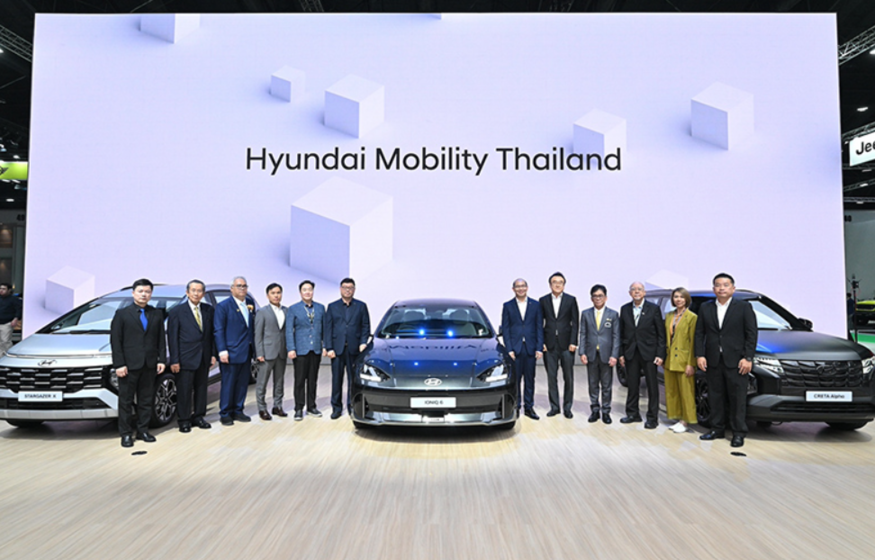
Hyundai Motor, the automaker from South Korea whose Hyundai and Genesis vehicles compete in the U.S. market, is looking to make Thailand a much bigger part of its electric vehicle strategy by moving beyond local assembly and adding research, advanced manufacturing and a deeper network of local parts suppliers.
The move offers a look at how Hyundai is trying to make EV production cheaper and more flexible outside its home market. Rather than shipping most components across borders and using Thailand mainly to assemble finished vehicles, the company is exploring whether more of the work can be done inside one established automotive center.
That matters because Hyundai is competing in a global EV market where manufacturing costs and supply chains are becoming as important as the vehicles themselves. Thailand gives the company something difficult to build quickly from scratch. The country already has an experienced auto workforce, a large parts industry and manufacturing infrastructure developed over decades of producing gasoline powered vehicles.
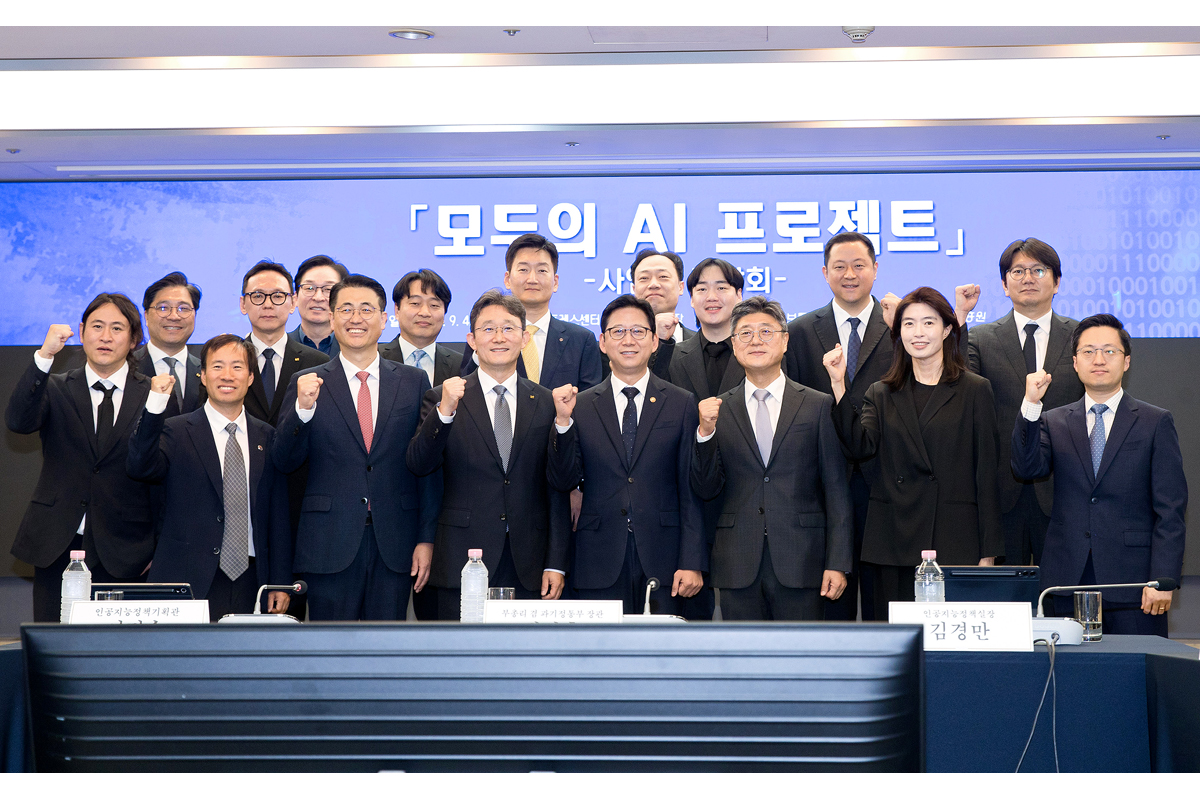
A Thai government and business delegation met Hyundai officials in Seoul on Sept. 28 to discuss how that existing industrial base could be expanded into electric vehicles.
The delegation was led by Narit Therdsteerasukdi, secretary general of the Thailand Board of Investment, the government agency responsible for attracting foreign investment. Thai officials asked Hyundai to expand beyond the EV and battery production it has already established in the country and invest in higher value areas.
Research and development and smart manufacturing were among the main areas discussed. The idea is to add engineering and more advanced production capabilities to Hyundai’s existing vehicle and battery operations rather than leave Thailand focused mainly on final assembly.
Local parts suppliers are another important piece of the strategy.
The Thai side discussed bringing more domestic component makers into Hyundai’s supply chain. A larger local supplier base would help Thailand preserve its automotive industry as the market shifts away from internal combustion engines, while giving Hyundai more parts that can be sourced closer to its factories.
That could also improve the economics of Hyundai’s regional EV business. More local procurement can reduce transportation costs, shorten supply routes and give the automaker more room to compete on price across Southeast Asia.
Hyundai has already started building that production base.
The company and Thonburi Automotive Assembly Plant, its Thai manufacturing partner, invested $30 million in an EV and battery facility in Samut Prakan Province. The plant began operations in May.
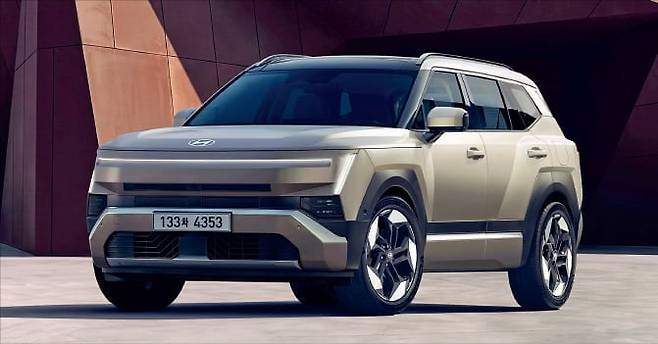
Hyundai followed in June with the launch of the 2026 IONIQ 5 N Line assembled locally from imported component kits. Thailand became the second country after South Korea to produce the model.
The significance of the next stage is that Hyundai is considering moving more of the production process inside Thailand instead of stopping at assembly.
Thailand is already the largest automobile production center in Southeast Asia. Its supplier network was built for the gasoline vehicle era, but many of the factories, workers and production capabilities can still provide a foundation for electric vehicle manufacturing.
Hyundai is effectively examining whether that existing system can be adapted into a regional EV supply chain.
That would give the company a production base combining vehicles, batteries, local components and potentially research and advanced manufacturing in the same market. It would also give Thailand a way to protect its position as the auto industry shifts toward electric powertrains and more technology intensive manufacturing.
The Hyundai meeting was part of a broader Thai effort to attract more investment from South Korea.
Narit traveled to South Korea for a two day investment roadshow beginning Sept. 28. The delegation also met T Robotics, a company from South Korea that makes vacuum robots used in semiconductor manufacturing equipment, and Cosmax, a South Korean cosmetics manufacturer that develops and produces products for other brands.
Thai officials also met the Federation of Korean Industries, a major South Korean business organization, to discuss investment cooperation in semiconductors, physical artificial intelligence and AI data centers.
But Hyundai represents a particularly important test for Thailand because the automaker already has vehicles and batteries coming off local production lines.
The question now is whether Thailand can become more than the place where those EVs are assembled and instead become the place where a larger share of Hyundai’s Southeast Asian EV supply chain is built.