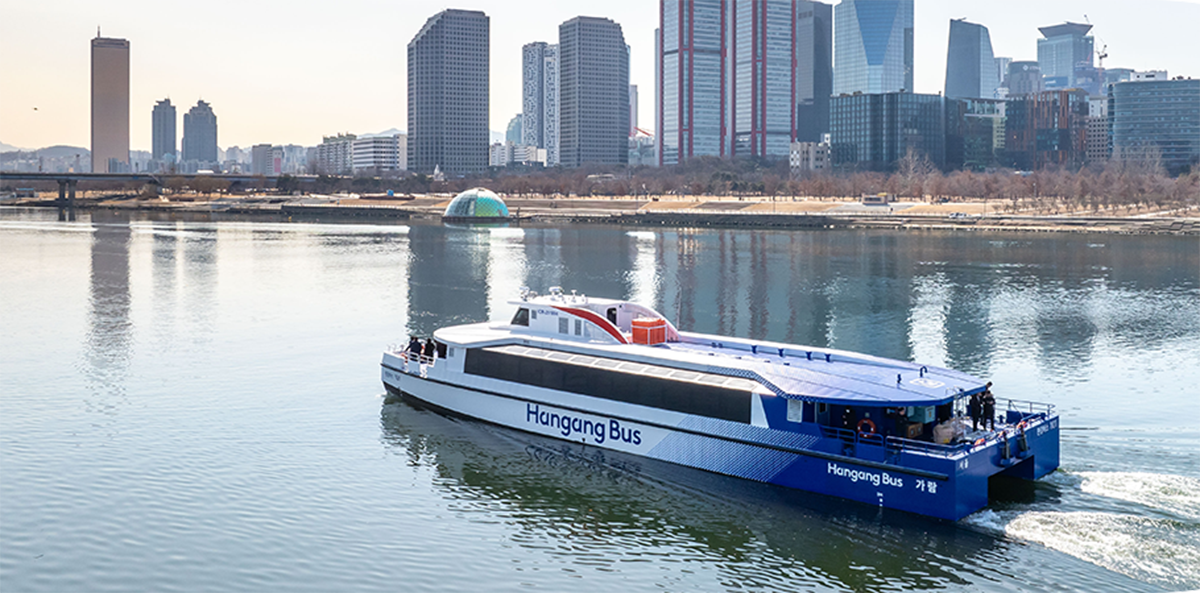
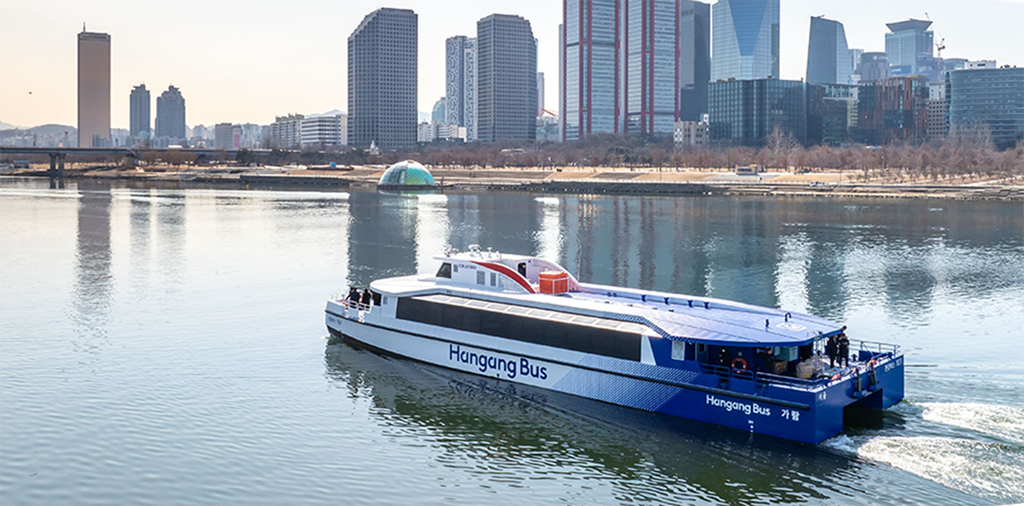
Seoul built its new river ferry as public transportation. Weekend passengers are increasingly treating it like an attraction.
That mismatch is now forcing South Korea’s capital to rethink how a city should price a service that has to function as both transportation and entertainment. Seoul is considering doubling the adult fare on its Han River Bus to $4 from $2 on weekends and public holidays while leaving the weekday price unchanged.
The experiment matters beyond the price of a ferry ride in Korea. Urban transportation operators face a basic problem when a subsidized service attracts large numbers of passengers who are not using it for everyday travel. Seoul’s proposed answer is to keep the lowest fare for routine use while asking people traveling at the busiest and most recreational times to pay more. The city also wants to sell a limited number of reserved seats for an additional fee, bringing a form of demand based pricing into public transportation.
The Han River Bus is a passenger ferry network that runs along the Han River through Seoul. It began operating in September 2025 with one fare for all passengers regardless of when they traveled or how they used the service.
The simple pricing model has become harder to maintain as weekend demand has surged.
Average weekend ridership reached 4,467 passengers a day in June, more than double the weekday average of 2,151. Many weekend passengers are using the ferries for sightseeing and leisure rather than commuting.
That has created longer waiting times, crowded terminals and complaints about passengers having to board in the order they arrive. Seoul has also been deploying seven to nine additional safety workers each day on weekends to manage the larger crowds.
The city is now trying to separate those two types of demand through price.
Under the proposal, the adult fare would remain $2 on weekdays but rise to $4 on weekends and public holidays. Passengers ages 13 to 18 would pay $2.6 instead of $1.3 during those periods, while children ages 6 to 12 would pay $1.6 instead of $0.8.
Seoul is also preparing to test advance reservations for between 10% and 20% of the ferry seats. Passengers choosing a reserved seat would pay an additional $1.3.
The reservation system is expected to begin on a trial basis in October. The city will decide later whether to make it permanent.
Together, the proposals would give Seoul more ways to charge passengers according to when and how they use the service rather than treating every trip as economically identical.
That shift could be significant for companies involved in urban mobility, transportation payments and reservation technology. A transit system that changes prices according to demand requires more than boats and terminals. It also depends on digital ticketing, reservation management and systems capable of distinguishing between different passengers, travel periods and fare categories.
Seoul has another reason to experiment with the model. The Han River Bus is losing money.
The city estimates that operating losses accumulated through 2027 could reach about $10 million. Officials have projected that the service could turn profitable as early as 2028, but until then the shortfall has to be supported by the city.
Higher weekend fares would not eliminate that problem immediately, but they could reduce it.
The Seoul Institute, a policy research organization funded by the city, estimates that the proposed weekend pricing system could increase Han River Bus revenue by about $688,000 in 2028 compared with keeping the current fare unchanged.
The city also believes passengers have room to absorb a higher price.
A survey of 2,107 passengers getting off at the Yeouido and Jamsil terminals found a median willingness to pay of $6. That means at least half of the passengers surveyed were prepared to pay that amount for the service.
Seoul also considered the price of other transportation in the metropolitan area when developing the proposal. Airport rail fares can reach about $3.9, close to the proposed $4 weekend Han River Bus fare.
The city says it intends to keep the maximum Han River Bus fare below $7 even if it expands differentiated pricing in the future.
The larger challenge is deciding what the Han River Bus is supposed to become.
If it is primarily public transportation, keeping fares low remains important because the service is part of the city’s broader mobility network. If growing numbers of passengers use it as a weekend experience, however, charging every rider the same subsidized price becomes harder to justify as operating costs rise.
Seoul is trying to preserve both roles rather than choosing one.
The city is keeping the weekday base fare at $2 while concentrating the increase on weekends and public holidays, when recreational demand is strongest. It is also considering whether residency should eventually influence prices or discounts because Seoul residents ultimately help finance operating deficits through the city budget.
That would push the system further away from a single flat fare and toward a model that distinguishes between routine transportation, discretionary travel and passengers willing to pay extra for convenience.
Seoul plans to review public feedback before seeking approval from the Seoul Metropolitan Council in November. If the proposal moves forward and the required payment systems are completed, the new fares could take effect in April 2027.
The most important test will not be whether passengers are willing to spend another $2 on a weekend ferry ride. It will be whether a city can use higher prices on recreational demand to reduce crowding and subsidies without making everyday public transportation more expensive for the people who depend on it.