
Apple’s entry into the foldable-phone market is already reshaping the premium smartphone landscape in South Korea, with early sales data offering U.S. technology companies and investors a glimpse of how Apple’s arrival could expand the category while intensifying competition for high-end consumers and component suppliers.
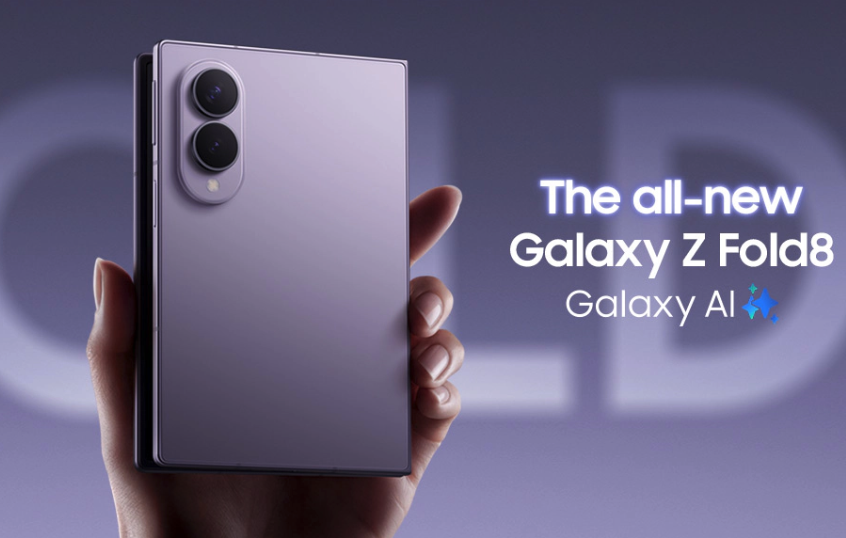
Sales of Samsung Electronics’ Galaxy Z Fold 8 rose about 10% in the week after Apple unveiled its first foldable smartphone, the iPhone Duo, compared with the previous week, according to South Korean telecommunications-industry sources on September 17.
The increase suggests that some consumers who had postponed purchases while waiting to see Apple’s device instead opted for Samsung’s latest foldable. The early response also points to a broader opportunity for companies supplying displays, semiconductors and other components as the two smartphone giants compete to drive adoption of foldable devices.
Timing may have worked in Samsung’s favor. Apple’s foldable is expected to launch in South Korea in late October or early November, while the Galaxy Z Fold 8 is already available. Consumers looking to buy a foldable immediately therefore have Samsung as the more readily available option.
Price is another important factor. In South Korea, the 256-gigabyte iPhone Duo is priced at about $2,380, compared with roughly $1,650 for the 256GB Galaxy Z Fold 8. The difference of more than $700 is substantially wider than the roughly $100 gap between the two models in the U.S.
Apple’s 2-terabyte model is priced at about $3,680 in South Korea, putting it firmly at the high end of the premium smartphone market.
Hardware differences could also influence buying decisions. The iPhone Duo weighs about 8.96 ounces and measures 0.45 inch thick when folded. The Galaxy Z Fold 8 weighs about 7.09 ounces and is about 0.42 inch thick when folded, making Samsung’s device both lighter and slightly thinner.
The two companies are also taking different approaches to large-screen productivity. Apple’s foldable centers on a two-way split-screen layout, while Samsung allows users to run as many as three apps simultaneously in a split-screen arrangement.
For Apple, the launch marks its first major push into a smartphone segment that Samsung has spent years developing. For Samsung and its suppliers, the arrival of a new heavyweight competitor could increase pressure on pricing and product innovation, but it could also raise consumer awareness of foldable phones and expand the addressable market.
The initial sales increase for Samsung does not establish a long-term advantage. It does, however, suggest that Apple’s unveiling has prompted some South Korean consumers to act on purchases they had delayed—and some of those buyers chose Samsung rather than wait for Apple.
The more important test will come after the iPhone Duo reaches South Korean stores. Consumers will then be able to compare the two devices directly on price, portability and large-screen functionality, providing a clearer indication of whether Apple can turn its established position in premium smartphones into sustained demand for foldable devices.