Higher U.S. interest rates and the global rush into artificial intelligence and semiconductors are changing where investors are willing to take risk, and South Korea’s biotech market is emerging as one of the clearest examples of that shift.
Earlier this year, pharmaceutical and biotechnology companies occupied seven of the 10 largest positions on the KOSDAQ, South Korea’s main market for smaller growth companies. Now only Alteogen remains. The reversal matters beyond South Korea because Korean biotech companies have become increasingly important partners to global drugmakers through licensing agreements, while investors are becoming less willing to reward companies whose profits may still be years away.
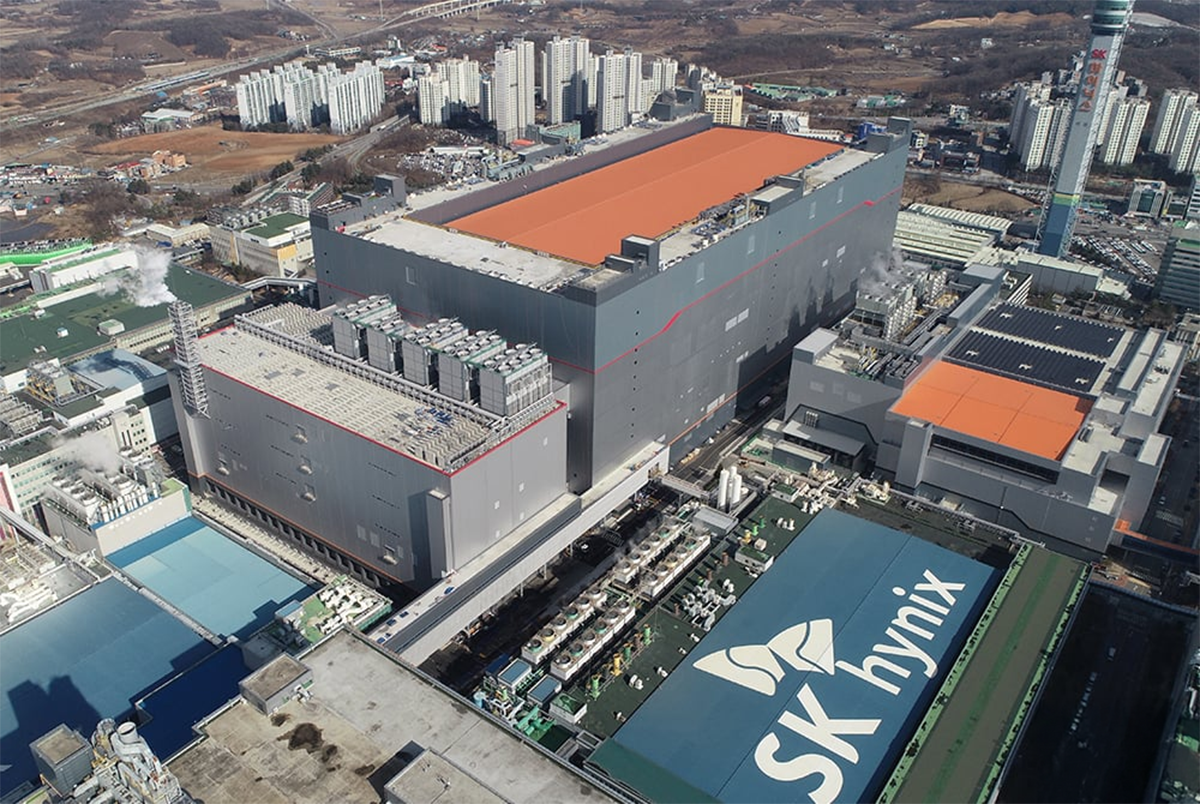
The pressure is coming from both sides. Higher interest rates make it more expensive to fund the long research cycles required to develop new drugs, while the AI boom is pulling capital toward semiconductor companies with stronger near term earnings prospects. In South Korea, that competition for capital has helped push money toward Samsung Electronics and SK hynix, the country’s two largest chipmakers, and away from smaller biotech companies.
The damage is visible across biotechnology focused exchange traded funds. The TIGER KOSDAQ150 Biotechnology ETF fell 19.05 percent over the past month, according to Koscom ETF Check. The fund invests in companies including Alteogen, HLB, Peptron and ABL Bio.
Other biotechnology funds have suffered similar declines. RISE Bio TOP10 Active fell 17.8 percent over the same period, TIME K Bio Active dropped 17.3 percent, KoAct Bio Healthcare Active lost 16.12 percent and KODEX Bio declined 13.83 percent.
The longer term losses are even steeper. Many Korean pharmaceutical and biotechnology ETFs have fallen between 40 percent and 50 percent over the past six months. RISE Bio TOP10 Active, which invests in 10 Korean companies involved in drug development, biosimilars and contract development and manufacturing, has dropped 54.43 percent. Excluding leveraged and inverse products, it ranks as the second worst performing ETF in South Korea over that period.
Interest rates are a particularly important problem for biotechnology companies because many of them spend heavily for years before a successful drug begins generating meaningful revenue. When borrowing costs rise, financing research becomes more expensive and investors tend to assign lower values to earnings expected far in the future.
That pressure has intensified as the yield on the benchmark 10 year U.S. Treasury moved above 5 percent. The higher yield gives investors a more attractive alternative to speculative growth companies and raises the hurdle that drug developers must clear to justify their valuations.
Company specific problems have added another layer of risk.
Kolon TissueGene, a biotechnology company affiliated with South Korea’s Kolon industrial group, said in July that the first Phase 3 U.S. study of its osteoarthritis cell and gene therapy TG C failed to achieve statistical significance. The treatment had attracted attention for its potential to reduce knee pain and improve joint function without surgery. Shares that once traded around $101 have since fallen to about $7.
ABL Bio, a Korean biotechnology company developing cancer immunotherapies and treatments for degenerative brain diseases, has also come under pressure. The company is being investigated over allegations that information related to a major licensing agreement was used before public disclosure to generate improper profits. Its shares recently fell to a yearly low of about $39.
Those setbacks have hurt confidence across the sector at the same time that investors are finding more attractive opportunities elsewhere.
During the first half of the year, money poured into Samsung Electronics and SK hynix as demand for chips tied to AI infrastructure strengthened investor interest in South Korea’s semiconductor industry. Capital also moved into semiconductor equipment and materials companies and leveraged products linked to individual stocks.
Most Korean biotech companies trade on the KOSDAQ, leaving them especially exposed as foreign and institutional investors concentrate more of their buying in larger semiconductor companies.
Even major licensing deals have struggled to reverse the trend.
Alteogen, a Korean biotechnology company specializing in drug delivery technology, said earlier this month that it signed a licensing agreement worth as much as $3 billion with Swiss pharmaceutical company Novartis. The deal gives Novartis rights to use Alteogen’s ALT B4 technology to develop multiple biologic medicines in forms that can be injected under the skin.
The agreement would normally be expected to strengthen investor confidence because it shows that a major global pharmaceutical company sees commercial value in Alteogen’s technology.
Instead, Alteogen’s shares have fallen from about $217 to roughly $181.
That reaction shows how much the market’s expectations have changed. Investors are no longer treating a large licensing agreement or promising clinical pipeline as sufficient evidence that a biotechnology company deserves a higher valuation. They are increasingly looking for proof that those assets can produce durable revenue and cash flow.
The shift has transformed the KOSDAQ rankings. Alteogen is now the only biotechnology company among the market’s 10 largest companies by value, while semiconductor suppliers and robotics companies have moved into positions previously occupied by drug developers.
South Korea’s biotechnology companies have spent years attracting investors with the possibility of clinical breakthroughs and partnerships with major global drugmakers. Those opportunities have not disappeared. The sector still includes companies developing new drugs, biosimilars, manufacturing services and drug delivery technologies that can be valuable to multinational pharmaceutical groups.
What has changed is the price investors are willing to pay before those opportunities become businesses.
With U.S. Treasury yields elevated and AI related semiconductor companies competing aggressively for capital, Korean biotech companies are being forced to meet a higher standard. Scientific promise and billion dollar deals may still attract attention, but the market is increasingly demanding something more concrete in return, sustainable revenue, successful commercialization and cash flow.