South Korean stocks fell September 15 as a renewed surge in the U.S. 10-year Treasury yield above 5% raised the prospect of tighter financial conditions for global investors and added pressure to already-stretched equity valuations. The move came as investors were also reassessing the pace of artificial-intelligence investment, putting semiconductor and other technology shares under renewed scrutiny.
The Kospi fell 0.85% to 6,627.26, with the benchmark swinging through a 133-point intraday range. Foreign investors sold a net ₩1.71 trillion ($1.16 billion) of Kospi shares, while institutional investors sold ₩1.14 trillion. Individual investors bought ₩1.19 trillion.
The U.S. 10-year Treasury yield briefly climbed above 5.03% during Asian trading hours, according to Investing.com, reaching its highest level since 2007. For U.S. and global investors, a sustained rise in long-term Treasury yields could be more consequential than the initial breach of the 5% threshold because higher risk-free rates can put pressure on the valuation multiples investors are willing to pay for equities, particularly growth stocks.
“The key issue isn’t simply the break above 5%, but whether yields continue to rise from here and trigger a de-rating of stock-market multiples,” said Han Ji-young, a researcher at Kiwoom Securities.
Investors are also watching whether the Federal Reserve can maintain its inflation-fighting stance without signaling an aggressive path for further rate increases. Market-rate stability will be an important consideration for investors assessing their equity exposure, Ms. Han said.
The latest retreat in Korean technology stocks reflects a broader debate over whether the enormous spending on AI infrastructure can continue at its recent pace. Investors have increasingly focused on the ability of frontier AI models to improve their training efficiency and on the speed of recursive self-improvement, rather than interpreting recent concerns as evidence that AI development itself is coming to an end.
“The decline in stock prices driven by weaker investor sentiment appears excessive relative to fundamentals,” said Lee Joon-young, a researcher at Eugene Investment & Securities.
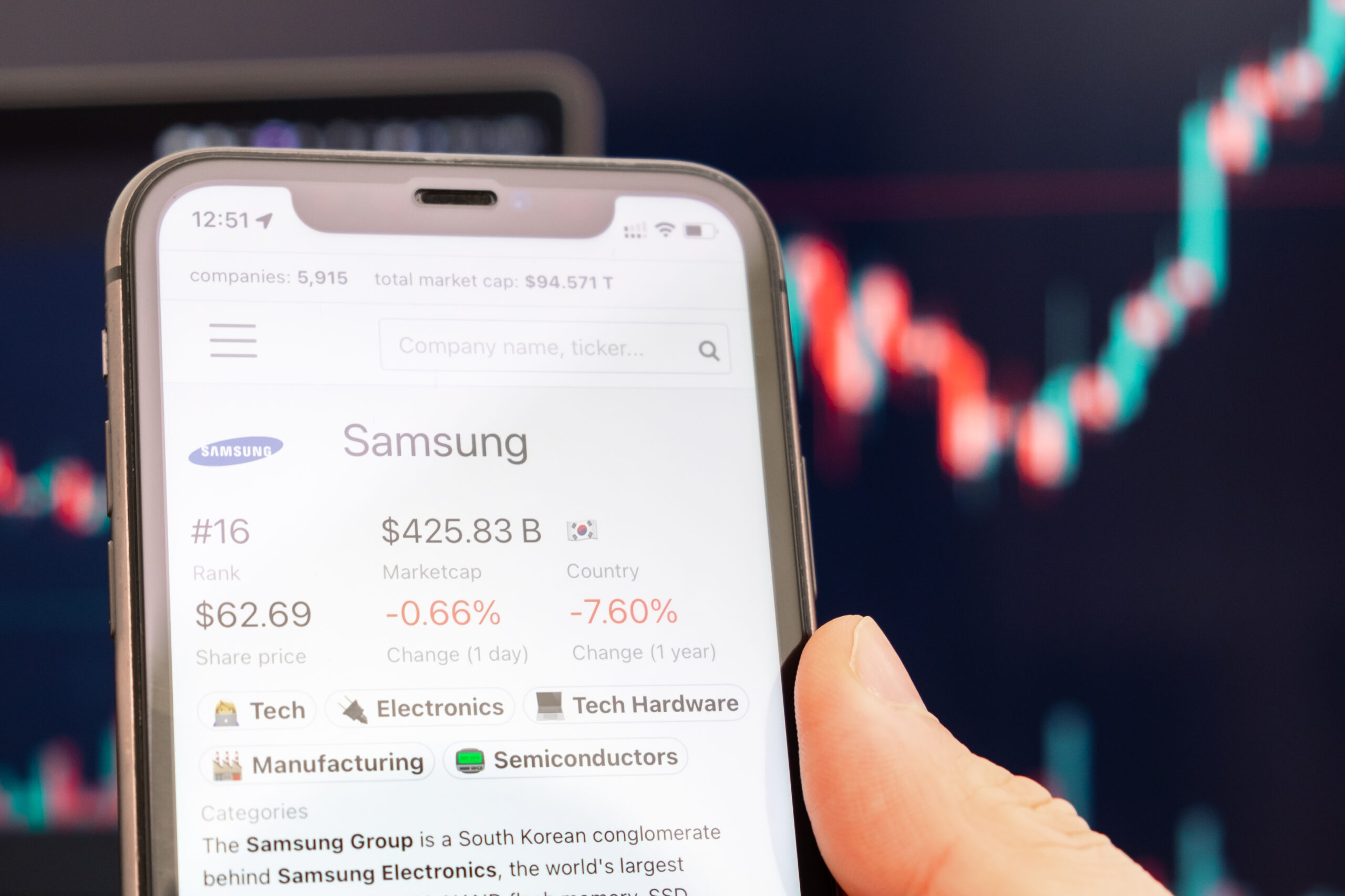
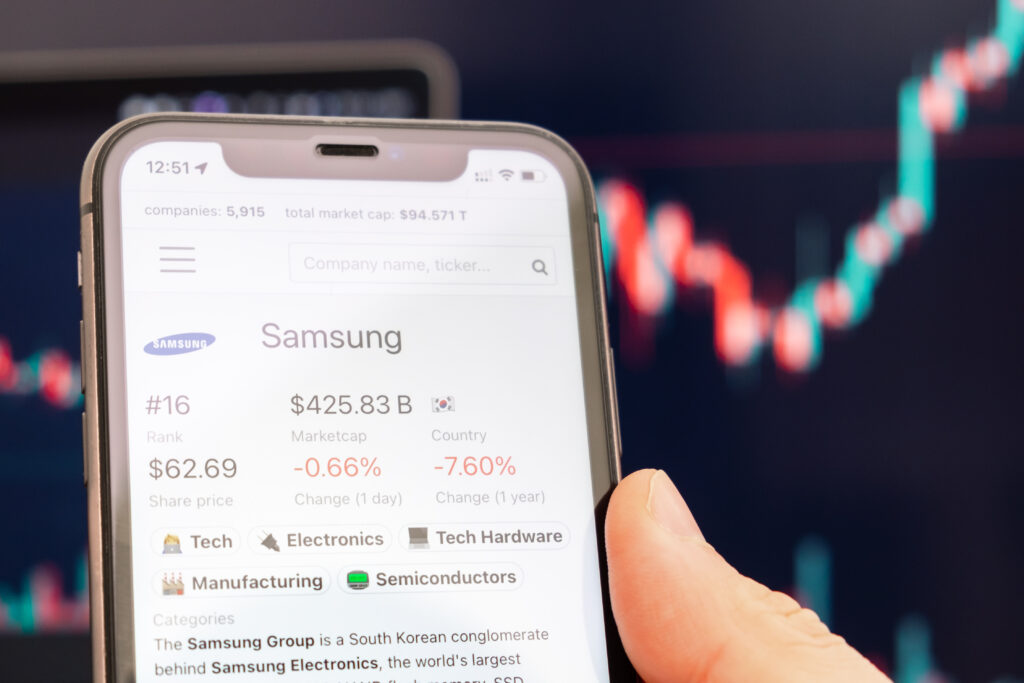
The pressure was concentrated in some of South Korea’s largest technology companies. Samsung Electronics slipped 0.20% to ₩248,500, while SK Hynix fell 0.41% to ₩1.69 million. LG Energy Solution bucked the trend, rising 3.98%.
Transportation-equipment and insurance stocks fell more than 3%, while medical-equipment shares gained more than 1%.
The Kosdaq, which is more heavily weighted toward smaller technology and growth companies, rose 0.70% to 812.41. Foreign investors bought a net ₩69.2 billion of Kosdaq shares, while institutional investors purchased ₩113.4 billion. Individual investors sold ₩185.6 billion.
Among major Kosdaq stocks, EO Technics gained more than 4%, while Ecopro, Rainbow Robotics and Ecopro BM rose between 2% and 3%. Jusung Engineering fell more than 6%, while Wonik IPS and Leeno Industrial declined more than 1%. Alteogen was little changed.
For global investors, the next signal may come less from the daily moves in Korean stocks than from the direction of U.S. long-term yields and the durability of corporate spending on AI. A further rise in Treasury yields would increase the valuation pressure on growth-oriented markets, while stabilization in rates could give investors more room to reassess the fundamental outlook for technology and semiconductor companies.