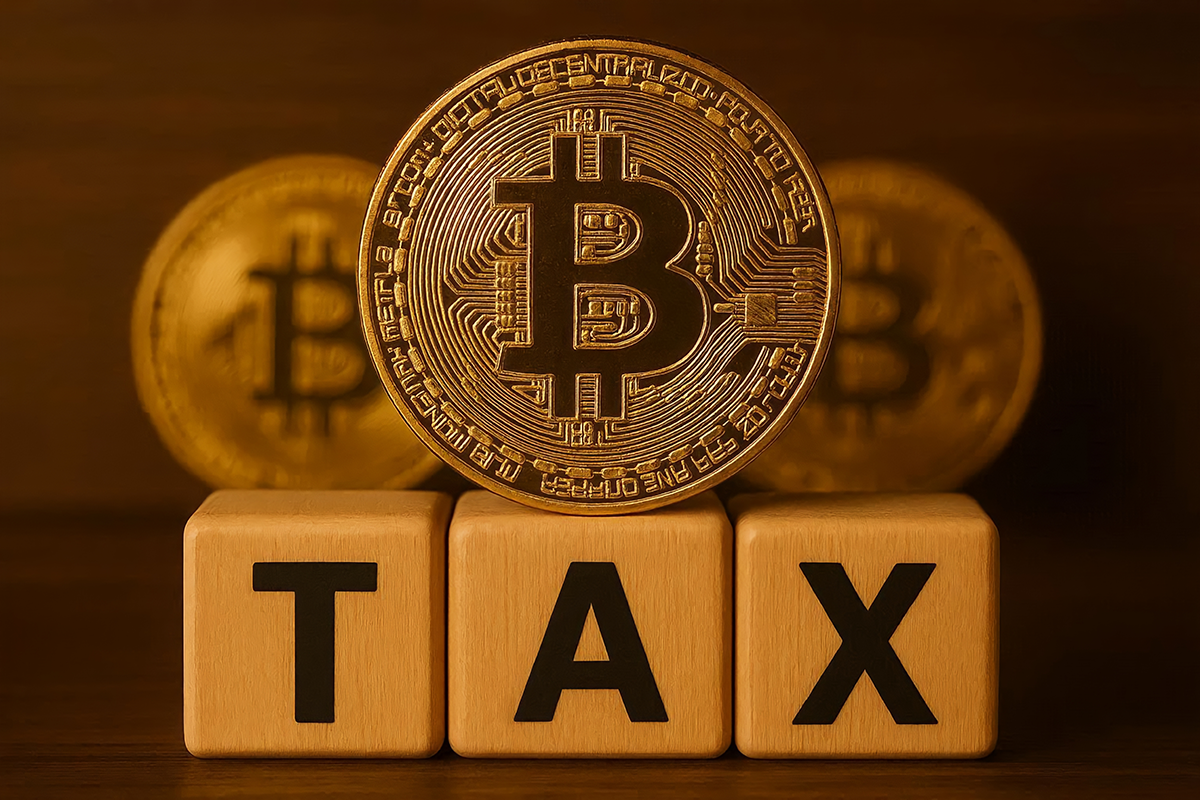
South Korea is preparing to tax cryptocurrency profits beginning next year, ending years of delays as the government argues that gains from digital assets should no longer sit outside the country’s income tax system. The decision would bring one of the world’s most active retail crypto markets more firmly into the tax net just as U.S. lawmakers are considering ways to reduce some of the tax and reporting burdens surrounding digital assets.
The contrast matters because the two countries are wrestling with the same question from different directions. South Korea is focused on collecting tax from an investment market that has expanded far beyond a niche group of traders. In Washington, House lawmakers are examining whether existing tax rules make some routine uses of cryptocurrency unnecessarily complicated, including transactions involving network fees and regulated dollar stablecoins. The U.S. proposals would not make crypto investment gains broadly tax free, but they would remove taxes or reporting requirements from some transactions and simplify accounting for others.
That divergence could become increasingly relevant to U.S. exchanges, fintech companies and investors as crypto businesses operate across markets with different tax rules. South Korea is trying to establish the principle that profits made from digital assets should be taxed like other income, while some U.S. lawmakers are trying to make certain digital asset transactions easier to conduct without triggering complicated tax calculations. Neither approach has settled the broader question of how governments should tax an asset that can function as both an investment and a means of payment.
Lee Hyoung il, South Korea’s nominee for deputy prime minister and finance minister, told lawmakers Tuesday that the government intends to proceed with taxation on Jan. 1, 2027. The tax was originally scheduled to take effect earlier, but lawmakers postponed implementation by two years in 2024. South Korea’s National Tax Service says income generated by selling or lending crypto assets will be classified as separately taxed miscellaneous income once the system begins.
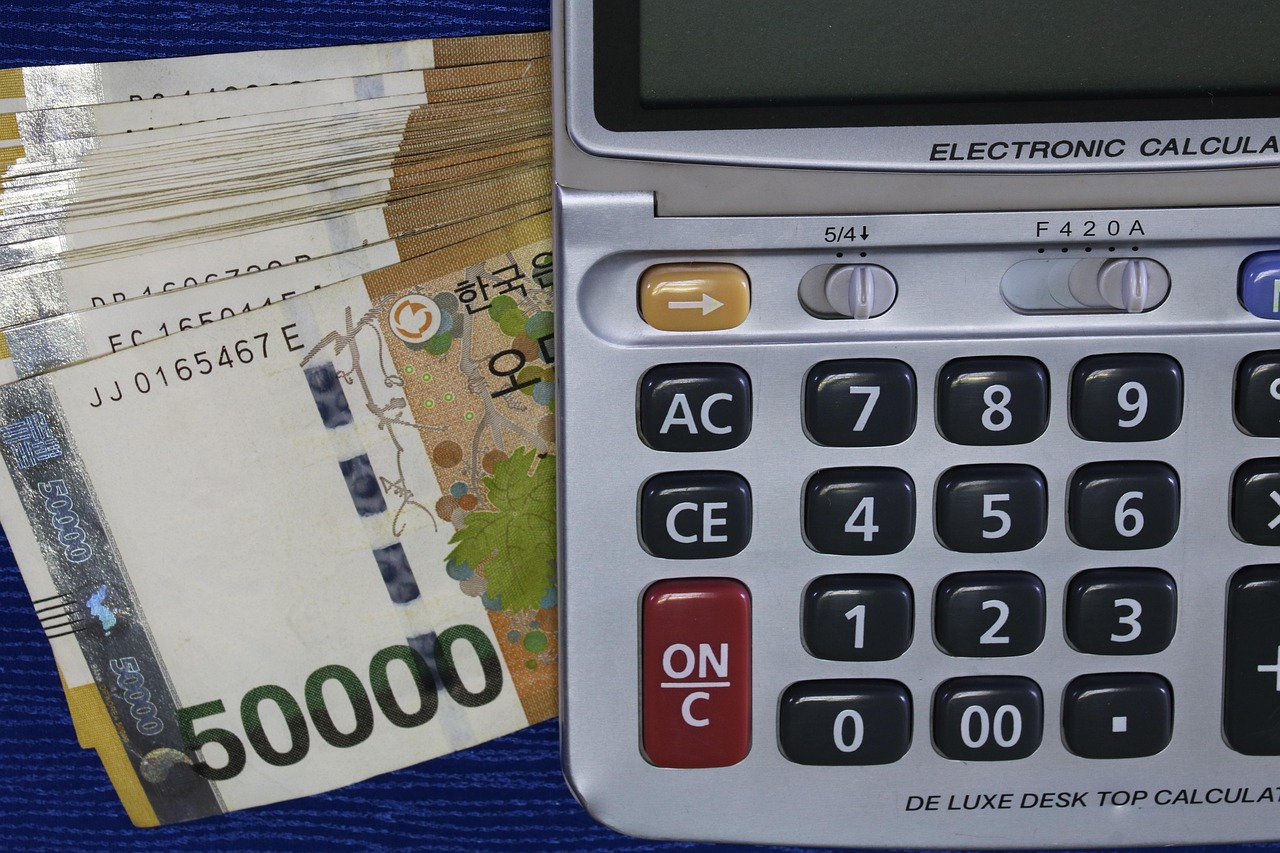
Under the current law, investors will receive an annual deduction of 2.5 million won, about $1,830. Gains above that amount will face a 20% national tax, with local income tax bringing the effective rate to 22%. The tax applies to realized gains rather than the value of the cryptocurrency an investor holds.
The government’s case for proceeding rests largely on tax fairness. Crypto trading has developed into a mainstream form of investment in South Korea, and the government and ruling party argue that income should not escape taxation simply because it was generated through digital assets. Upbit, South Korea’s largest cryptocurrency exchange, had 13.26 million cumulative members as of last December according to figures cited in the domestic debate, illustrating how deeply crypto trading has penetrated the country’s retail investment market.
Lee argues that the headline 22% rate exaggerates the effect most investors will actually feel. He told lawmakers that about 85% of crypto investors hold less than 5 million won, roughly $3,660, and said the annual deduction and rules governing the cost basis of existing holdings should leave many investors with little or no tax liability.
Cryptocurrency already owned before the tax takes effect receives additional protection. When calculating gains on assets held before 2027, investors can generally use the higher of their original purchase price or the market value immediately before the new regime begins as the acquisition cost. That structure is designed to prevent the government from taxing much of the appreciation accumulated before the tax system takes effect.
The opposition People Power Party is challenging that logic. Its lawmakers argue that imposing a 22% tax on crypto gains is difficult to justify when most ordinary Korean stock investors do not pay capital gains taxes on their trading profits. They have also warned that taxing domestic crypto activity before cross border reporting systems are fully developed could encourage some investors to move assets or trading activity overseas. Those potential capital movements remain an opposition argument rather than an established consequence of the tax.
The debate comes as Washington considers changes pointing in a different direction. The House Ways and Means Committee held a legislative hearing in June on a package of digital asset tax bills. One proposal would exclude gains or losses arising when digital assets are used to pay network fees, exclude certain gains or losses involving regulated U.S. dollar stablecoins and allow a simplified accounting method for some digital asset transactions. Other measures seek to clarify taxation of mining and staking and extend some tax rules already available to traditional financial assets to digital assets.
House Ways and Means Chairman Jason Smith, a Missouri Republican, has argued that unclear tax rules and extensive reporting requirements make digital assets harder to use and could undermine the competitiveness of the U.S. crypto industry. That reflects the position of Republican lawmakers advancing the legislation rather than a final policy adopted by Congress.
South Korea is now approaching the opposite test. After repeatedly postponing taxation while its crypto market expanded, the government says the time has come to treat digital asset profits as taxable income. Whether lawmakers allow the system to take effect in 2027 will determine whether South Korea moves ahead with that approach while Washington continues debating how much tax friction should be removed from the rapidly evolving digital asset economy.