Americans who found Seoul unusually cheap earlier this year may notice a difference on their next trip. The dollar no longer stretches as far in South Korea as it did when the won was substantially weaker, reducing the currency discount that helped turn the country into an increasingly attractive place to shop.
That change is about more than the cost of a vacation. Foreign visitors poured money into Korean department stores during the first half of the year, buying fashion, cosmetics, food and luxury goods as their currencies bought more won. The strengthening Korean currency will now test whether that spending boom was largely a product of favorable exchange rates or whether travelers have developed enough appetite for Korean brands and shopping experiences to keep spending even when the bargains become less compelling.
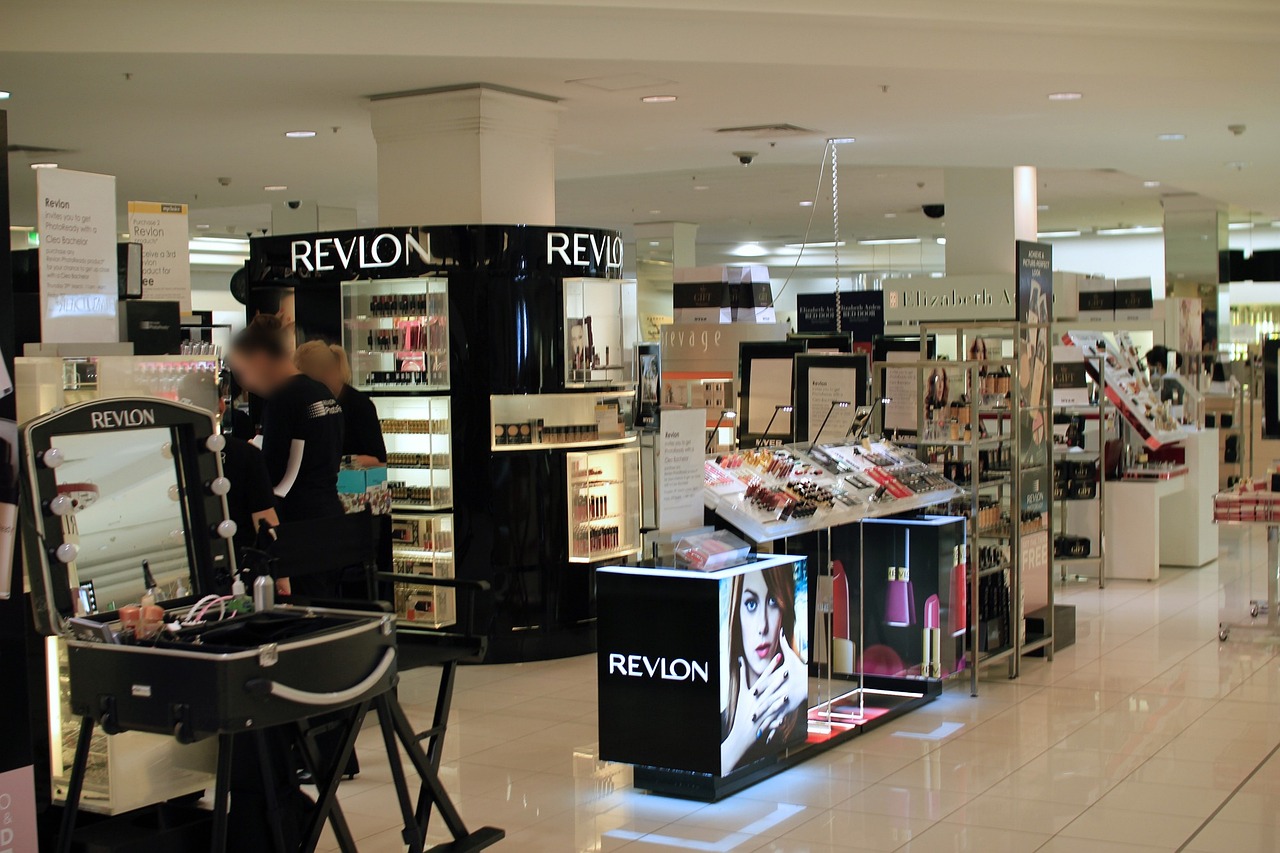
The answer also matters to global luxury, beauty and fashion companies selling in South Korea. Tourist spending has increasingly flowed through department stores rather than traditional duty free shops, changing where international brands encounter overseas customers in one of Asia’s major shopping destinations.
South Korea welcomed 10.71 million foreign visitors in the first half of the year, up 21.3% from a year earlier. Foreign visitors’ card spending jumped 50.8% to about $75 billion from $50 billion, according to government and industry data.
Much of that growth showed up in department stores.
Foreign customer sales at Lotte Department Store, one of South Korea’s largest department store chains, surged 124.6% to about $480 million. Shinsegae Department Store, operated by one of the country’s major retail groups, recorded about $430 million, up 120.5%, while Hyundai Department Store, another leading Korean retailer, posted about $370 million, up 112.8%.
Duty free shops did not enjoy anything close to the same boom. Total duty free sales rose only 1.8% to $4.8 billion, while sales to foreign customers increased 11.2% to $3.7 billion. That was well below the growth in both international arrivals and overall foreign card spending.
The weak won helped explain part of the gap.
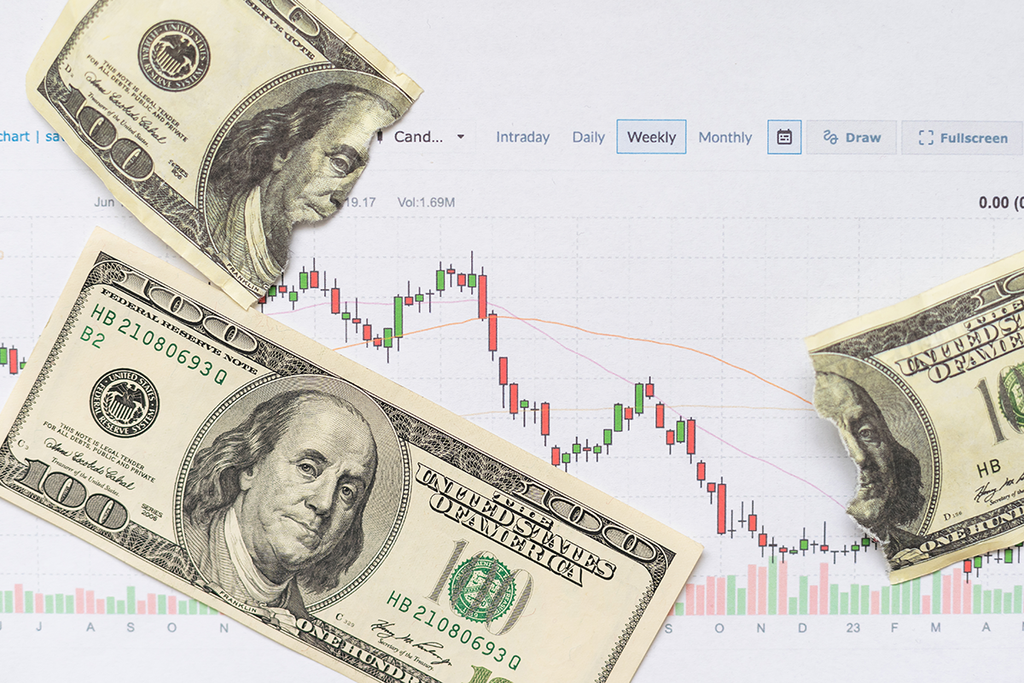
During the first half, the dollar bought an average of 1,484 won. That gave visitors carrying dollars and other strong currencies substantially more purchasing power once they arrived in Korea. A $100 budget converted into far more won than it does after the currency’s recent rebound.
Department stores were well positioned to capture that advantage because their merchandise is priced directly in won. Clothing, cosmetics, restaurant meals and other purchases immediately became cheaper from the perspective of a dollar holding traveler as the Korean currency weakened.
Duty free retail works differently.
Many products in Korean duty free shops are priced in dollars. That means a falling won does not produce the same straightforward discount that foreign travelers see on won denominated merchandise elsewhere. For Korean consumers, the effect can be even less favorable because they must convert more won to buy dollar priced products.
Earlier this year, that dynamic produced an unusual result. The won equivalent of some cosmetics and luxury goods sold at duty free shops approached regular department store prices. Once department store promotions were included, some products were cheaper at the department store.
The result weakened one of duty free retail’s most basic selling points.
Now the currency is moving the other way.
The dollar has recently fallen below the mid 1,300 won range, meaning visitors exchanging dollars receive fewer won than they did during the first half. A trip to Seoul has not suddenly become expensive, but part of the exchange rate discount that made shopping unusually attractive has disappeared.
For duty free operators, however, the same currency move could provide relief. Korean travelers heading overseas need fewer won to buy dollar priced products, potentially restoring some of the price advantage on cosmetics, fragrances, liquor and fashion accessories.
Department stores face the opposite test.
If foreign shoppers were primarily responding to favorable exchange rates, a stronger won could slow the extraordinary increases in tourist spending recorded earlier this year.
But Korean retailers have been working to make that relationship less dependent on price.
Department stores have expanded Korean fashion labels, beauty products, restaurants and temporary pop up stores that are difficult for visitors to find in conventional duty free shops. Shopping has increasingly become part of the tourism experience itself rather than simply a hunt for imported luxury goods at a lower price.
Retailers say they have yet to see a clear decline in foreign spending as the currency strengthens.
That makes the coming months an important test. If tourists continue filling Korean department stores even as their dollars buy fewer won, the shopping boom will increasingly look like evidence of demand for Korean fashion, beauty, food and retail experiences themselves.
If spending shifts back toward duty free shops or slows as the currency advantage disappears, the weak won will have played a much larger role in the boom than the headline sales numbers initially suggested.
For travelers, the change is easier to understand. South Korea was a better dollar bargain earlier this year. The question now is whether people will still want to shop there when the bargain is smaller.