South Korea will freeze its national health insurance contribution rate at 7.19% in 2027, relying partly on stronger income generated by its semiconductor boom to absorb rising medical costs without asking workers and employers to pay more.
The decision shows how far the global AI and semiconductor boom is spreading through the Korean economy. Higher wages and household income can increase health insurance contributions even when the rate itself stays unchanged, giving the government more room to finance a healthcare system facing mounting pressure from population aging.
The development matters beyond South Korea because the country sits at the center of the global memory chip supply chain. Samsung Electronics, South Korea’s largest technology company and a major memory chip producer, and SK Hynix, one of the world’s leading suppliers of advanced memory used in AI computing, are benefiting from strong demand tied to artificial intelligence infrastructure. The resulting gains are now influencing not only exports and corporate earnings but also wages, labor costs and public finances.
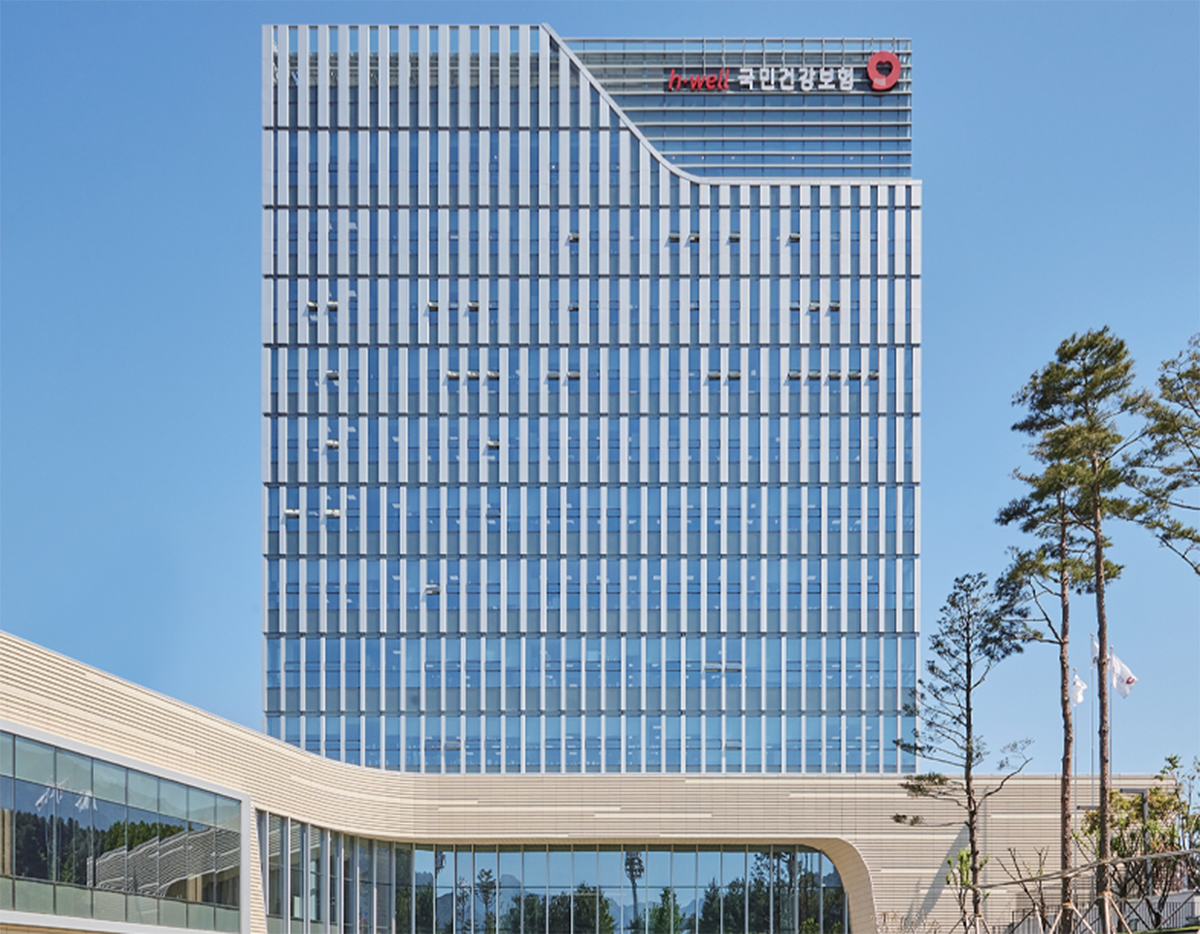
The Ministry of Health and Welfare approved the 2027 freeze on Sept. 8 through the Health Insurance Policy Deliberation Committee. The 7.19% rate will remain unchanged for both employees covered through workplaces and individually insured subscribers.
South Korea kept the contribution rate at 7.09% in 2024 and 2025 before raising it to 7.19% this year.
Health authorities said the system remains financially stable enough to avoid another increase. National health insurance held about $22 billion in reserves at the end of 2025, equivalent to roughly 3.5 months of benefit payments, while its annual balance had remained in surplus for five consecutive years.
Government funding is also increasing. South Korea has budgeted about $10 billion in public support for the health insurance system in 2027, roughly $820 million more than this year.
Officials specifically cited the semiconductor industry as another reason they expect contribution revenue to rise. Because health insurance payments are linked to wages and income, stronger earnings can generate more revenue even without an increase in the contribution rate.
The freeze also prevents another increase in payroll related health insurance costs for employers next year and keeps workers from facing an additional deduction from their wages. That gives policymakers some room to protect household purchasing power while medical expenses continue to rise.
The larger problem is that semiconductor cycles can reverse, while South Korea’s demographic pressures are becoming increasingly structural.
Health insurance medical expenses reached $93 billion last year, up 7.6% from $86 billion a year earlier, according to the National Health Insurance Service, the public agency that administers the system. Spending through the second quarter of this year reached $47 billion, an increase of 4.8% from the same period a year earlier.
The system had recorded a current year deficit of about $270 million by the end of July, adding pressure on authorities to control spending even as the government seeks to strengthen regional hospitals, essential medical services and public healthcare.
Population aging is the central challenge. Medical expenses for people aged 65 and older reached $39 billion in 2024 and accounted for 44.9% of total health insurance medical spending.
At the same time, the working age population that provides much of the system’s contribution revenue is shrinking. More elderly people are using medical services while the pool of workers financing the system declines, widening the structural gap between revenue and spending.
The 2027 freeze therefore rests on a combination of stronger income growth, increased government support and accumulated reserves. Those buffers allow South Korea to postpone another increase in contributions, but they do not remove the longer term pressure created by demographic change.
The Health Ministry said it plans to improve spending efficiency while continuing to strengthen essential, regional and public healthcare and reduce medical costs for patients with rare and severe diseases.
Labor unions and medical groups have warned that keeping the rate unchanged could make the system more difficult to finance over time.
Unions representing public service workers and employees at the National Health Insurance Service and the Health Insurance Review and Assessment Service have called for greater government funding. They argue that freezing contributions while medical costs rise could eventually weaken coverage and increase the amount patients pay themselves.
The groups also criticized the planned $10 billion in government support for 2027, saying it represents about 14.4% of projected contribution revenue and remains below the level they say is required under existing law.
The Korean Medical Association, South Korea’s largest physicians’ organization, has also opposed the freeze and called for contribution rates to reflect the health insurance system’s longer term financial outlook.
The semiconductor boom has given South Korea more financial room to keep health insurance contributions unchanged next year. The harder test will come as the country tries to sustain that balance after the chip cycle changes while the medical costs of an aging population continue to climb.