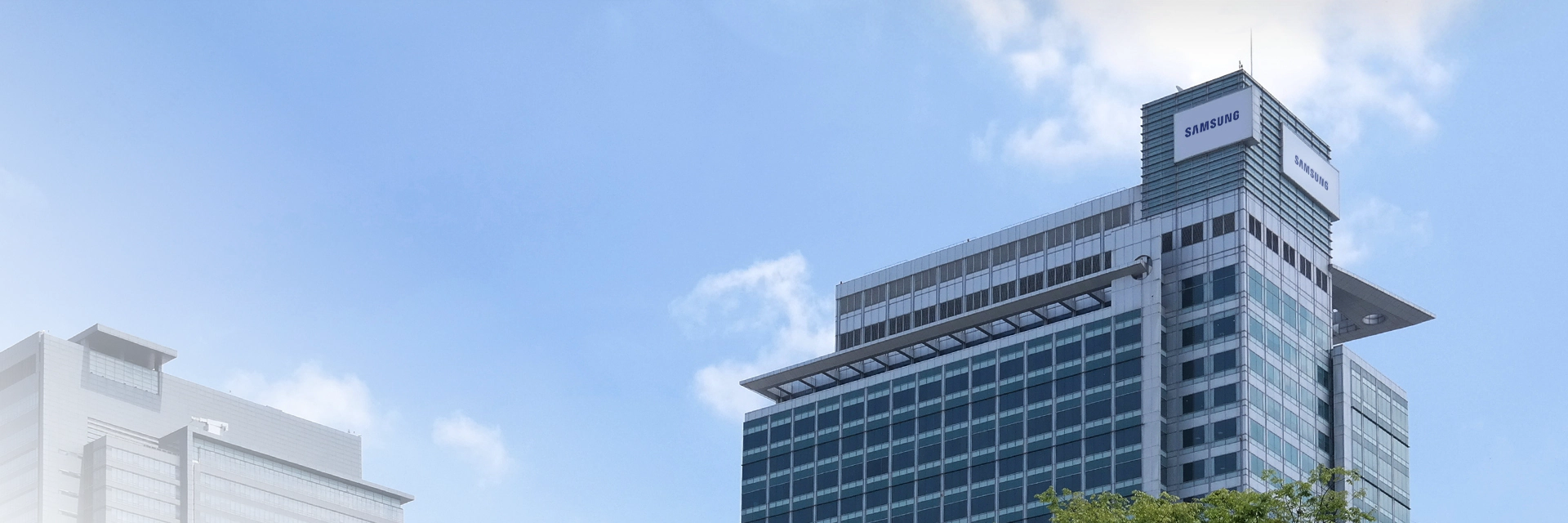
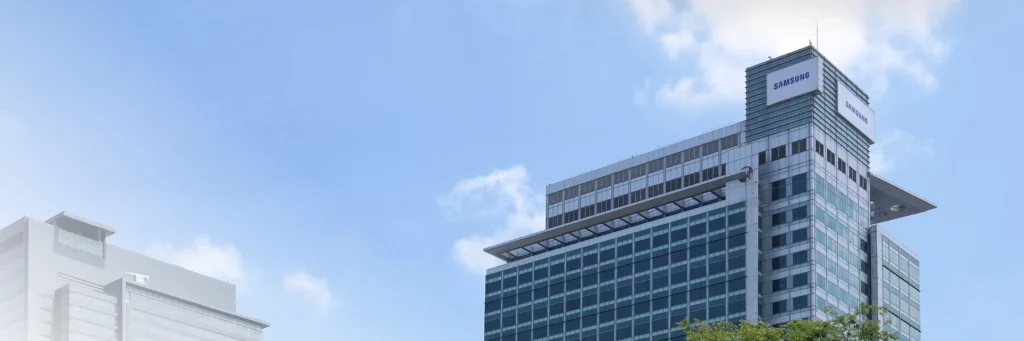
Samsung is opening its fall recruitment drive as the South Korean business group continues investing in semiconductors, artificial intelligence, biotechnology, batteries and displays, using a 70 year old hiring system to keep a steady pipeline of workers for industries where skilled talent can be as important as factories and equipment.
The announcement is more than a routine hiring story. Samsung Electronics, the group’s flagship technology company and one of the world’s largest semiconductor manufacturers, is competing in markets being reshaped by AI and advanced computing. Building new production capacity and developing more sophisticated technology requires engineers, software specialists and other technical workers who cannot be created overnight.
That helps explain why Samsung continues to recruit young workers even after seven decades and why it also trains software and AI talent outside its regular hiring process. The group is effectively investing in human capital alongside its spending on chips, biotechnology and other advanced industries, giving it a pool of workers that can support new technologies as those businesses expand.
A total of 19 Samsung affiliates are participating in the fall recruitment round. They include Samsung Electronics, Samsung Biologics, a South Korean contract drug manufacturer, Samsung Bioepis, a biosimilar developer, battery maker Samsung SDI, display producer Samsung Display, electronic components manufacturer Samsung Electro Mechanics, IT services company Samsung SDS and Samsung Heavy Industries, one of South Korea’s major shipbuilders.
Other participating companies span construction, finance, hospitality, advertising, security and healthcare, reflecting the breadth of Samsung’s businesses beyond consumer electronics and semiconductors.
Applications will be accepted through Samsung Careers from Sept. 8 through Sept. 15. Candidates will undergo a job suitability assessment in September, followed by the Global Samsung Aptitude Test in October and interviews in November.
Software applicants will take a practical software competency test instead of the GSAT, while design candidates will be evaluated through portfolio reviews.
Samsung introduced South Korea’s first companywide open recruitment system for entry level employees in 1957 and has maintained the program for 70 years. It is now the only one of the country’s four largest business groups that continues to use such a system.
The company has also expanded access to its recruitment process over time. Samsung introduced hiring specifically for female college graduates in 1993 and removed academic background requirements from its eligibility criteria in 1995.
Samsung has linked continued hiring to its investment in semiconductors, AI, biotechnology, batteries and displays. Samsung Electronics Chairman Lee Jae yong said last year that the group would continue investing in businesses capable of creating quality jobs and developing higher value industries.
The group is also trying to build technical skills before workers enter Samsung itself. Its Samsung Software and AI Academy for Youth, known as SSAFY, provides free software and AI training at campuses in Seoul, Daejeon, Gwangju, Gumi and Busan.
Since 2019, more than 9,400 graduates of the program have found jobs at roughly 2,600 companies in South Korea and overseas, according to Samsung.
For a company investing heavily in industries that depend on engineering and software expertise, maintaining a reliable supply of trained workers is becoming part of the competitive equation. Samsung’s 70 year recruitment tradition now serves that broader purpose, supplying human capital for businesses that will determine how the group competes in the next generation of technology.