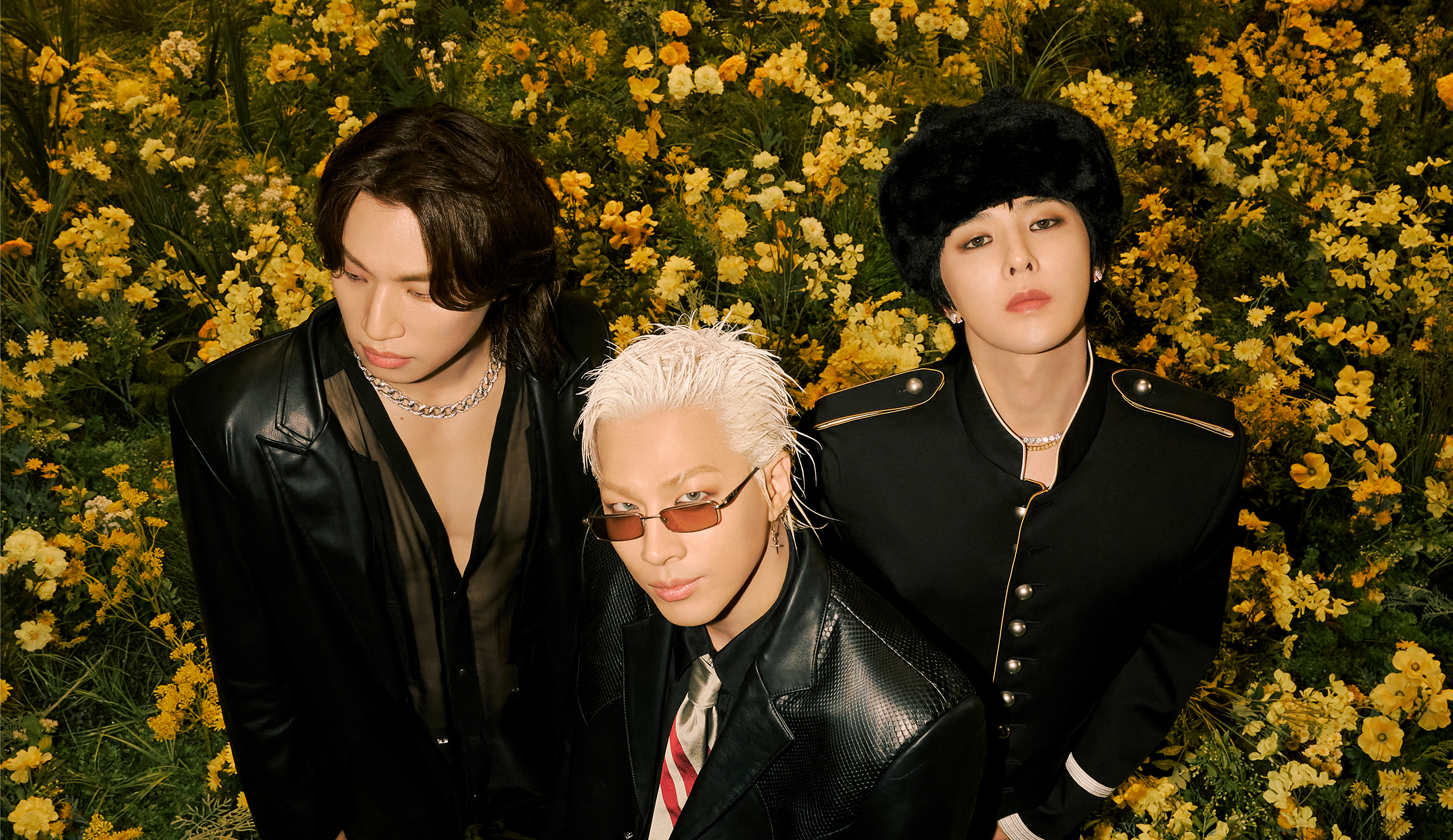
For U.S. music companies and investors, BIGBANG’s return offers a test of whether established K-pop acts can turn decades-old hits and loyal global fandoms into a new cycle of stadium-scale revenue. The group opened its 20th-anniversary world tour on Aug. 21, returning to the stage for the first time in nine years and showing how the K-pop business is increasingly monetizing established catalogs alongside new artists.
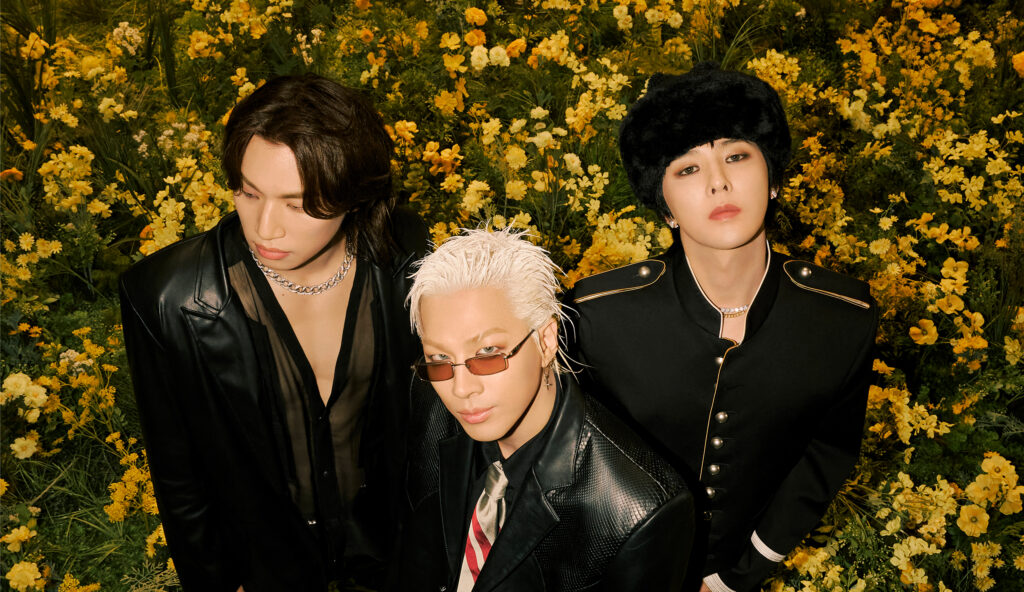
G-Dragon, Taeyang and Daesung performed as a trio at Goyang Stadium from Aug. 21 through Aug. 23 for “BIGBANG 2026-2027 WORLD TOUR ‘XX : COSMOS’ IN GOYANG,” marking the group’s first solo concert under the BIGBANG name since 2017.
The Aug. 23 finale began at 7 p.m., with the opening notes of “FANTASTIC BABY” triggering a roar from the stadium. The members appeared in coordinated white outfits before launching into “HANDS UP” and “TONIGHT.”
Fans sang along throughout the show, repeatedly chanting the group’s name as G-Dragon welcomed them back.
“BIGBANG is back,” G-Dragon told the crowd, asking fans how they had been. Taeyang called the Aug. 23 performance the final night in Goyang and urged fans to enjoy the show with all their energy, at times handing his microphone to the audience to drive the singalong.
The trio performed a series of BIGBANG hits, including “BLUE,” “LOSER” and “IF YOU.” Many of the songs were released more than a decade ago, yet fans continued to sing along, highlighting the lasting value of the group’s catalog.
The concert also marked the 20th anniversary of BIGBANG’s debut.
“This is the world tour celebrating BIGBANG’s 20th anniversary,” G-Dragon said. “It started in 2006, and now we have arrived in 2026. A heartfelt welcome to everyone who came to the concert.”
Daesung joked about his two decades of asking audiences to “make some noise” and described himself as the group’s “singing guy” before promising fans the full “COSMOS” experience.
Taeyang said he was happy to meet fans with a new look and new stage for the anniversary, then called on the audience to raise the energy even further.
The Goyang shows are the first dates on a global tour scheduled to visit 19 cities across North America, Europe, Oceania and Asia, with 33 performances planned in total.
The scale of the tour reflects a broader shift in the economics of K-pop. As the genre has become a global entertainment business, companies are increasingly looking beyond album sales and streaming to monetize fandom through stadium concerts, merchandise, licensing and other live-event revenue.
Veteran acts can be particularly valuable in that model. Unlike newer artists, established groups already have large catalogs, years of brand recognition and fan communities that can be reactivated around anniversary events.
BIGBANG’s nine-year absence also creates an element of scarcity. The return transforms a concert into a reunion event, while streaming platforms and social media give younger listeners access to songs originally released long before they became fans.
For U.S. entertainment companies, the group’s planned North American dates could provide another indication of whether veteran K-pop acts can sustain stadium-level demand outside Asia. The results could influence how agencies and investors value older catalogs and plan anniversary tours for other established acts.
BIGBANG’s return therefore represents more than a nostalgic reunion. It is a live test of whether the first generation of globally recognized K-pop stars can extend their commercial life—and whether their accumulated cultural capital can become a recurring global entertainment asset.
The group’s next challenge will be taking that momentum beyond South Korea, as the “COSMOS” tour moves across 19 cities worldwide. For BIGBANG, the question is whether longtime fans will return in large numbers. For the broader K-pop industry, the bigger question is whether veteran acts can turn two decades of fandom into the next generation of global touring franchises.