A recovery in battery-factory utilization could offer a modest sign of stabilization for U.S. automakers and investors after a sharp slowdown in electric-vehicle demand forced manufacturers to idle plants and rethink where battery capacity should be deployed.
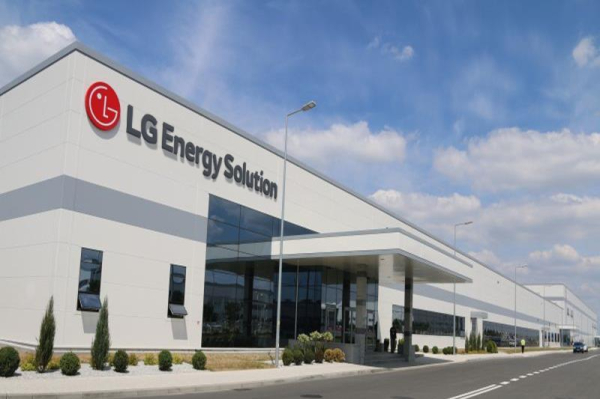
LG Energy Solution’s average utilization rate across its global production facilities rose to 52.8% in the first half of 2026, up from 47.6% for all of 2025, according to a semiannual report disclosed August 13. The increase comes as battery makers shift some production toward energy-storage systems, or ESS, while preparing for a potential recovery in EV demand.
The improvement is significant because LG Energy Solution’s utilization rate had fallen for four consecutive years, from 73.6% in 2022 to 69.3% in 2023, 57.8% in 2024 and 47.6% in 2025. For U.S. investors, the trend offers a gauge of whether the battery industry is moving past a period of excess capacity and weak EV sales.
LG Energy Solution reported production capacity of about $20 billion across its domestic and overseas facilities during the first half. The company is converting some manufacturing lines to produce batteries for ESS, a market benefiting from rising electricity demand, renewable-energy deployment and the need for grid-scale backup power.
The shift could be particularly relevant for U.S. battery manufacturers and automakers. Demand for EV batteries has been more volatile than expected, while utilities and data-center operators are seeking additional storage capacity to support increasingly power-intensive grids.
A joint venture between LG Energy Solution and General Motors is scheduled to restart a battery plant in Ohio next week, roughly seven months after suspending operations amid the EV demand slowdown. The facility is operated by Ultium Cells, the companies’ battery-manufacturing joint venture.
The restart will provide another test of whether U.S. battery production can achieve higher utilization as automakers adjust production plans and consumer demand for EVs evolves.
LG Energy Solution is also maintaining heavy investment in battery technology despite the utilization pressures. Research and development spending reached about $520 million in the first half, the highest first-half figure in the company’s history, and represented 5.1% of revenue.
The spending reflects the industry’s broader shift from simply adding battery capacity to improving chemistry, manufacturing efficiency and product flexibility. Manufacturers that can redirect plants between EV and ESS applications could be better positioned to absorb swings in demand.
LG Energy Solution Chief Executive Kim Dong-myung received about $580,000 in compensation during the first half.
The company’s rising utilization rate is therefore an encouraging but still early signal. For investors, the more important question is whether higher factory use can be sustained as battery makers rebalance capacity between EVs and ESS and as U.S. automakers navigate a slower, more selective EV market.