Residents of central Seoul are opposing the South Korean government’s consideration of housing construction on part of Yongsan Children’s Garden, arguing that land returned by the U.S. military should remain part of a long planned national park.
About 1,000 residents organized under the Yongsan Park Preservation Residents’ Group began placing roughly 300 condolence wreaths near the garden on Aug. 8. Residents paid for the wreaths themselves and planned to issue a public statement demanding that the government preserve the site according to the original park plan.
Condolence wreaths in South Korea are traditionally sent to funeral halls to mourn the dead and offer sympathy to bereaved families. Protesters have also adopted them as a way to express strong opposition to government policies, corporate decisions and development projects. In this case, residents used the wreaths to protest what they see as a threat to the future of Yongsan Park.
The messages focused on preserving the land rather than treating it as an unused development site. One said the park was not empty land but part of the future being left to children. Another described Yongsan Children’s Garden as a national asset that should be protected rather than developed. Others urged the government to build housing elsewhere and preserve the park for future generations.
The residents had initially considered beginning the protest on Aug. 10 or Aug. 11 but moved it forward after internal discussions. Organizers said they chose the weekend so more visitors and pedestrians would see the wreaths.
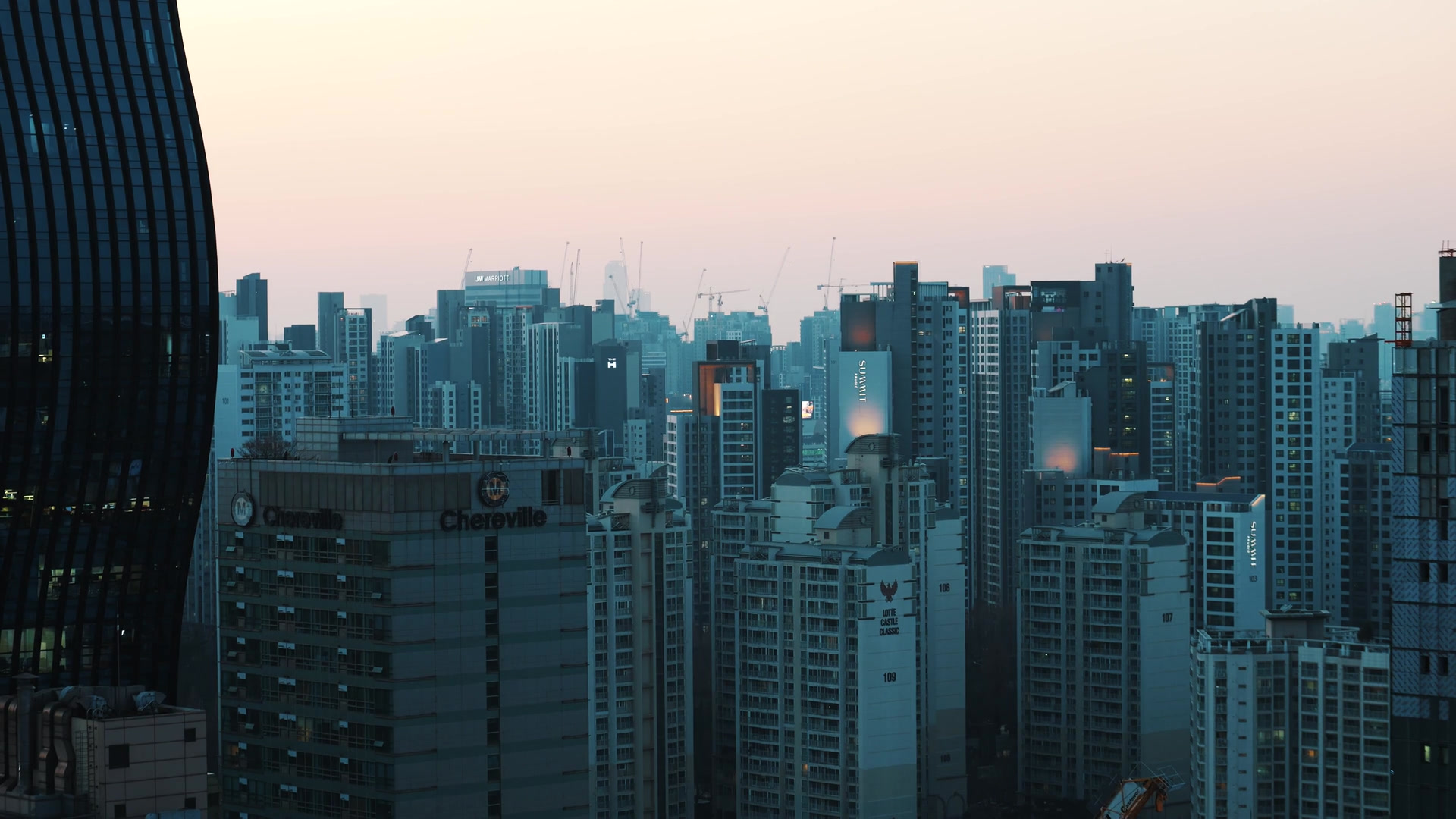
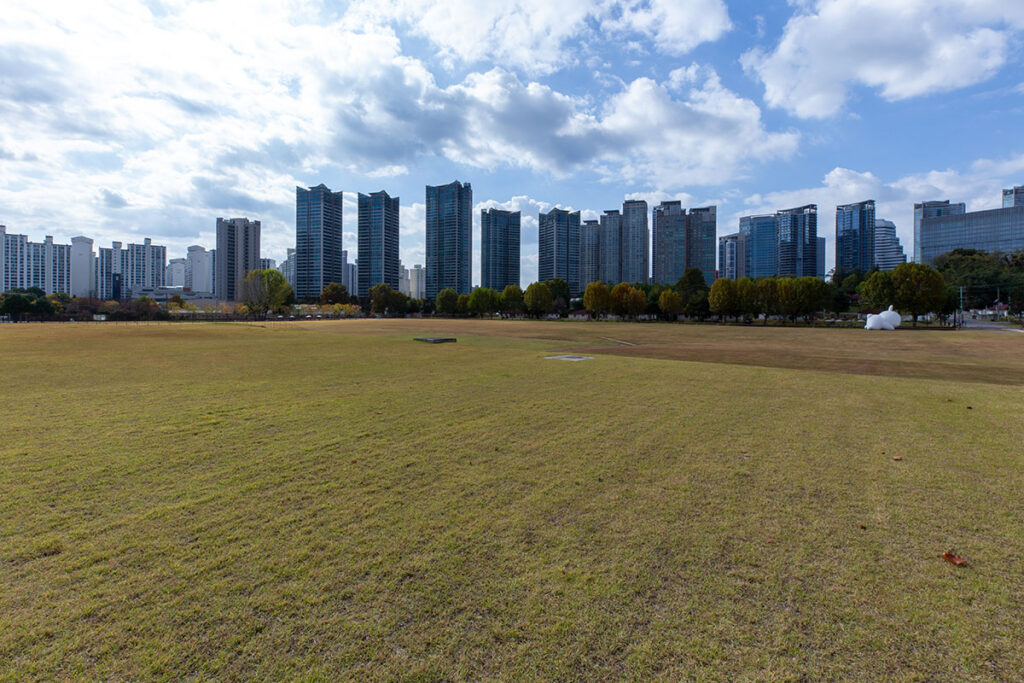
The dispute centers on a rare stretch of public land in the heart of Seoul. The government is reviewing whether part of Yongsan Children’s Garden could be used for rental housing and other residential development as it searches for ways to increase the capital’s housing supply. Nearby residents say the project could damage their living environment, reduce surrounding property values and weaken the commitment to create a national park on the former military site.
The residents’ group began organizing as the government also considered increasing the number of homes planned for the nearby Yongsan International Business District, a large redevelopment project in central Seoul. The group previously installed about 100 wreaths to oppose an expansion of housing in that project.
Yongsan Children’s Garden occupies about 75 acres of the roughly 740 acre former Yongsan Garrison site returned by the U.S. military. The garden has been temporarily open to the public since 2023.
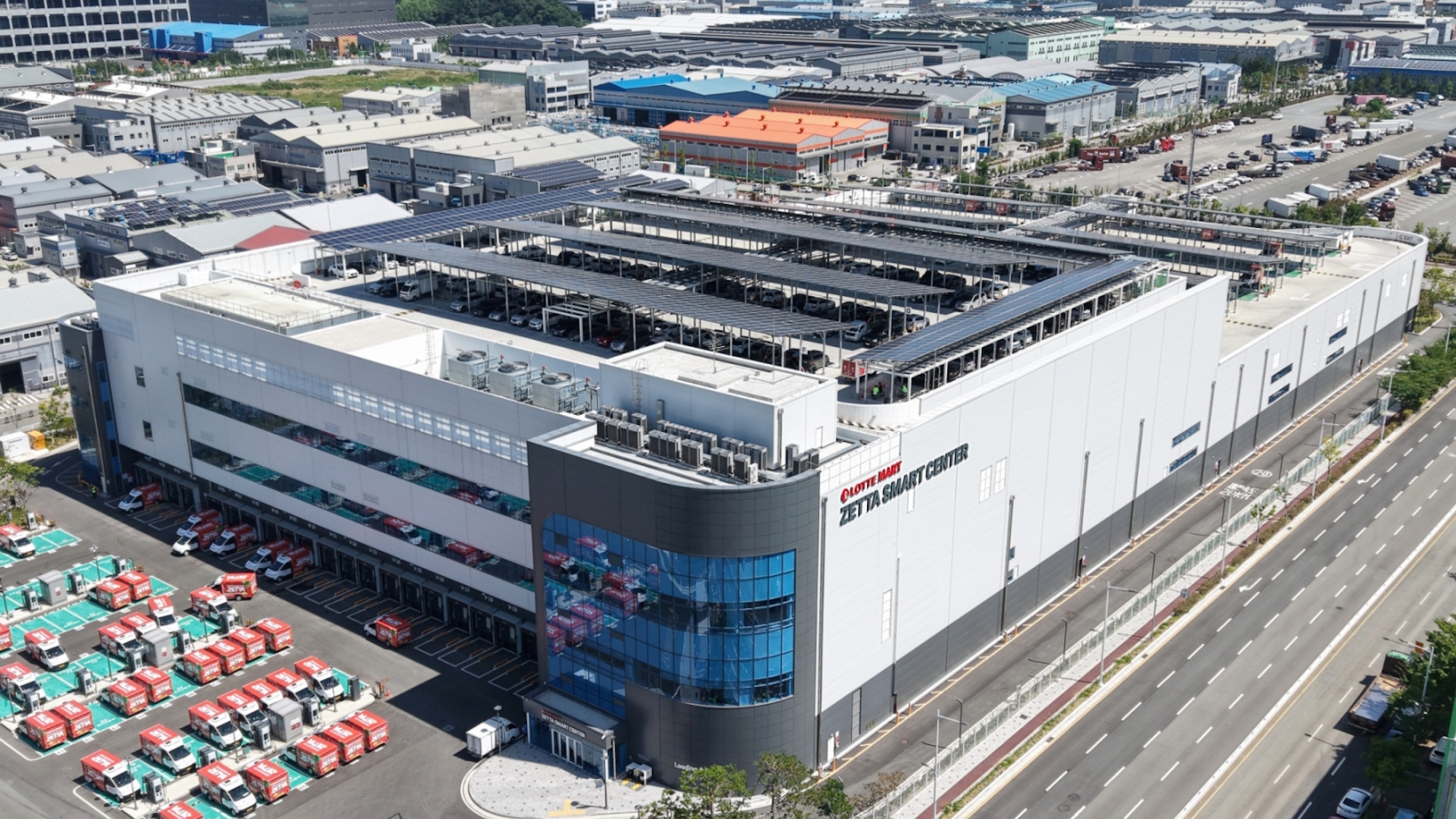
South Korea’s Ministry of Land, Infrastructure and Transport, the government agency responsible for housing and national land policy, oversees the broader Yongsan Park project. The Korea Land and Housing Corporation, commonly known as LH, operates the garden. LH is a state owned developer responsible for public housing and land development in South Korea.
The government’s review reportedly followed the removal last month of about 33 acres around the garden from a restricted military protection zone outside the boundary of the Ministry of National Defense. Officials are examining how much of the land could be used, how densely housing could be built and how much of the existing park could remain.
No final housing plan has been announced. Any development would also face legal and environmental barriers.
Under South Korea’s Special Act on the Creation of Yongsan Park, land returned by the U.S. military is to be developed as a national park and cannot be converted or disposed of for another purpose. Building public housing would require lawmakers to create an exception or remove the proposed development area from the designated park zone.
The former military site would also require soil contamination surveys and cleanup before housing construction could proceed.
Seoul Mayor Oh Sehoon has publicly opposed using the garden for housing. Speaking at a public debate on housing policy at Seoul City Hall on Aug. 6, Oh said the national government and the city had a responsibility to preserve Yongsan Park and pass it on to future generations. He said even part of the site should not be converted for residential use.
The government’s review has placed two competing priorities at the center of the debate. Seoul needs more housing, but large public green spaces are scarce in one of the world’s most densely developed capitals. Residents argue that the former U.S. military land was set aside for a national park and should not become another answer to the city’s housing shortage.