
South Korea’s stock market is facing a major test after one of the world’s strongest AI-driven rallies reversed sharply, raising questions over whether investor enthusiasm for artificial intelligence has moved ahead of actual corporate growth.
The KOSPI, South Korea’s benchmark stock index, surged 267% from April 2025 through June 2026, climbing from 2,487 points to a record 9,115 points. Much of that rally was fueled by expectations that South Korean semiconductor companies would benefit from the global expansion of AI infrastructure.
The momentum has since weakened. The KOSPI fell 37.9% from its peak within just 37 days, dropping to 5,663 points and erasing 52% of its previous gains. The speed of the decline has drawn attention from investors because South Korea’s market has become closely tied to the global AI investment cycle.
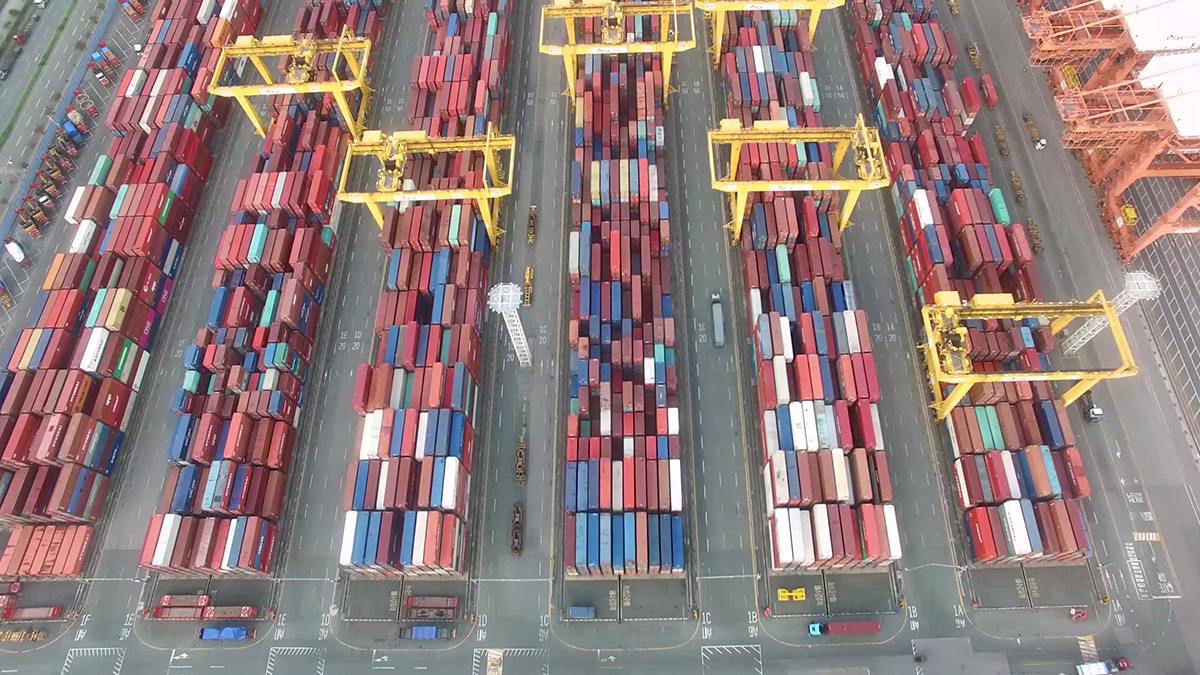
South Korea plays a central role in the AI hardware supply chain. Samsung Electronics, one of the world’s largest technology companies and a major producer of semiconductors, and SK hynix, a leading memory chip manufacturer that supplies high-bandwidth memory used in advanced AI systems, have emerged as key beneficiaries of rising demand for AI computing infrastructure.
The recent selloff has not been driven only by concerns over stock prices. Investors are also reassessing whether the expectations surrounding AI-related spending and semiconductor demand have become too optimistic.
Shinyoung Securities, a South Korean brokerage firm that provides market research and investment analysis, said the current decline may be approaching levels where previous large market corrections have historically stabilized. The firm analyzed 383 cases of stock market declines of more than 20% across 23 countries since 1949 and found that markets that had risen more than 200% before a downturn typically gave back about half of their previous gains.
Among 34 comparable cases involving markets that more than doubled before a correction, the median retracement ratio was 51%, similar to the KOSPI’s current 52%. However, the KOSPI’s decline has been deeper than the historical average, with the index falling nearly 38% from its peak compared with a median decline of 33% in comparable cases.
The pace of the decline has also been unusual. Historically, markets that more than doubled took an average of 398 days to reach their peak and 74 days to complete their declines. The KOSPI erased more than a year of gains in only 37 days, placing its recent drop among the fastest corrections recorded in similar cases.
Another factor attracting attention is South Korea’s large retail investor base. Individual investors have become a powerful force in the country’s stock market, with many using leveraged exchange-traded products to increase exposure to major stocks, particularly semiconductor companies. As market volatility increased, concerns grew that leveraged investments could amplify losses during sharp declines.
The key question for investors is whether the correction represents a normal adjustment after an excessive rally or whether it signals a deeper problem with the AI growth narrative.
Previous market history shows that a 50% retracement does not always mark the bottom. Hong Kong’s Hang Seng Tech Index, for example, erased more than all of its previous gains after a major rally as regulatory pressure on technology companies, geopolitical tensions and concerns over China’s property market weakened corporate earnings expectations.
“The market tends to stabilize around a 50% retracement level when the fundamental reasons behind the previous rally remain intact,” said Kim Hyo-jin, a researcher at Shinyoung Securities. “Investors need to determine whether concerns over AI investment, leveraged products and U.S. interest rates are temporary pressures or whether they threaten the foundation of the market’s growth story.”
For investors watching the global AI boom, South Korea’s market decline represents more than a local stock correction. It has become a test of whether the massive investment cycle surrounding artificial intelligence can continue to support the companies that supply the technology behind it.