For global automakers and investors, Honda’s retreat from South Korea highlights a broader challenge in the auto industry: When a brand exits a market, steep discounts may clear inventory, but concerns over service, resale values and parts availability can make consumers reluctant to buy even at sharply reduced prices.
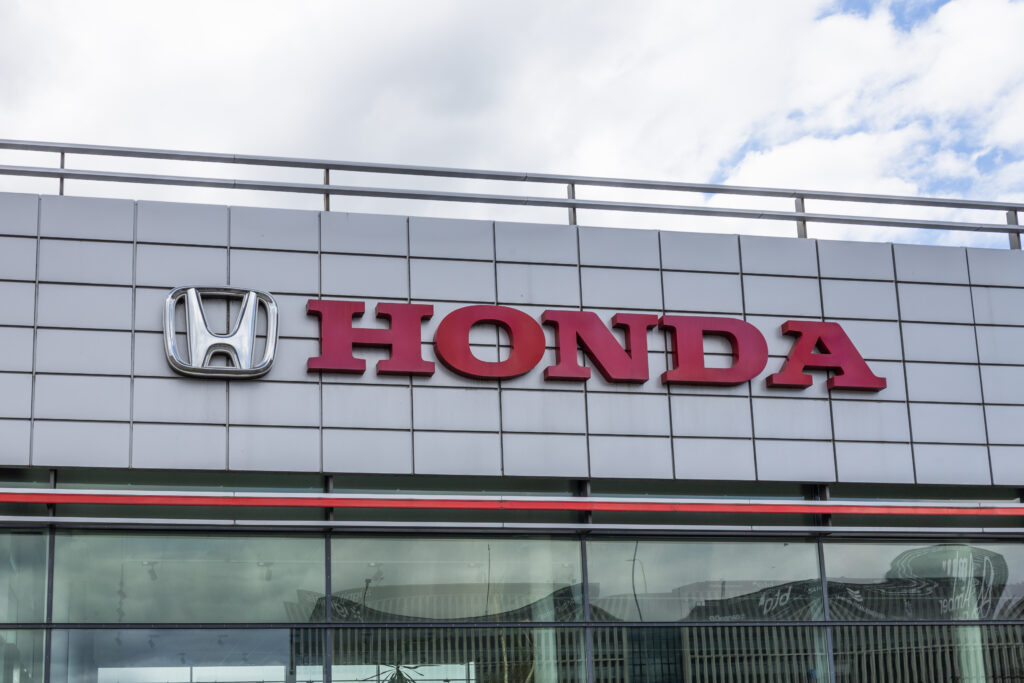
Honda has extended a limited promotion offering discounts of as much as $4,100 on 100 vehicles after selling only about one-third of the allocation last month, according to data released September 18 by the Korea Automobile Importers and Distributors Association.
Honda sold just 33 vehicles in August, including 11 Accord sedans, 20 CR-V SUVs and two Pilot SUVs. While that was up from a record-low 11 vehicles in July, the company sold only 33% of the vehicles included in its promotional inventory.
The promotion is expected to continue until the 100 vehicles are sold.
Honda plans to stop selling new vehicles in South Korea at the end of this year, although it will continue its motorcycle business. The company has said it will provide after-sales service for eight years after ending new-vehicle sales, in accordance with South Korean regulations.
That promise has done little to eliminate concerns among potential buyers. Consumers worry that parts could become harder to obtain, extending repair times, while declining business could eventually force some service centers to close. There are also concerns that experienced technicians could move to other automakers.
For investors and automakers evaluating market exits, the situation illustrates how an operational wind-down can affect more than new-vehicle sales. Service networks, parts distribution and residual values can become critical factors in determining how much inventory a departing brand can sell without resorting to increasingly aggressive discounts.
Honda is also facing a tougher competitive environment for its core hybrid vehicles. Japanese automakers once benefited from strong consumer demand for hybrids in South Korea, but Hyundai Motor and Kia have expanded hybrid offerings across vehicle segments and strengthened their technology.
Meanwhile, some environmentally conscious consumers are shifting toward battery-electric vehicles, including Tesla models, further challenging automakers that rely heavily on hybrid lineups.
Heavy discounts can create another problem by putting pressure on used-car prices. When new vehicles are sold at substantially lower prices, existing vehicles of the same model can lose value, potentially discouraging current owners from holding on to them and prospective buyers from purchasing new ones.
A similar dynamic emerged when Nissan and Infiniti left the South Korean market. After the brands introduced deep discounts to clear remaining inventory, inquiries from existing owners seeking to sell their vehicles reportedly rose twofold to threefold amid concerns about falling resale values.
Nissan, for example, cut the price of the Altima from about $20,900 to $13,900 and the Maxima from about $32,400 to $23,300 during its inventory-clearance campaign.
“Because a vehicle requires ongoing maintenance and service after purchase, consumers naturally face a high psychological barrier to buying from a brand that is preparing to leave the market,” an industry official said.
Honda’s experience shows the limits of price cuts when a brand’s long-term presence is in question. For consumers, the calculation extends beyond the purchase price to maintenance and resale value. For automakers, the case underscores the difficulty of balancing inventory clearance with the need to preserve confidence in a brand until the final vehicle is sold.