On June 22, Starbucks will dim its lights across South Korea at 3 p.m., marking the first nationwide early closure since the brand’s local debut in 1999. The shutdown is not due to operational issues, but rather a mandatory, companywide training session on modern history and social sensitivity for thousands of employees and corporate executives.
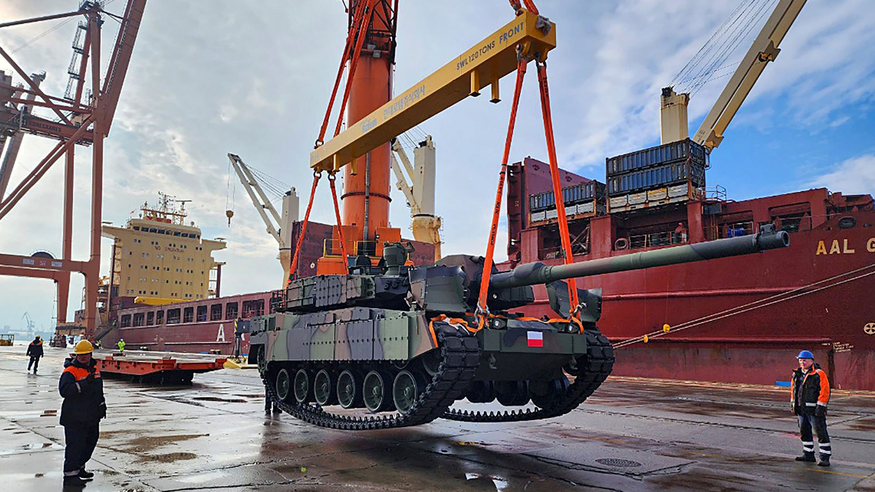
This drastic measure follows a wave of public outrage over a controversial May marketing campaign called “Tank Day,” which prompted a rare public apology from Shinsegae Group Chairman Chung Yong-jin.
While Starbucks Korea frames the initiative as a bold step toward accountability, corporate governance experts question whether a one-off educational program can truly remedy a structural failure in corporate oversight.
The controversy highlighted a glaring blind spot within the company’s risk management. For a prominent global brand operating in a highly connected, socially sensitive market, the fact that a tone-deaf campaign bypassed internal gatekeepers suggests a deeper systemic flaw rather than a simple lack of historical knowledge among frontline staff.
In response, Starbucks Korea announced an overhaul of its marketing pipeline, introducing a comprehensive “social-sensitivity checklist” developed with outside experts to vet future content for political, historical, and gender-related sensitivities.
The company is also extending its internal review periods and requiring multi-department approvals from legal, quality management, and marketing teams before any campaign goes public.
Despite these operational adjustments and additional plans to expand corporate social responsibility programs, skeptics remain unconvinced that a single day of lectures will fundamentally alter deep-seated corporate habits.
In an era where consumer backlashes amplify rapidly online, a corporation’s resilience is increasingly judged not by its reactive damage control, but by its proactive systems of prevention.
Until risk assessment becomes a permanent fixture within senior leadership’s decision-making culture, temporary closures and external checklists may serve as little more than an expensive, temporary patch on a more profound institutional vulnerability.