
South Korean investors are moving money out of cryptocurrencies and back into the stock market, marking one of the country’s most significant shifts in retail investment sentiment since the digital-asset boom that followed the U.S. presidential election last year.
The rotation reflects more than changing market preferences.
It suggests that investors increasingly see South Korea’s equity market—particularly semiconductor shares—as offering stronger returns than the highly volatile cryptocurrency market that once dominated retail trading.
Trading volumes illustrate the magnitude of the shift.
Average daily trading at South Korea’s five largest cryptocurrency exchanges fell to about $430 million between July 1 and July 21, equivalent to just 1.6% of turnover on the Korea Stock Exchange. Earlier this year, cryptocurrency trading accounted for more than 12% of stock-market activity, highlighting how rapidly investor attention has shifted.
The decline represents one of the weakest periods for South Korea’s digital-asset market in several years.
Instead of chasing speculative token rallies, retail investors are increasingly directing capital toward companies benefiting from the global artificial-intelligence boom. Semiconductor manufacturers, AI-related technology firms and other large-cap stocks have attracted fresh buying as expectations grow that AI investment will continue supporting corporate earnings.
The rotation has been particularly evident among individual investors.
South Korea has long been regarded as one of the world’s most active cryptocurrency markets, where retail traders frequently embraced high-risk digital assets. Today, many of those same investors are returning to traditional equities, encouraged by stronger earnings prospects and improving confidence in listed companies.
Semiconductor stocks have become the biggest beneficiaries.
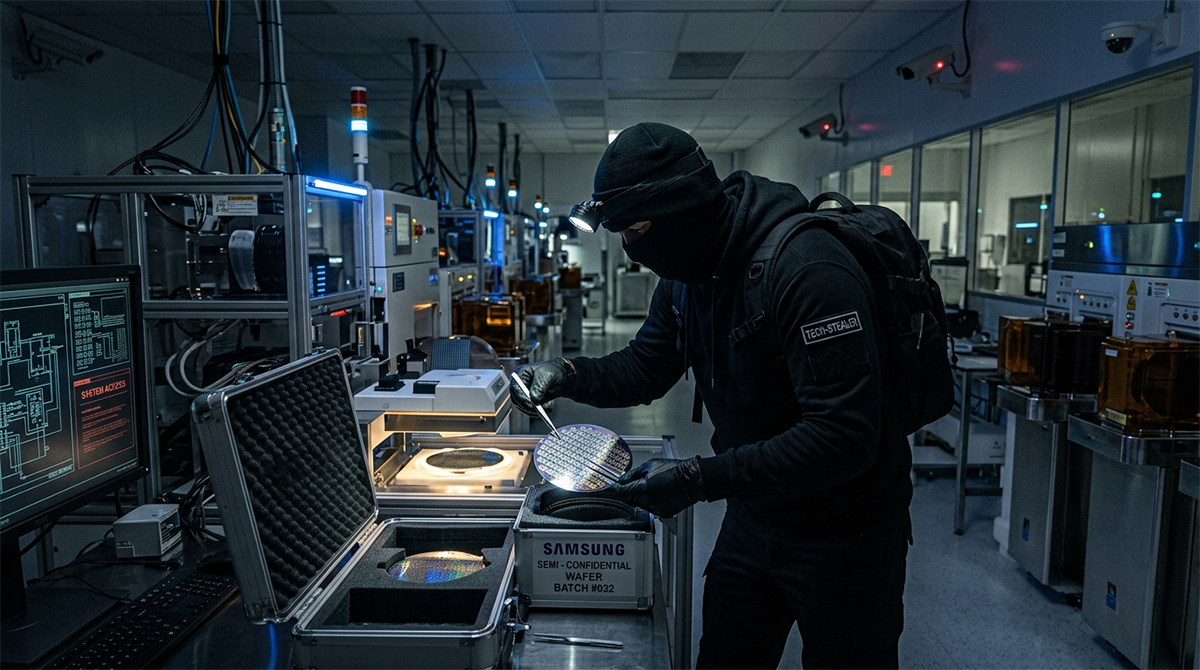
Rising demand for high-bandwidth memory, expanding investment in AI infrastructure and improving profitability at companies such as Samsung Electronics and SK hynix have helped transform the domestic stock market into one of Asia’s strongest performers this year. For many investors, the prospect of participating in the AI boom through listed technology companies now appears more attractive than betting on cryptocurrencies.
The shift also exposes structural weaknesses in South Korea’s cryptocurrency market.
Unlike major global exchanges that offer futures, options, leveraged products and tokenized assets, domestic platforms remain largely confined to spot trading. As sophisticated investors seek broader investment strategies, an increasing share of trading activity has migrated to overseas exchanges, leaving domestic platforms with shrinking liquidity.
At the same time, local cryptocurrency trading remains heavily concentrated in alternative digital tokens rather than Bitcoin.
While Bitcoin and Ether account for the majority of trading on major global exchanges, South Korean investors have historically favored smaller, more speculative cryptocurrencies. That structure tends to amplify declines when market sentiment weakens, accelerating the withdrawal of retail capital.
The latest money movement therefore reflects more than a temporary decline in cryptocurrency prices.
It represents a broader reassessment of where investors believe sustainable returns are most likely to emerge. Instead of pursuing speculative digital assets, many Korean investors are choosing businesses supported by tangible earnings growth, AI-driven demand and improving corporate fundamentals.
For policymakers, the trend carries an additional benefit.
Capital flowing into productive companies rather than highly speculative assets is generally viewed as more supportive of long-term economic growth. As South Korea seeks to strengthen its technology sector and expand investment in semiconductors, the migration of household wealth into equities could provide additional support for corporate financing and market stability.
Whether cryptocurrencies regain their appeal will depend largely on global digital-asset prices and future regulatory changes.
For now, however, South Korea’s investment landscape is being defined by a different story.
The country’s retail investors are no longer chasing the next crypto rally.
They are chasing the next semiconductor breakthrough.